

California’s Weather Outlook: Drought Concerns Loom as Precipitation Tapers Off
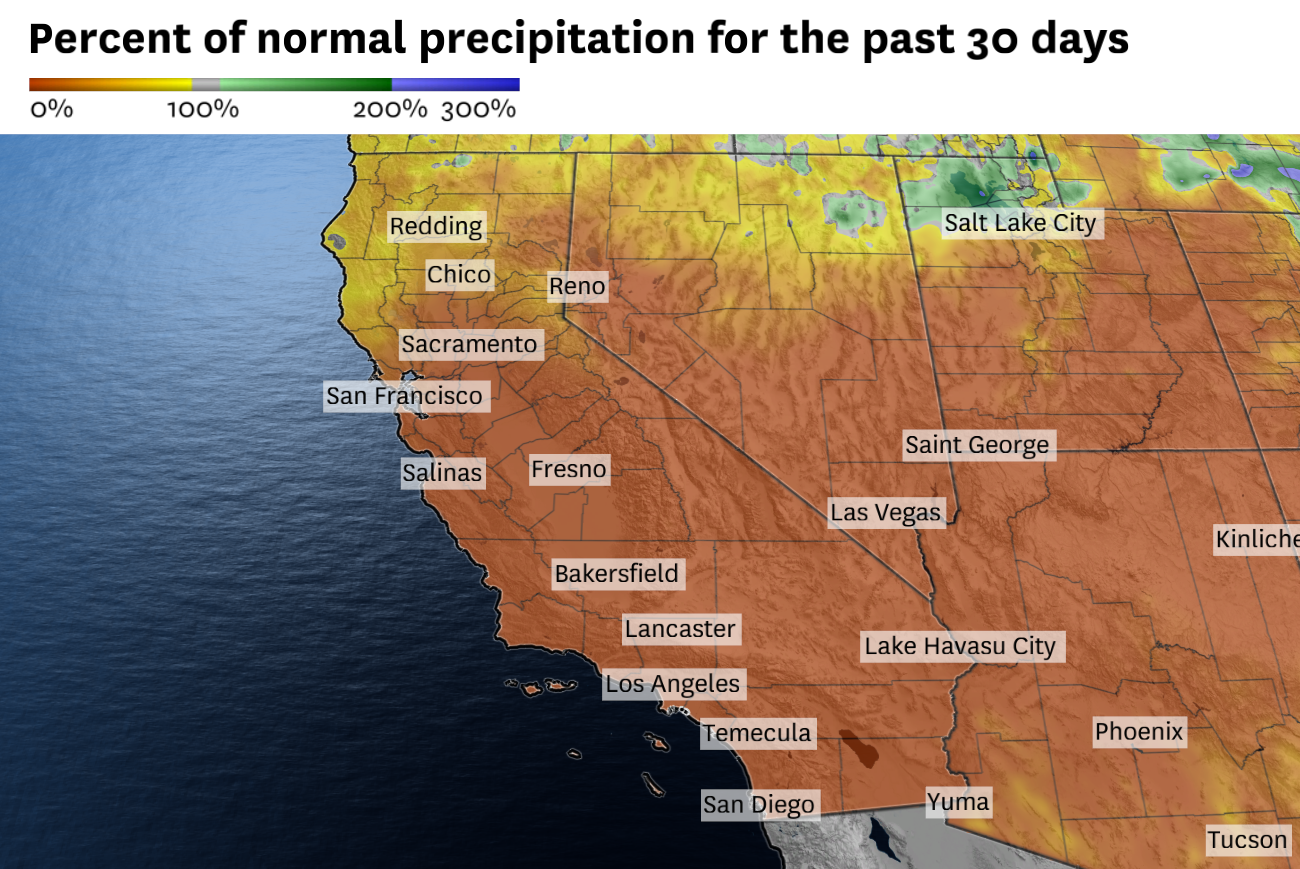
California is experiencing a significant shift in its weather patterns as it enters spring. With little to no precipitation recorded in Central and Southern California since late February, there are rising concerns about drought conditions returning this summer.
Current Weather Conditions
As we near the end of March, California’s wet season hangs in the balance. The state has seen almost no rainfall this month, resulting in rapid melting of the mountain snowpack. This not only raises concern for potential drought but also affects water supplies crucial for agriculture and ecosystems.
Dwindling Precipitation
Meteorologists highlight that while the wet season isn’t completely over, forecasts predict the next opportunity for precipitation will occur as March closes. Current weather models suggest that a shift in the high-pressure system dominating the Western U.S. may facilitate better rain prospects going into early April.
Looking Ahead: Possible Rain Forecast
There is cautious optimism among weather experts as they anticipate a storm window where widespread rain and potential snow might arrive shortly. However, it’s essential to note that certainty regarding precipitation amounts remains elusive. The upcoming week could see moisture moving towards California with the possibility of rain along the coast from the Oregon border down to Mexico, impacting major cities like San Francisco, Sacramento, and Los Angeles.
High-Pressure System’s Impact
Persistent high-pressure systems have dominated the weather in recent weeks, leading to elevated temperatures across Central and Southern California, threatening to break temperature records. But as this system is expected to shift eastward by Sunday, it will replace dry conditions with a more humid, monsoon-like atmosphere, primarily affecting regions south of California.
Potential for Snow and Rain
As the weather shifts, eastern Pacific storms could invigorate the atmosphere, ushering in rain and snow as April begins. Forecast models indicate that the snow levels might drop as Arctic air mixes with incoming storm systems. While it’s difficult to make accurate predictions this far out, the promise of precipitation offers a sliver of hope for replenishing water reserves.
Statistically Improbable Spring Recovery
Experts like Daniel Swain of UC Agriculture and Natural Resources are cautious about the severity of precipitation recovery, emphasizing that even if storms do bring significant moisture, the overall snowpack is anticipated to remain well below average as California transitions into summer.
Analysis of Spring Weather Patterns
The California Climate Prediction Center outlines that while the window for rain may last five to seven days, drier weather is forecasted to follow shortly after. Springtime precipitation typically pales in comparison to the heavier amounts seen from October to March.
Importance of Monitoring Conditions
With forecasts pointing toward slight rain chances, any amount of precipitation will be welcomed, especially as the rainy season reaches its conclusion. State officials are keen to monitor these developments closely, acknowledging the necessity for rain in the region.
Regional Weather Breakdown for Tuesday
San Francisco
Temperatures are expected to reach the upper 70s in certain neighborhoods, with cooler conditions around Twin Peaks. A light breeze will be present, and fog may form overnight.
North Bay
Sunny skies will dominate, with temperatures climbing into the low 80s in areas like Santa Rosa, Napa, and Vallejo. However, coastal regions will experience milder conditions, remaining in the 60s.
East Bay
A sunny and warm day is on the horizon, with many locations reaching the mid-80s while areas near the coast enjoy slightly cooler temperatures.
Coastal Areas
The Pacific Coast will see pleasant weather, with highs in the low 60s at the beaches and warmer temperatures inland, along with a chance of evening fog.
San Jose and Surrounding Areas
The South Bay is predicted to flirt with 80 degrees as well, with warmer temperatures persisting inland.
Conclusion
As California navigates through an uncertain weather cycle, the potential return of drought conditions is a pressing concern. Continuous monitoring of weather patterns and precipitation forecasts will be crucial in the coming weeks to mitigate the impacts of water shortages this summer.
For more on California’s weather forecasts and climate insights, check here for detailed updates.
