

Addressing Academic Gaps and Educator Shortages in California Schools
California’s education system is currently grappling with significant academic challenges, marked by persistent learning gaps and a fragile educator workforce. Recent reports indicate alarming statistics: around 50% of students are performing below state standards in reading, while over 60% fall short in mathematics, as stated by assessments from the California Department of Education (CDE). Compounding these issues is a high level of chronic absenteeism, which, despite improvements from the pandemic peak, remains above pre-2020 figures in numerous districts.
The Fiscal Challenge
The expiration of federal relief funds that previously supported tutoring and student initiatives leaves districts in a tight financial spot. Education leaders must now work to advance academic recovery amid budget constraints, raising an essential question: How can sustained support for students be achieved without overwhelming teachers and diminishing resources?
Innovative Solutions: California Student Success Coach Learning Network
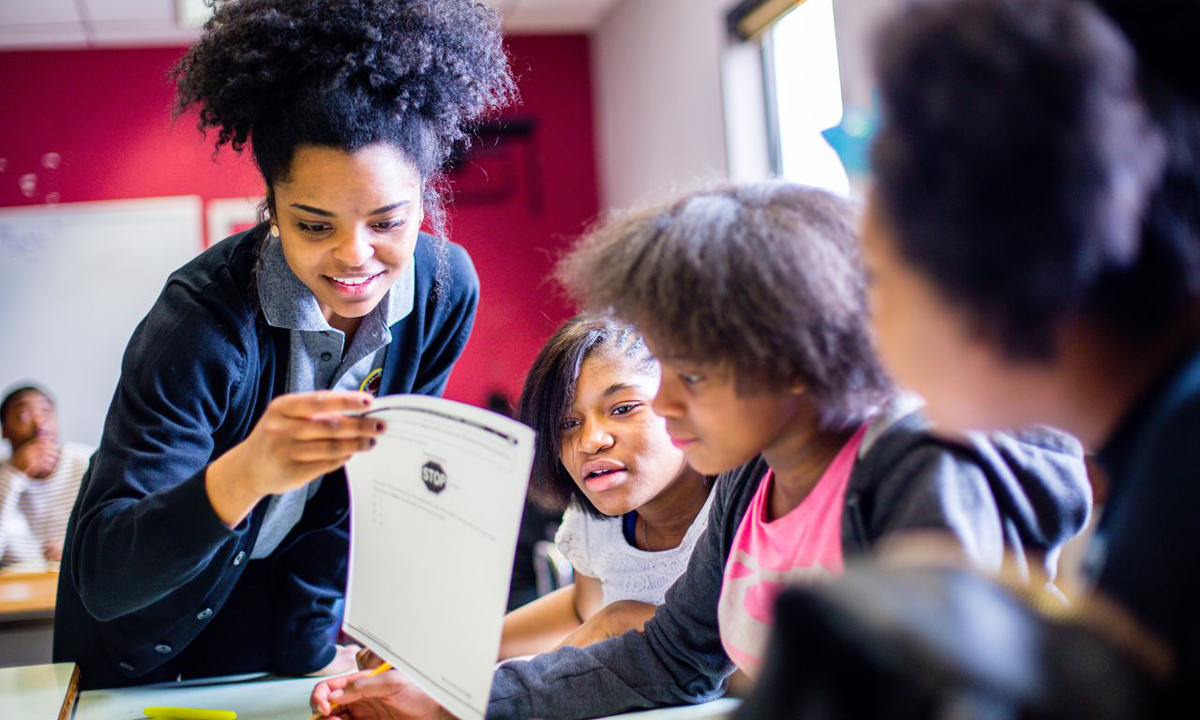
A promising approach to this crisis is the California Student Success Coach Learning Network. This initiative consists of 14 AmeriCorps programs active in over 30 communities statewide, reaching more than 200 schools and youth programs. It recruits and trains full- and part-time student success coaches, who serve as near-peer mentors and tutors.
The coaches, often recent graduates aged 18 to 25, are on the path to careers in education or youth development. They receive rigorous training in tutoring strategies, relationship-building, and student engagement after being screened and vetted to meet AmeriCorps standards.
Embedded Support for Students
Unlike traditional volunteers, these coaches are fully integrated within the school community, offering targeted, evidence-based student support throughout their service year. Their roles may include one-on-one tutoring, attendance support, academic mentoring, and reinforcing social-emotional skills—tailored to students needing extra assistance as identified by school staff.
Research demonstrates the efficacy of this model: a landmark study by the National Bureau of Economic Research underscores tutoring as one of the most impactful methods for driving educational progress across various grade levels. While these coaches do not substitute for teachers, they enhance classroom capacity, allowing educators to concentrate on core instructional responsibilities.
Results Demonstrating Efficacy
Initial metrics from the Student Success Coach Learning Network show promising results:
- 73% of students involved with Student Success Coaches improved their semester grades.
- 77% improved over the full academic year.
- An impressive 95% of students served graduated from high school, far exceeding California’s statewide graduation rate of 87%.
In addition to academic improvement, participating organizations have noted decreases in absenteeism, with some reporting up to 56% improvement in attendance-related metric.
Connecting Educational Support and Workforce Development
A nationwide study conducted by the Everyone Graduates Center at Johns Hopkins University corroborates these findings, indicating that schools leveraging volunteer-based, evidence-driven educational support mechanisms report notable advancements in student attendance and engagement.
Approximately 36% of success coaches pursue careers in education post-service, gaining invaluable hands-on experience and mentorship during their tenure. This initiative not only aids in student recovery but contributes significantly to developing the next generation of educators.
The Cost-Effective Approach for School Districts
Supported by a living allowance and student loan repayment options, the AmeriCorps structure allows districts to enhance student support capabilities with minimal local financial input. This flexible model enables schools to increase educational capacity without committing to permanent positions that could strain budgets during downturns.
Conclusion: An Investment in the Future
The effectiveness of the California Student Success Coach Learning Network illustrates the profound impact of young adults serving as mentors to students who might resemble them, fostering a rich collaborative environment with educators. As California looks to future budget cycles, the critical question remains: can the state afford not to invest in coordinated, people-powered solutions for student support?
By addressing both educational and workforce development challenges simultaneously, this model signifies a step forward in reshaping California’s educational landscape.
