

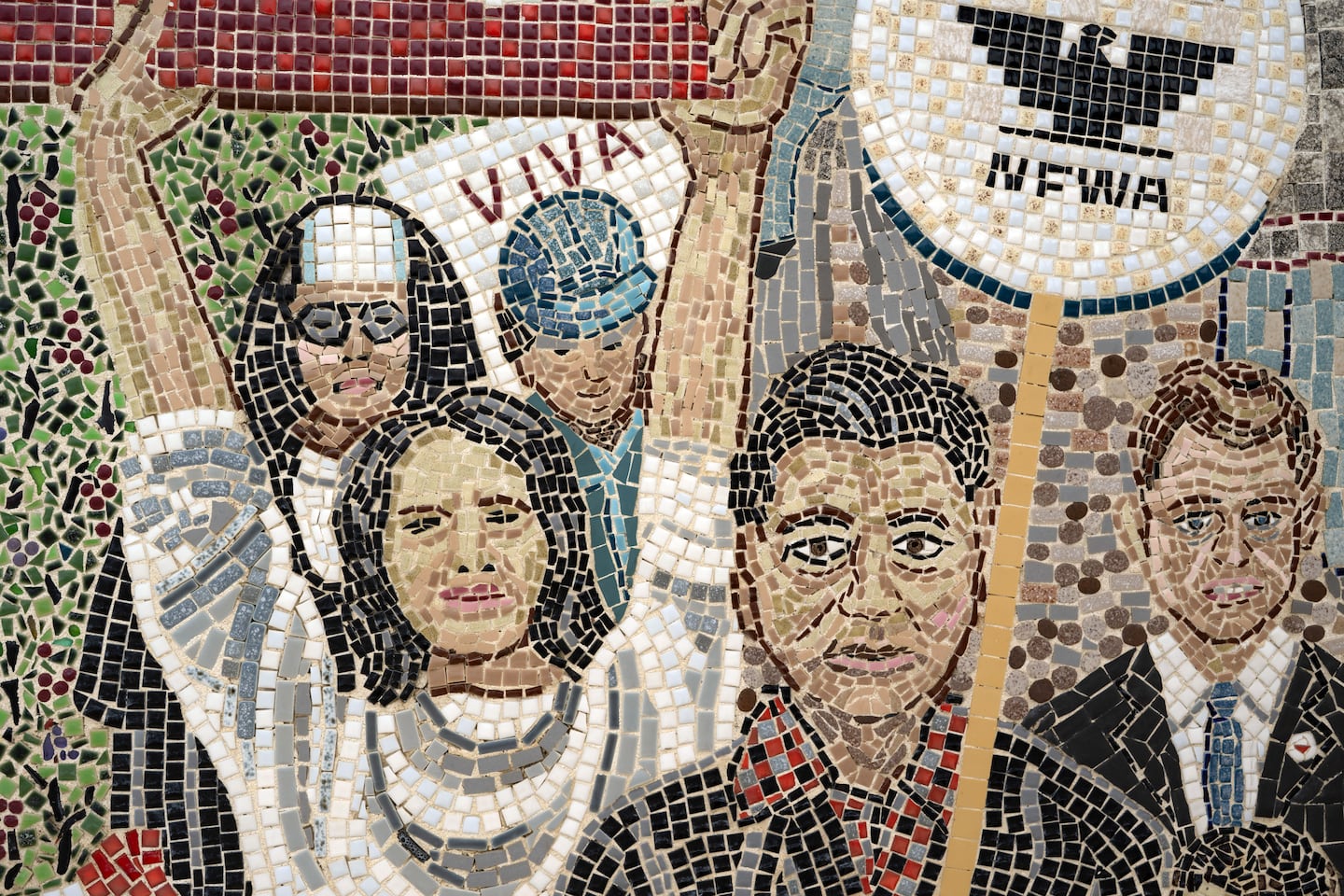
The Legacy of Cesar Chavez: A Complicated History
Introduction
Cesar Chavez has long been a symbol of the labor rights movement in the United States, particularly in California. As a co-founder of the United Farm Workers (UFW) union, his contributions to social justice have earned him a revered place in history. However, recent allegations have opened a dialogue about the darker aspects of his legacy, inviting reflection on the complexities of historical figures.
New Allegations Emerge
Dolores Huerta, Chavez’s former partner and fellow labor activist, recently made allegations against him, stating that he raped her twice in the 1960s, resulting in two pregnancies that she concealed to protect the movement. This revelation has prompted a broader conversation about the treatment of women in activist spaces and has inspired Huerta to share her story to encourage others to come forward.
For more details on Huerta’s courageous admission, visit Medium.
The Fallout in California Politics
The news of Huerta’s allegations reverberated through California’s political landscape, challenging the previously untarnished image of Chavez, who died in 1993. Political figures such as former Governor Jerry Brown and Attorney General Rob Bonta, who have long celebrated Chavez’s legacy, find themselves grappling with the moral implications of these claims.
This situation has prompted a reassessment of Chavez’s role in history. Many Democratic leaders, who once shared personal connections to his ideals, must now navigate this complex narrative as it evolves.
Huerta’s Enduring Impact
While Chavez is often celebrated, it’s essential to recognize Dolores Huerta as a powerful force in her own right. After Chavez’s passing, she continued to champion workers’ rights, introducing the resounding slogan “Sí, se puede.” Even in her 90s, Huerta remains an influential figure in political circles, often sought for her endorsements.
Governor Gavin Newsom expressed his difficulty in reconciling his admiration for Chavez with the painful revelations about Huerta: “How many photographs I have… of Cesar Chavez,” he remarked, indicating the challenge of coping with the duality of Chavez as both an icon and an alleged abuser.
Erosion of Chavez’s Legacy
In the wake of these allegations, many in California’s political sphere began dismantling Chavez’s legacy. Celebrations dedicated to him were abruptly canceled, and statues were removed from public display. Local officials have even begun the process of renaming schools, streets, and plazas previously named after him.
Moreover, there is a push to rename Cesar Chavez Day as Farmworkers Day, emphasizing the contributions of those who work under harsh conditions to sustain the nation. For further reading about these changes, check ABC7 News.
The Broader Context of Historical Figures
As California’s Democratic establishment races to reshape Chavez’s identity, this incident raises broader questions about how society treats historical figures with complicated legacies. As political strategist Mike Madrid noted, this situation encourages a shift in focus from revering flawed individuals to elevating the movements and communities they aimed to support.
“It’s vital to recognize that it’s not about one person,” he explained. “He was not a demigod. The movement became much larger than Chavez himself.”
Addressing Pain and Understanding
The allegations against Chavez have undoubtedly caused shock waves, particularly within Latino communities who viewed him as a rare hero in a system that often overlooks their contributions. Sociologist Manuel Pastor emphasized the need to acknowledge the pain of those affected by both the allegations and the loss of a significant figure in their history.
“We need to provide support for that and a path to understanding that it’s not the icons, it’s the movement,” Pastor said.
Conclusion
As we navigate this complex narrative, the focus must shift toward the ongoing struggle for workers’ rights rather than revolving solely around Chavez’s legacy. The new name for Cesar Chavez Day—Farmworkers Day—serves to remind us that while individuals may falter, the movement for justice and equity continues.
Happy Farmworkers Day! Celebrate the ongoing contributions of those who work to feed the nation.
For further reading on the implications of these recent events, explore articles from The Los Angeles Times, Politico, and The Sacramento Bee.
