

California’s Pivotal Role in the Artemis II Mission: A Leap for Humanity
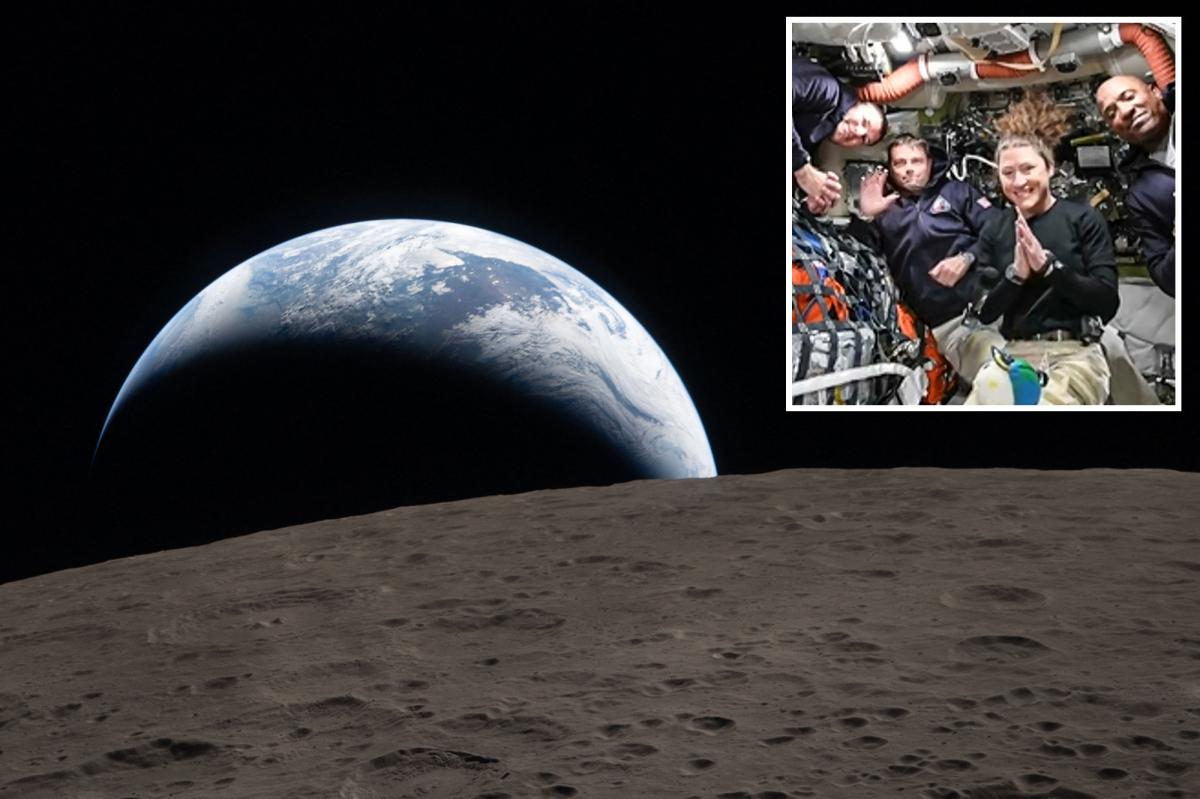
The Artemis II mission stands as a monumental achievement not only for the United States but also highlights California’s ongoing leadership in space exploration. This ambitious mission has propelled four astronauts further from Earth than any human has ever ventured, underscoring the state’s profound impact on the journey.
Astronauts and Their Trailblazing Journey
Victor Glover, hailing from Ontario, commands the mission, showcasing the exceptional talent nurtured in California. Glover’s background as a football player at Cal Poly San Luis Obispo complements his remarkable transition into the space program. Alongside him are fellow astronauts Reid Wiseman, Jeremy Hansen, and Christina Koch, all of whom symbolize the future of space travel as they embark on this lunar orbit.
The Engineering Backbone
The Jet Propulsion Laboratory in Pasadena plays a critical role in supporting the mission. Through the Deep Space Network (DSN), these engineers adeptly managed communications with the Orion capsule. Furthermore, scientists from Caltech significantly contributed by designing various scientific projects, enhancing the mission’s overarching objectives.
Recovery Operations
Post-mission recovery is another vital aspect. The USS John P. Murtha, stationed at Naval Base San Diego, is tasked with retrieving the Orion spacecraft once it returns to Earth. This coordinated effort ensures that the mission concludes smoothly and safely.
The Future of Lunar Exploration
The Artemis program is poised to continue evolving, with future missions set to utilize SpaceX rockets and vehicles. These missions aim to achieve the first moon landings in over half a century, marking a significant return to lunar exploration.
California: A Hub of Innovation
California’s contributions extend beyond NASA. The state is home to a wide array of emerging space startups alongside established giants like SpaceX. This dynamic atmosphere showcases California’s pivotal role in shaping the future of space exploration and technological advancement.
With world-class universities, research institutions, and innovative tech companies, California retains its status as a preeminent hub for scientific and technological endeavors. However, challenges remain.
The Challenges on the Horizon
Despite its successes, California faces hurdles such as a high cost of living and significant taxes, leading many bright minds and businesses to seek opportunities in more favorable environments like Texas. Additionally, the state’s education system has struggled in recent years, particularly in producing adequate talent in STEM fields.
A Call for Educational Reform
To sustain California’s leadership in space exploration, there is an urgent need for educational reform. Improving primary and secondary schools, especially in STEM disciplines, is crucial to prepare the next generation of innovators and explorers.
Inspiring a New Generation
The triumph of the Artemis missions offers hope and inspiration, reminiscent of the excitement sparked by the Soviet Union’s Sputnik launch back in the 1950s. California has the potential to reignite that passion for exploration and learning, propelling the next wave of challenge and discovery in space.
Conclusion
In conclusion, California remains a trailblazer in space innovation. As we reflect on the success of Artemis II, let us also envision a future where educational systems and economic conditions support the next generation of explorers. With necessary reforms, California can once again lead humanity toward remarkable achievements in space. Wouldn’t it be exciting to see how far we can go when we work to resolve our current challenges?
For further information, visit the official NASA Artemis Program page and explore the future of space travel.
