

Federal Judge Blocks Nexstar-Tegna Merger Amid Antitrust Concerns
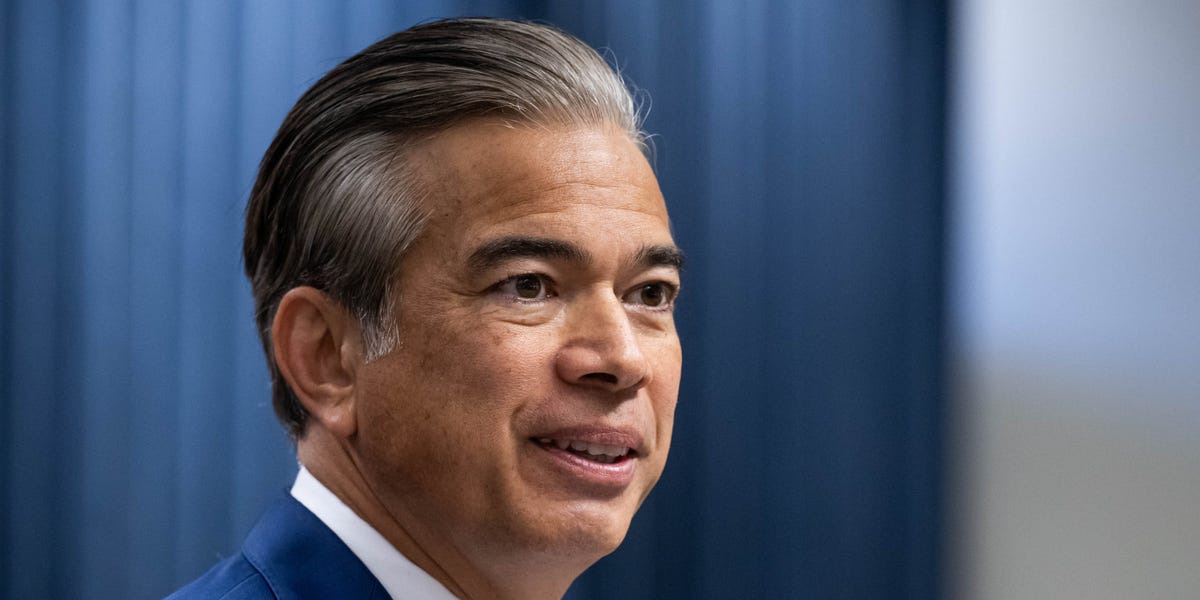
A federal judge in California has placed a temporary halt on the merger between local television powerhouse Nexstar and its competitor, Tegna, in response to ongoing antitrust litigation. This ruling aims to address concerns raised by California Attorney General Rob Bonta and seven other state attorneys general.
Background of the Merger
The proposed merger, valued at approximately $6.2 billion, had previously gained approval from the Federal Communications Commission (FCC) and the U.S. Department of Justice (DOJ) last month. The companies completed the transaction on March 19, following an early termination of the DOJ’s antitrust review. However, this approval did not quell the concerns of state officials.
Judge’s Ruling
On Friday, U.S. District Court Chief Judge Troy L. Nunley issued a preliminary injunction that prevents Nexstar and Tegna from merging their operations until the resolution of the legal dispute. This decision comes shortly after a temporary restraining order was granted in a separate legal challenge by satellite TV provider DirecTV.
In a statement, Attorney General Bonta heralded the ruling as a “critical win” for consumers, clarifying, “This merger is illegal, plain and simple. The federal government may have thrown in the towel, but we’ll keep fighting for consumers, for workers, for affordability, and for our local news.”
Nexstar’s Response
Nexstar, the largest owner of local broadcast television stations nationwide, has announced plans to appeal the court’s decision. In a public statement, the company emphasized the merger’s potential to strengthen local stations and promote continued investments in journalism: “This pro-competitive transaction will make local stations stronger and support continued investment in local journalism and fact-based news. We will appeal today’s decision and look forward to presenting our case on its merits before the Ninth Circuit Court of Appeals.”
Implications for Local News
The halt of this merger raises significant questions about the future landscape of local journalism and broadcasting. Antitrust laws are crucial in maintaining a competitive market, particularly in industries that directly impact public access to information. The outcome of this legal battle may set precedents for future media mergers.
Moving Forward
As Nexstar prepares to appeal, the case underscores the ongoing scrutiny of large media conglomerates and their impact on local news operations. Stakeholders, including consumers and civil rights advocates, will be closely monitoring developments.
For more information on antitrust regulations and their implications for media companies, visit FTC.gov.
The unfolding situation surrounding the Nexstar-Tegna merger exemplifies the complexities of media consolidation and the essential role of legal frameworks in preserving market competition. As the case progresses, the balance between corporate ambitions and public interest will remain a point of contention.
