

The Increasing Threat of Ghost Students in California’s Community Colleges
Introduction to Ghost Students
Thousands of tax dollars are currently being lost to a troubling phenomenon known as “ghost students.” These individuals, often online scammers, enroll in community colleges without any genuine intent of attending. Instead, they take advantage of the financial aid programs intended for real students, particularly in areas like the Bay Area.
The Role of AI in Scamming
Ghost student schemes primarily originate from overseas, with perpetrators employing sophisticated artificial intelligence to enhance their operations and bypass existing fraud detection measures. This factor severely complicates efforts by educational institutions to combat this growing issue.
Impact on Community Colleges
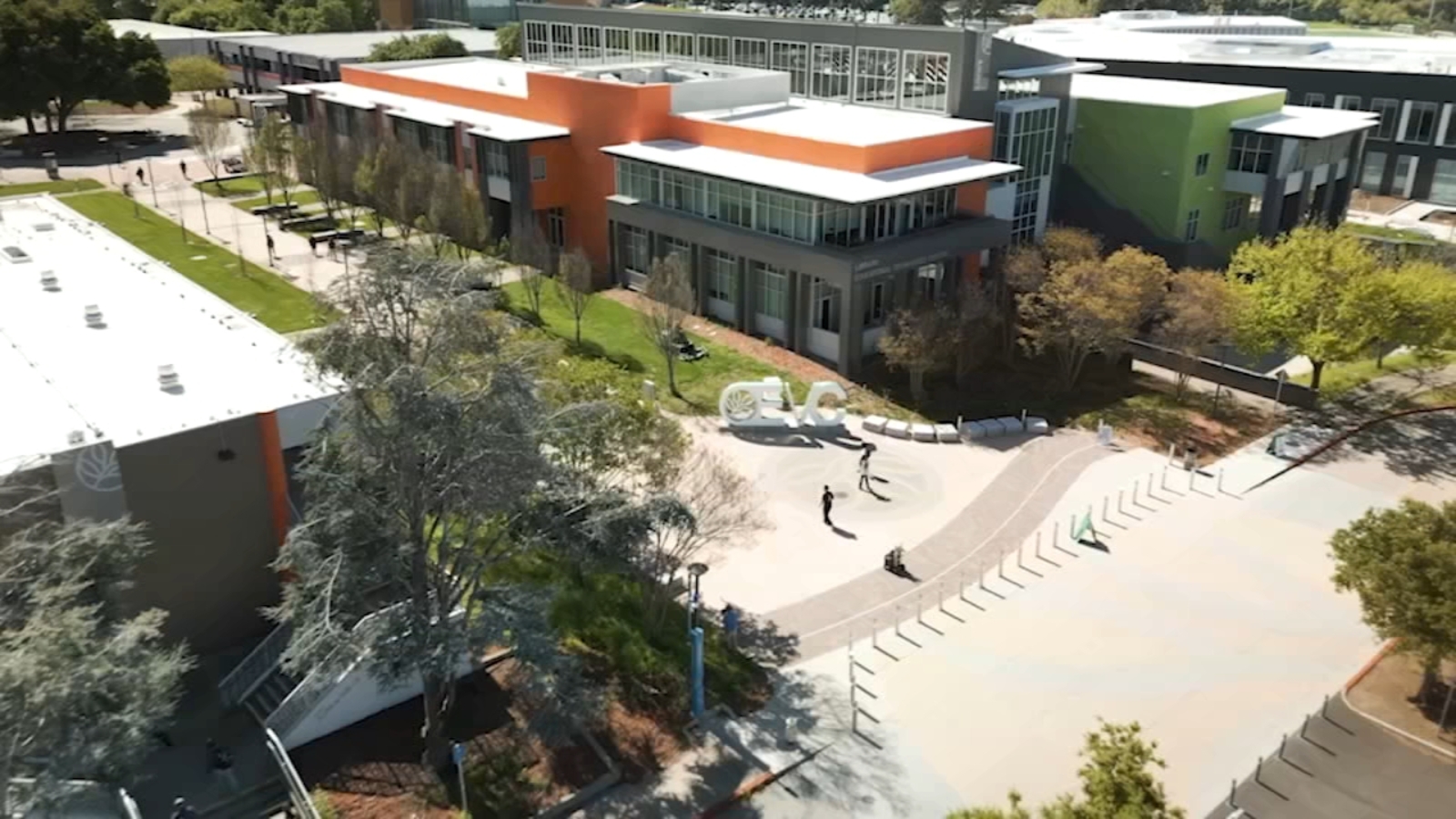
Community colleges in San Jose are feeling the strain of this fraud. Admissions teams are overwhelmed as they struggle to identify these ghost students, who frequently use stolen or fictitious identities to gain access to classes and financial aid. According to San Jose-Evergreen Community College District Chancellor Dr. Beatriz Chaidez, “Often, we have classes filled with enrollees, only to find that the majority are fraudulent accounts.”
The Shocking Statistics
The extent of this fraud is staggering. In 2024, about 31.4% of all applications to California’s community colleges were found to be fraudulent. This not only undermines the integrity of the educational system but also results in significant financial losses.
A Growing Concern for Families
For families like that of business analyst Murat Mayor, the impact of ghost students is personal. He discovered that scammers had used his and his son’s identities to enroll in community college classes nationwide while applying for various forms of financial aid. “We were shocked to see so many applications,” said Mayor.
Financial Aid Fraud Figures
The California Community Colleges system reported a loss of $3 million in state funding and $10 million in federal funding due to financial aid fraud in 2024 alone. Over the past five years, the federal government has lost more than $350 million to ghost student scams, prompting the Department of Education to launch around 200 investigations across the country.
The Dark Side of Identity Theft
As these scammers steal identities, the loans they acquire often go unpaid, leaving unsuspecting individuals burdened with debts they weren’t aware of. Jason Williams from the U.S. Department of Education elucidated the problem, stating, “Many victims are completely blindsided when they receive debt notifications for loans they never took out.”
Measures Being Taken by Community Colleges
To counteract this growing threat, California community colleges have begun implementing various protective measures. Institutions are now hiring consultants like Maurice Simpkins, who leads a software security firm focused on screening applicants. “Think of it as an offensive line in football—we’re working to block these threats,” Simpkins explained.
Innovative Solutions
Community colleges are employing advanced tools to better protect against fraud:
- Machine Learning: This technology identifies fake applications.
- Multi-Factor Authentication: This includes using selfies or live video to verify identities.
- Resistance to Automated Attacks: These systems are designed to thwart bots and scripted attacks.
Additionally, faculty members are encouraged to monitor student participation closely, ensuring that enrolled students are genuinely attending classes.
Conclusion: The Need for Vigilance
Despite significant efforts to reduce the number of ghost students, the challenge remains daunting. Dr. Chaidez emphasizes the importance of continued vigilance: “We want to ensure financial resources are directed to actual students, not lost to scams.”
With knowledge of these ongoing scams, both institutions and affected families can better protect their interests and safeguard educational resources.
For more insights into educational fraud, you can explore topics like financial aid fraud and identity theft.
This article provides an overview of the increasing challenges posed by ghost students in community colleges, underscoring the necessity for robust security and awareness in the educational sector.
