

Immigrant Truck Drivers Face Crisis Amid License Cancellations in California
The Impact of Policy Changes on Trucking Companies
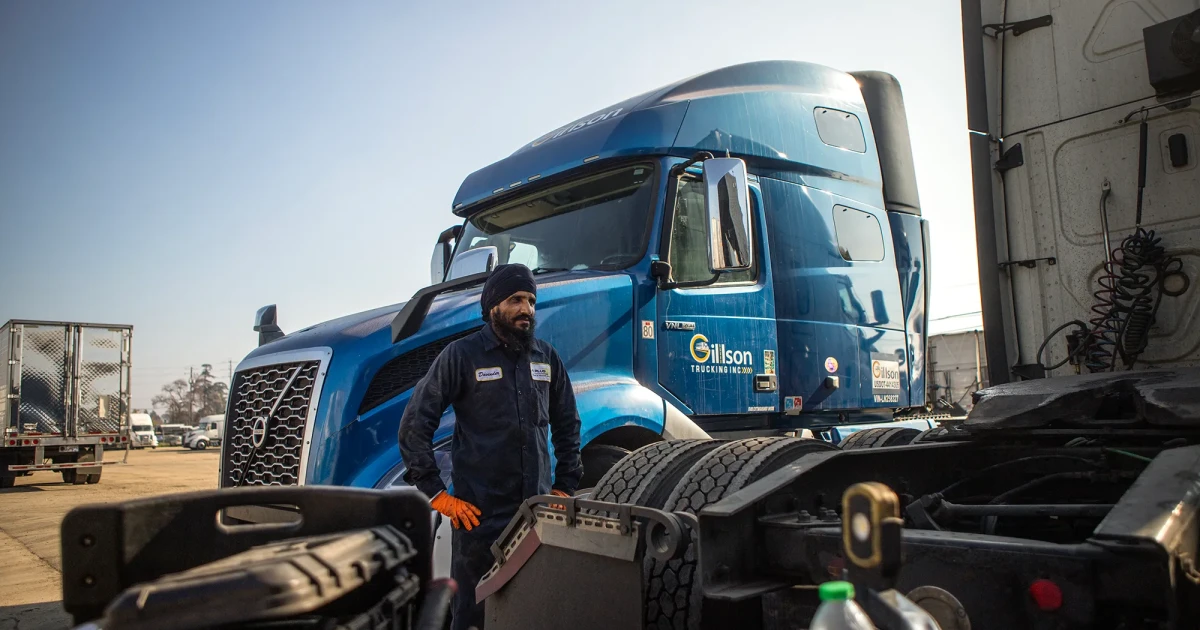
In Stockton, a once vibrant truck business owned by Bikramjeet Singh Gill, head of Gillson Trucking Inc., now finds itself in dire straits. After the California Department of Motor Vehicles (DMV) began canceling the commercial driver’s licenses (CDLs) of approximately 17,000 immigrant drivers, dozens of trucks sit idle, accumulating dust and debts. Gill estimates a staggering loss of nearly $2 million over just four months, all while maintaining over $200,000 monthly in payments to banks and insurers for these inactive vehicles.
Background of the License Cancellations
This situation began in September when the Trump administration initiated an audit to verify the legitimacy of CDLs among immigrant drivers, revealing many had license expiration dates that extended beyond their work authorization. As a result, California began canceling these licenses, leading to a domino effect. Recent regulations now threaten to revoke licenses from up to 61,000 truck drivers in the coming years.
Approximately 35% of California’s commercial drivers belong to the Sikh community, a religious minority primarily originating from India. This demographic has become increasingly vulnerable as they represent a crucial part of the trucking workforce in the Central Valley.
Legal Actions and Civil Rights Concerns
The Sikh Coalition, an advocacy group, is challenging these license cancellations through a lawsuit filed with the Asian Law Caucus, framing the issue as a civil rights concern. Munmeeth Kaur, legal director of the Sikh Coalition, emphasized that losing a CDL translates to losing a livelihood for thousands of drivers, calling the DMV’s actions a flagrant violation of due process.
Fatal Accidents and Heightened Scrutiny
In addition to the legal wave, two tragic incidents involving Sikh truck drivers garnered national attention, prompting increased scrutiny on immigrant drivers. The crashes highlighted the need for more stringent regulations targeting this group, further complicating an already precarious situation.
Threat of Transportation Funding Cuts
As the crisis deepens, the Trump administration has threatened to withhold transportation funding from California over what they claim are delays in these license cancellations. U.S. Transportation Secretary Sean P. Duffy recently stressed the need for the state to revoke what he described as unlawfully issued licenses to “dangerous foreign drivers.”
Economic Ripple Effects on the Community
With thousands of drivers unable to work, the economic ramifications extend far beyond individual losses. Raman Dhillon, CEO of the North America Punjabi Trucking Association, noted that many companies refuse to hire drivers holding non-domiciled licenses, straining an already fragile employment landscape.
Gill shares this sentiment, expressing devastation over the situation that leaves numerous drivers trying to secure loans or jobs after losing their primary sources of income. Many in the community, who had invested heavily into their American dreams, are suddenly shifting to gig economy jobs, potentially earning a fraction of their previous incomes.
Navigating Fear and Stigma
As the turmoil unfolds, there’s a pervasive sense of fear among drivers regarding immigration enforcement. Numerous reports indicate that some have been arrested by Immigration and Customs Enforcement (ICE) at rest stops, further fueling anxiety about their status and leading to reduced visibility of Sikh identity markers on vehicles.
A Growing Concern for the Future
With over 750,000 Sikhs residing in the U.S. and around 150,000 working in trucking, the wave of cancellations has had both economic and psychological impacts on the community. Naindeep Singh, executive director of the Jakara Movement, noted a rise in caution among drivers about displaying cultural identifiers due to fears of racial profiling, a sentiment echoed across the trucking industry.
Conclusion: Seeking Solutions
Trucking leaders, including Tejinder Singh Mehta of InTrade Industries, are advocating for temporary extensions on licenses to help mitigate the impact of the new regulations. Mehta believes that understanding the complexities at play would foster a more nuanced dialogue about immigration, safety, and the economy.
Amid critical discussions, community members continue to navigate the uncertain terrain of their livelihoods, with many seeking ways to thrive within the current regulatory framework. As the situation unfolds, the immigrant trucking community remains resilient, advocating for their rights and finding ways to adapt in a changing landscape.
