

Fresno City Employees Face Healthcare Coverage Crisis
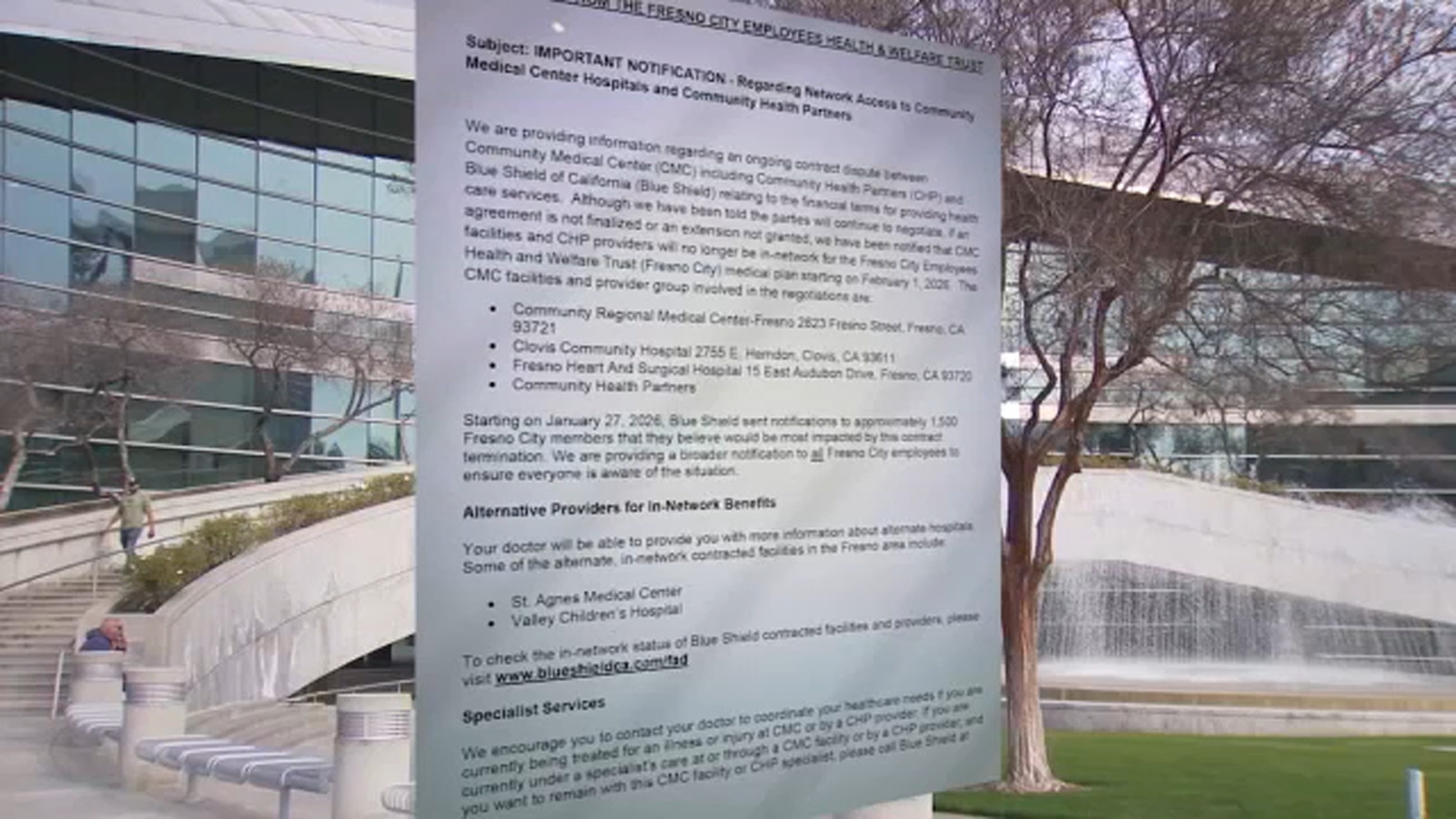
FRESNO, Calif. — In a surprising turn of events this month, Fresno City employees are grappling with significant changes to their healthcare coverage. A recent letter has informed over 1,500 municipal workers that various locations of the Community Medical Center (CMC) will no longer accept their in-network insurance due to an unresolved contract dispute with Blue Shield of California.
Context of the Healthcare Coverage Change
The termination of this contract, effective February 1, arises from ongoing negotiations between CMC and Blue Shield. City officials express concern, emphasizing that employees must now contend with higher out-of-network healthcare costs. Fresno City Manager Georgeanne White highlighted the predicament: “The city employees are frankly stuck in the middle… they are going to be forced to pay out-of-network premiums, which is going to cost them more money.”
Shifting Options for Medical Care
With the contract’s expiration, commonly utilized providers under the Community Health network, such as Community Regional Medical Center and Clovis Community, will no longer be accessible to Fresno city employees. As a result, these individuals are required to seek medical services from alternatives like St. Agnes or Valley Children’s Hospital, which could lead to further complications in managing their care.
Statements from the Involved Parties
In response to the situation, Blue Shield explained that CMC initiated the contract termination with the intention of renegotiation. However, CMC has countered this narrative, accusing Blue Shield of failing to grant an extension, thereby allowing the contract to lapse on January 31, 2026.
Blue Shield indicated that they had proposed “fair and reasonable rate increases” to sustain access to care while also encouraging the delivery of high-quality healthcare. However, CMC argues it is not aligned with terms that ensure fair compensation for their services.
The Broader Implications for Healthcare Providers
Aldo De La Torre, Division President of Insurance Services and Managed Care for Community Health System, stated, “Our ability to provide high-quality, accessible care for our patients depends on contracts that fairly reimburse our care teams.” He noted that stagnant and declining government reimbursements are affecting negotiations and overall financial stability.
In a related development, the Community Health System recently reached an agreement with Aetna, restoring coverage for over 6,000 retirees from the Fresno Unified School District, highlighting the turbulent state of healthcare negotiations within the region.
Voices from the Community
Former educator Sharon Hart, who dedicated over two decades to teaching and administration, expressed her dismay at the evolving healthcare landscape: “It was really shocking in many ways… This is not a problem unique to Fresno.” This sentiment underscores the widespread concern as the healthcare system’s challenges permeate throughout communities.
Future Steps for the City of Fresno
In light of the ongoing negotiations, the City of Fresno has scheduled a special meeting of its health and welfare board in March. Should an agreement not be reached by that time, the board aims to explore alternative solutions to support affected employees and ensure access to essential healthcare services.
Conclusion
As Fresno city employees navigate this unprecedented shift in healthcare coverage, the implications are clear: access to quality medical care hinges on timely agreements between healthcare providers and insurers. The situation underscores the need for ongoing dialogue to mitigate financial burdens on employees and maintain essential healthcare access.
For more updates on this developing story, follow news outlets on platforms such as Facebook and Twitter.
By incorporating relevant keywords and external links, this article not only aims to inform readers about the crucial healthcare changes in Fresno but also positions itself favorably for search engines, increasing its visibility and potential readership.
