

New Degree Programs at California Community Colleges: Bridging Workforce Gaps
Introduction to Community College Baccalaureate Programs
California community colleges are making significant strides in addressing local workforce needs by offering bachelor’s degree programs. This initiative, which has gained traction in recent years, responds to a pressing demand for skilled professionals in various fields. One of the most notable examples is Constance Duffle, a paramedic from Siskiyou County, who has enrolled in a bachelor’s degree program in paramedicine at the College of the Siskiyous. This program, pivotal for her career advancement, offers numerous benefits, including salary increases and opportunities to train future paramedics.
The Growing Demand for Local Education
Duffle voices a sentiment shared by many in her district: without a nearby educational option, pursuing a full-time job while caring for family responsibilities would be nearly impossible. She recalls her earlier education, stating, “If the program had been available to me then, I would have pursued it ‘in a heartbeat.'” This reflects the transformative power of community college programs, particularly in underserved areas.
Tensions Between CSU and Community Colleges
While the introduction of new programs is promising, it has not come without controversy. Recently, the California State University (CSU) system raised objections to 16 proposed degree programs from community colleges, claiming they violate state law intended to protect CSU’s offerings. Community college officials assert that their programs are uniquely tailored to meet the specific needs of their districts, as originally intended by legislation aimed at expanding educational opportunities.
The Evolution of California’s Higher Education Landscape
The structural changes in California’s higher education system have emerged since the adoption of the 1960 Master Plan for Higher Education. Initially designed to distinguish roles among community colleges, CSU, and the University of California, the plan predominantly acknowledged community colleges’ function as providers of two-year degrees and transfer pathways to four-year institutions. However, there is now a growing recognition of the need for these colleges to also offer bachelor’s degrees to better align with local job market demands.
Legislative Support for Bachelor’s Programs
To enhance accessibility and provide more affordable options for students, a 2021 Assembly bill empowered community colleges to introduce bachelor’s degrees aimed at addressing “unmet workforce needs” in local districts. This law expanded upon a pilot program established in 2014, allowing 15 community colleges to develop specialized bachelor’s programs.
Navigating Challenges with Degree Proposals
Despite legislative support, an important stipulation exists: CSU and the University of California can challenge any proposed degree considered “duplicative.” This creates a complex landscape for community colleges, which must navigate modifications or withdrawal of programs to reach an agreement with the CSU system.
Current Bachelor’s Program Offerings
To date, 54 bachelor’s programs have gained approval across 44 community colleges. Some notable offerings include:
- Industrial automation at Bakersfield College
- Biomanufacturing at Moorpark College
- Healthcare information management at Shasta College
Despite these advancements, only a small fraction—1,375 community college students—are currently enrolled in these programs out of 2.2 million total students.
The Local Workforce Impact
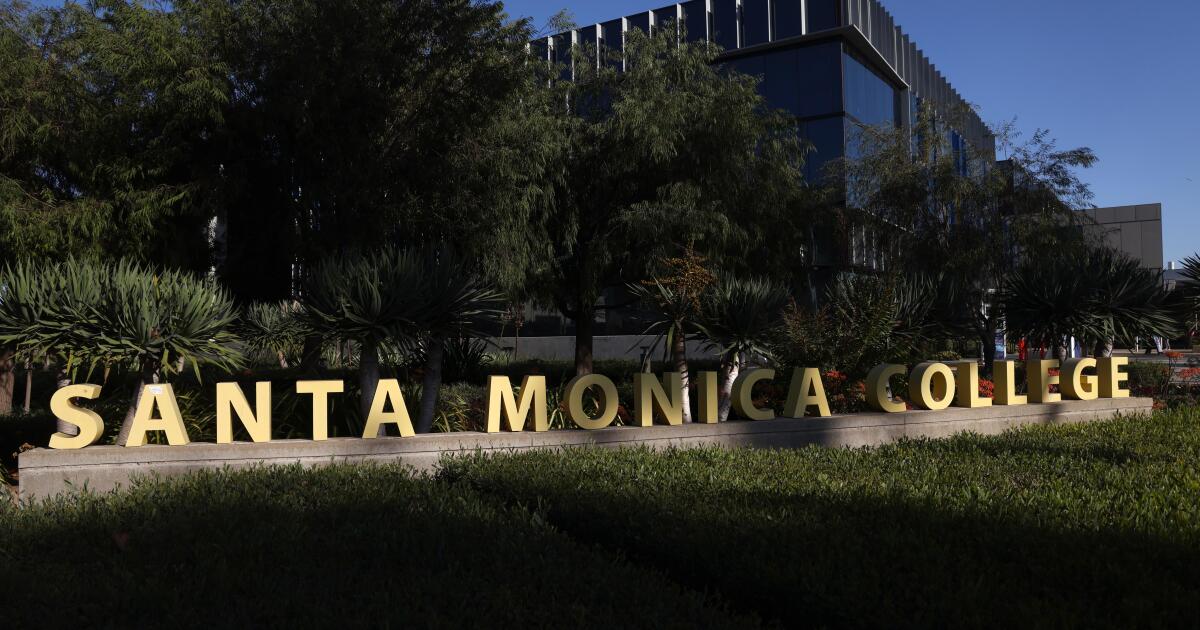
Community college officials argue that their programs fulfill essential job demands not only locally but also in regions underserved by traditional universities. For example, the cloud computing program at Santa Monica College has faced pushback from CSU campuses, notably due to perceptions of overlap with their offerings. However, local leaders argue that community college graduates fill key workforce gaps that would otherwise remain unaddressed.
Legislative Changes in Response
Lawmakers are now advocating for reforms to better align higher education offerings with local workforce needs. For instance, Assembly Bill 664, which recently passed with a significant majority, aims to establish bachelor’s degrees at Southwestern College to respond to regional workforce demands.
Conclusion: The Future of Higher Education
In light of evolving workforce needs and economic landscapes, California’s higher education system is at a crossroads. The push for community colleges to deliver accessible, high-quality bachelor’s degrees reflects a broader understanding of the necessity to adapt to local demands. As these discussions unfold, the potential for improved educational pathways remains a priority for students seeking to advance their careers without geographical and financial burdens.
Learn More
For those interested in exploring community college offerings or understanding how California’s higher education policies are evolving, visit reputable sources such as California Community Colleges and California State University. Enjoy the journey through education, workforce planning, and the future of community engagement!
