

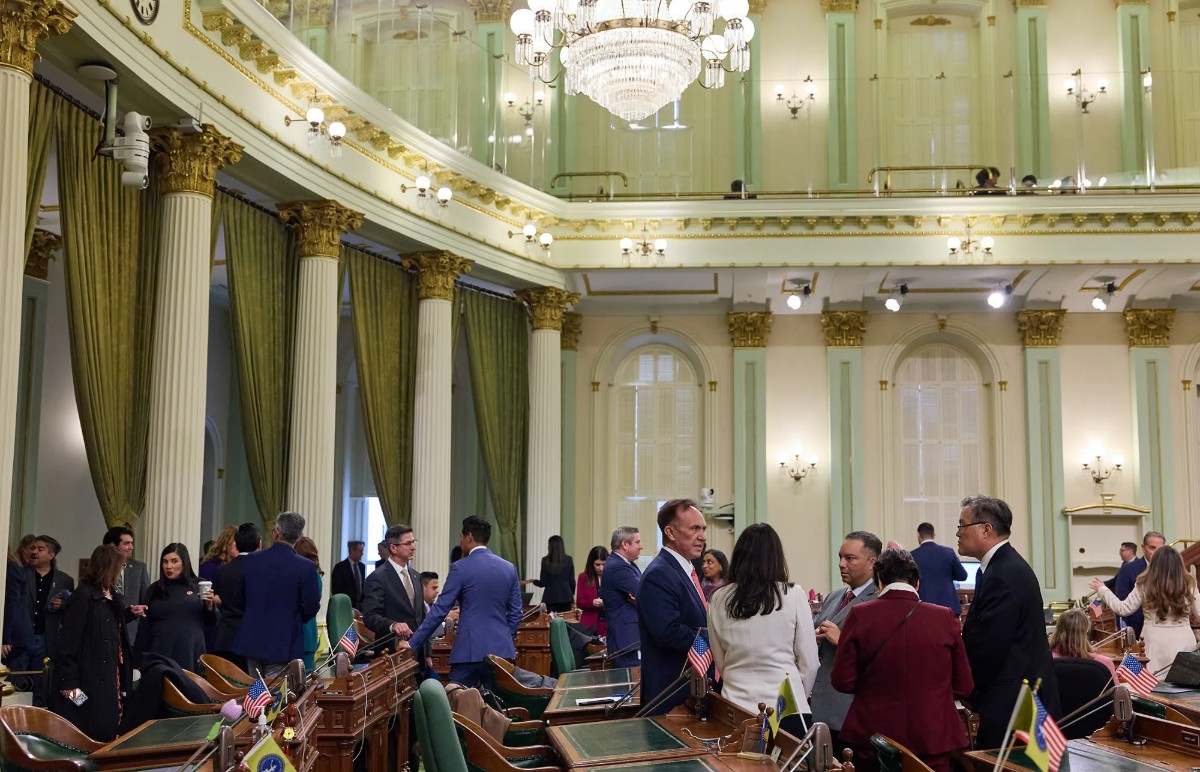
California Legislators Face Challenges with Performative Legislation
California’s State Assembly has initiated its 2026 legislative session, during which lawmakers are expected to introduce an extensive array of bills. Among these, some genuinely aim to tackle pressing issues, while others may simply serve as political gestures.
The Nature of Performative Legislation
Performative legislation often manifests as resolutions that declare support for various causes. Despite consuming valuable taxpayer resources through hearings and debates, many of these measures lack substantial impact. This situation presents challenges as legislators navigate between addressing genuine concerns and appeasing political constituencies.
Scrambling for Solutions: Anti-ICE Measures
In late January, Democratic legislators proposed various measures aimed at countering actions by federal Immigration and Customs Enforcement (ICE) officers. One key proposal, Senate Bill 747, emerged amid heated discussions regarding civil rights abuses connected to ICE operations. This bill ostensibly facilitates lawsuits against federal agents, particularly in response to tragic incidents involving U.S. citizens.
However, despite passing the Senate on a party-line vote, the bill faces significant hurdles regarding its enforceability. Federal protections shield officers from prosecution in state courts, raising doubts about the bill’s potential effectiveness.
Addressing the Housing Crisis: Senate Bill 417
Another notable measure is Senate Bill 417. This bill aims to place a $10 billion bond issue on the November ballot to support the construction of low-income housing. Sponsored by Senator Christopher Cabaldon, the proposal is backed by numerous housing advocacy groups.
Cabaldon has highlighted the urgent need for funding to turn policy into actual housing units. According to a 2025 Rand Corporation study, the costs associated with developing low-income housing in California can reach as high as $1 million per unit, the highest in the nation.
Understanding the Economic Landscape
The study further illustrates that the construction timeline in California exceeds that of states like Texas by an average of 22 months. With local fees averaging $29,000 per unit compared to just $1,000 in Texas, various financial pressures contribute to California’s housing crisis.
Given these statistics, the proposed bond issue could finance approximately 13,000 units of affordable housing. Nevertheless, this figure pales in comparison to the 180,000 units California should be constructing annually to keep pace with demand.
The Road Ahead: Reducing Construction Costs
As the challenges surrounding California’s housing crisis remain pervasive, experts argue for the necessity of addressing underlying issues. The state could vastly increase housing supply by aligning its costs more closely with those in other regions, like Colorado.
Legislators need to prioritize reducing these development costs rather than passing legislation that may not lead to effective outcomes. Constructive measures should focus on direct solutions rather than performative gestures to ensure meaningful progress in alleviating California’s pressing housing needs.
By understanding the dynamics of performative legislation and taking strategic action, California’s lawmakers can work towards substantial improvements in the lives of its residents.
