

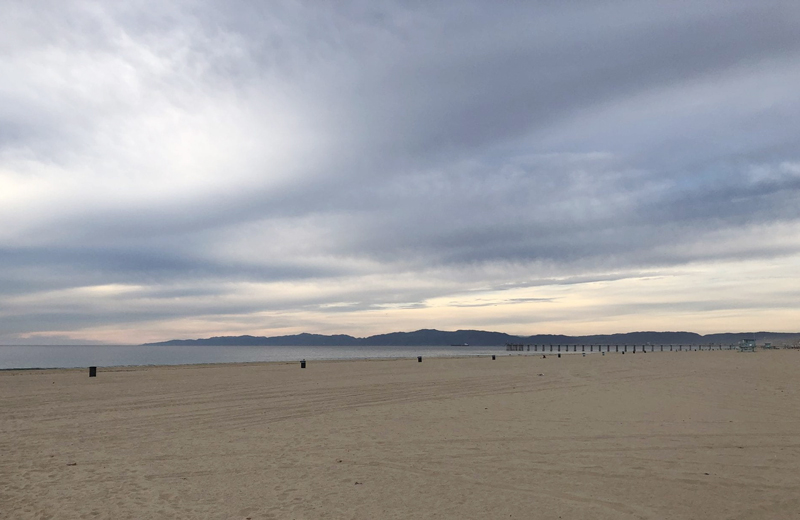
Southern California Beaches: A Surprising Expansion Amid Urban Challenges
Southern California’s coastal landscape is witnessing an unexpected transformation, boasting over 500 acres of new beach area in the past four decades, according to a recent study from the University of California, Irvine, and the U.S. Geological Survey. This research not only defies traditional views on coastal erosion but offers fresh insights into the dynamics of sediment distribution and coastal management in one of the world’s most urbanized areas.
Unraveling Coastal Myths
The groundbreaking findings, published in Nature Communications, reveal that Southern California’s beaches have expanded by nearly 10 percent from 1984 to 2024. This growth contrasts sharply with prevalent concerns over sediment starvation and beach erosion brought about by dams and urban development.
The Scale of Change
Co-author Brett Sanders, a professor at UC Irvine, noted, “While several individual beaches did experience severe erosion, there were also several that experienced dramatic widening.” Overall, researchers observed an average beach expansion of approximately 7.2 meters along 320 kilometers of coastline.
Distribution of Erosion and Growth
The study indicates that 49% of the shoreline experienced significant widening, whereas 31% faced narrowing. Notably, certain hotspots, such as the Zuma littoral cell near Malibu and northern sections of Oceanside, endured some of the worst erosion rates, exceeding 1 meter per year.
The Role of Coastal Structures
Much of the beach growth is attributed to human-made coastal structures like jetties and harbors, which capture longshore sediment transport. Some of the fastest-growing beaches include highly frequented spots like Huntington Beach and Santa Monica, as well as quieter areas, notably the beach between Ventura and Oxnard.
Measuring Shoreline Changes with Precision
Utilizing innovative satellite-derived measurement techniques, researchers achieved unprecedented accuracy in assessing shoreline changes. “Previously, beach monitoring relied on costly methods with limited frequency and spatial coverage,” said Sanders. This modern approach enables ongoing evaluations of beach width, enhancing the understanding of coastal systems.
Opportunities for Improved Coastal Management
The research suggests that the critical issue for Southern California beaches is not a lack of sediment but its uneven distribution. Beaches such as McGrath State Beach and Venice Beach have expanded dramatically, measuring over 200 meters wide, largely due to sediment accumulation at coastal structures.
Implementing Sediment Bypass Systems
Several harbors in Southern California, including those in Santa Barbara and Ventura, already utilize sediment bypass systems to mitigate erosion. The study argues that expanding such initiatives could yield more equitable and effective use of littoral sediment resources across the region.
A New Perspective on Dam Effects
While large dams in California have halved sand flux to the coast historically, other sources, such as bluff erosion and mechanical sand additions, have sustained or even expanded many beaches.
Overcoming Management Barriers
Despite the promising findings, the study acknowledges significant hurdles to improving sediment redistribution, including financial costs, regulatory challenges, and institutional inertia. The call for strategic management becomes even more critical as climate change and rising sea levels add pressure to coastal ecosystems.
Conclusion: The Future of Southern California Beaches
The ongoing use of advanced satellite-derived shoreline data will be vital in effectively managing coastal systems moving forward. Researchers emphasize that these insights will make it easier to implement effective management strategies, adapting to the evolving challenges posed by climate change.
In summary, the study not only redefines the narrative around beach erosion in Southern California but also opens new pathways for coastal management. By leveraging innovative technologies, stakeholders can pave the way for more sustainable coastal environments, ensuring that these beloved beaches continue to thrive for generations to come.
For further reading on coastal dynamics and management, consider exploring resources from reputable websites such as National Oceanic and Atmospheric Administration and California Coastal Commission.
