

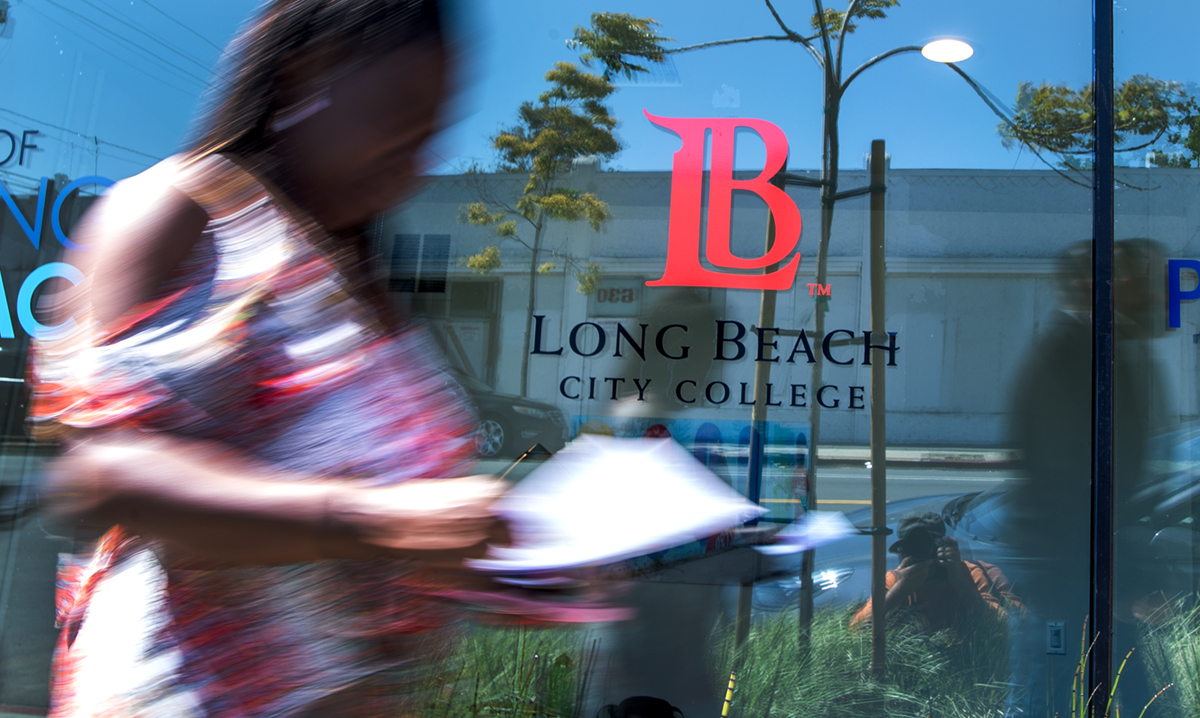
Long Beach Community College District Settles Class-Action Lawsuit for $18 Million
Major Settlement for Adjunct Professors
The Long Beach Community College District has reached a significant milestone by agreeing to pay $18 million to over 1,450 part-time faculty members as part of a class-action lawsuit. This legal action stemmed from claims that adjunct professors were compelled to perform unpaid work outside the classroom, including grading assignments, meeting with students, and preparing lessons.
Next Steps for the Settlement Approval
While the district’s board approved the settlement quietly last month, it is pending final approval from the judge overseeing the case. A hearing is scheduled for July 1 in Los Angeles County Superior Court, where Judge Stuart Rice is expected to endorse the agreement. Last year, he asserted that the adjunct professors were indeed entitled to compensation for the work they performed outside of class, highlighting serious issues with the district’s assertions regarding compliance with state law.
Impact on Adjunct Faculty Compensation Across California
This case has already sparked changes throughout California, with other community college districts beginning to negotiate contracts that provide adjuncts with compensation for their preparation and grading time. Eileen B. Goldsmith, the plaintiffs’ attorney, noted that this landmark decision has had far-reaching implications, echoing findings from an investigative series by EdSource, titled Gig By Gig At California’s Community Colleges, published in 2022.
Financial Provisions Established by the District
As part of its proactive financial planning, the Long Beach Community College District has set aside $20 million to cover the settlement and related costs. District spokesperson Stacey Toda remarked that settling the lawsuit allows the institution to avoid prolonged litigation and manage risks in line with standard practices in public higher education.
Significance of the Settlement for Faculty
“This settlement is a tremendous victory,” stated John Martin, who chairs the California Part-Time Faculty Association and teaches at community colleges in Shasta and Butte counties. Martin, a long-time advocate for better pay for adjuncts, is also involved in similar lawsuits against the state Community College system, underscoring the systemic issues affecting part-time educators.
In legal documents filed with the Superior Court, Goldsmith indicated that if approved, the settlement would allow 1,456 class members to receive over $11,000 each—a meaningful financial outcome given the novel legal challenges presented during this litigation.
Conclusion
The approval of this settlement represents a pivotal moment for adjunct professors across the state, highlighting the ongoing struggle for fair compensation and recognition for their contributions in higher education. The resolution of this case may inspire further reforms that benefit part-time faculty in communities throughout California.
For more information on the long-term implications of this case, continue to follow developments in California community colleges and legal proceedings affecting adjunct faculty compensation.
