

California’s Climate Pledge: Bridging the Gap in Organic Waste Management
California stands at a crucial juncture in its climate journey, with ambitious goals to slash greenhouse gas emissions significantly by 2030. However, recent reports indicate that significant gaps remain in the state’s organic waste management policies, jeopardizing its environmental credibility.
Current Emission Targets
The state aims to reduce greenhouse gas emissions to 259 million metric tons of CO2 by 2030, achieving a remarkable 40% reduction from 1990 levels. As of 2022, emissions were reported at 14% below 1990 figures, leaving a daunting gap of 112 million metric tons that must be closed in just six years.
Organic Waste Management Challenges
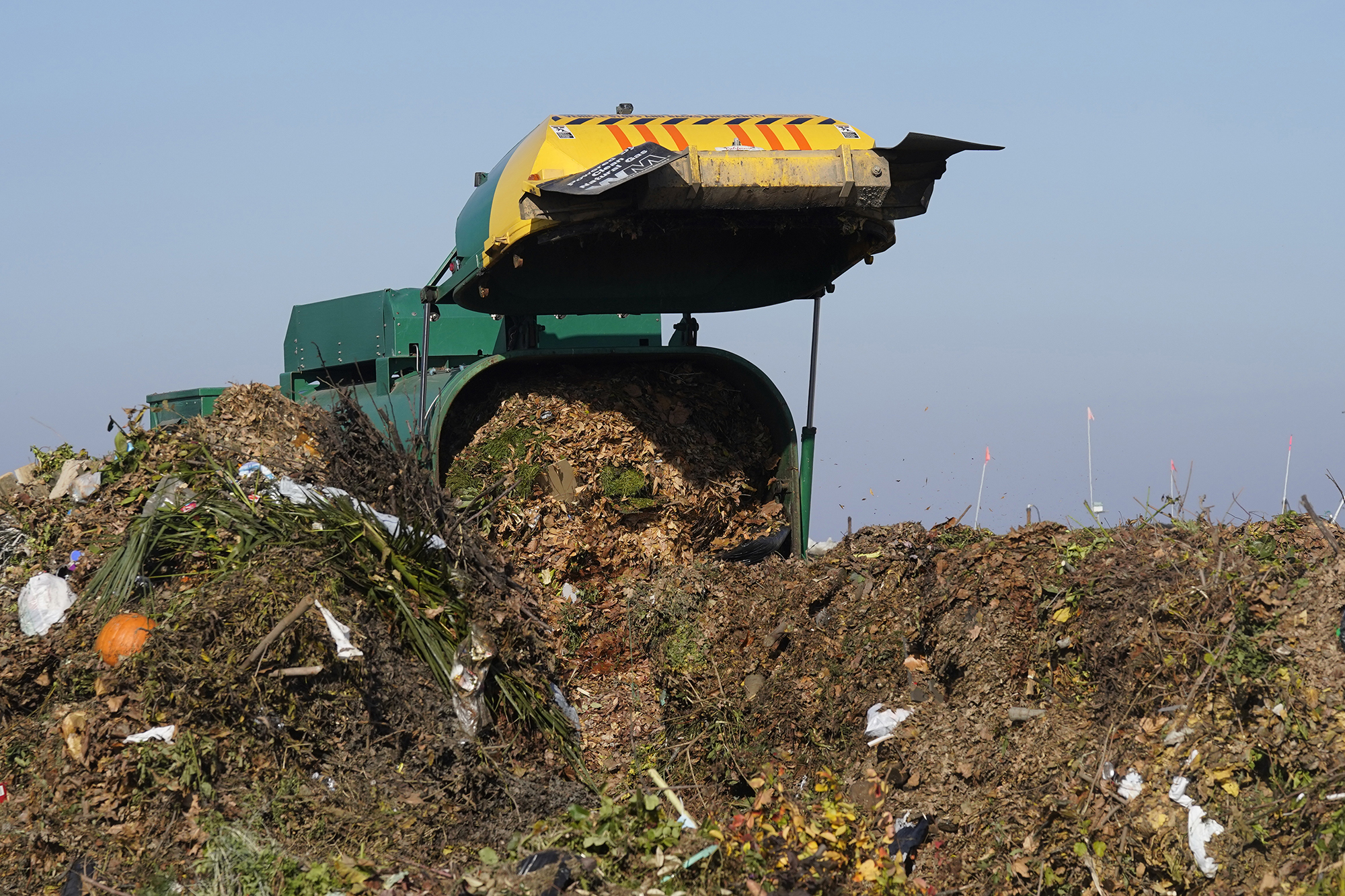
One of the most pressing issues is the diversion of organic waste. Through Senate Bill 1383, California aimed to cut landfilled organic waste by 50% by 2020 and 75% by 2025 (compared to 2014 levels). Unfortunately, data shows an alarming increase in organic waste sent to landfills, with an additional one million tons added between 2014 and 2020. This raises serious concerns about meeting the ambitious 2025 target.
Policy Missteps
The primary obstacle isn’t a lack of technology—California possesses the necessary infrastructure for effective circular waste management. Instead, systemic policy issues, particularly the state’s exclusive franchise hauling system, inhibit the efficient use of existing resources. Under this rigid framework, waste generators are limited to specific haulers, often preventing the diversion of valuable pre-consumer food waste to recycling facilities.
Cities and counties are adhering to service requirements but continue to fall behind in state organic waste reduction benchmarks. Proven solutions like RE:CIRCLE are available, yet many tons of high-value organic waste remain improperly routed to landfills each year, denying the state significant climate benefits.
The Climate Impact of Organic Waste Diversion
The implications of effective organic waste diversion are substantial. Diverting one million tons of organic food waste could potentially prevent 330,000 to 540,000 metric tons of CO2 emissions. Achieving the targeted 75% organic waste reduction could have saved an estimated 5 to 15 million metric tons of carbon emissions.
A Call for Policy Reform
The current situation creates a contradiction in California’s environmental policy. While the state sets bold climatic targets and promotes circular economy principles, existing regulations prioritize traditional business models over environmental outcomes. Local enforcement agencies exacerbate this issue by following permitting practices not aligned with statewide climate initiatives, limiting high-performing circular processors from expanding their capacities.
To regain credibility, California must embrace sustainable transformation actively. Ecosystem collaboration should replace exclusionary regulations. Implementing a pre-consumer food waste carve-out would allow organic waste generators to send their waste directly to high-diversion processors, bypassing restrictive franchise laws where substantial environmental benefits are evident.
Aligning Local and State Priorities
Improving coordination between local authorities and CalRecycle is crucial for aligning local permitting practices with statewide climate goals. Recognizing high-performing circular processors as critical infrastructure could facilitate their expansion when they adhere to strict performance standards.
Conclusion: Unlocking California’s Circular Economy Potential
California already possesses the technology, infrastructure, and expertise to be a leader in a circular economy. The challenge lies in aligning policies to unlock these capabilities fully. As the critical 2030 deadline approaches, it is imperative that regulatory inertia does not undermine the state’s climate aspirations. The infrastructure for success is in place; what remains is the political will to harness that potential and achieve a sustainable future.
For more information on California’s recycling policies, visit CalMatters.
