

JSX Expands Services from Santa Monica Airport: What You Need to Know
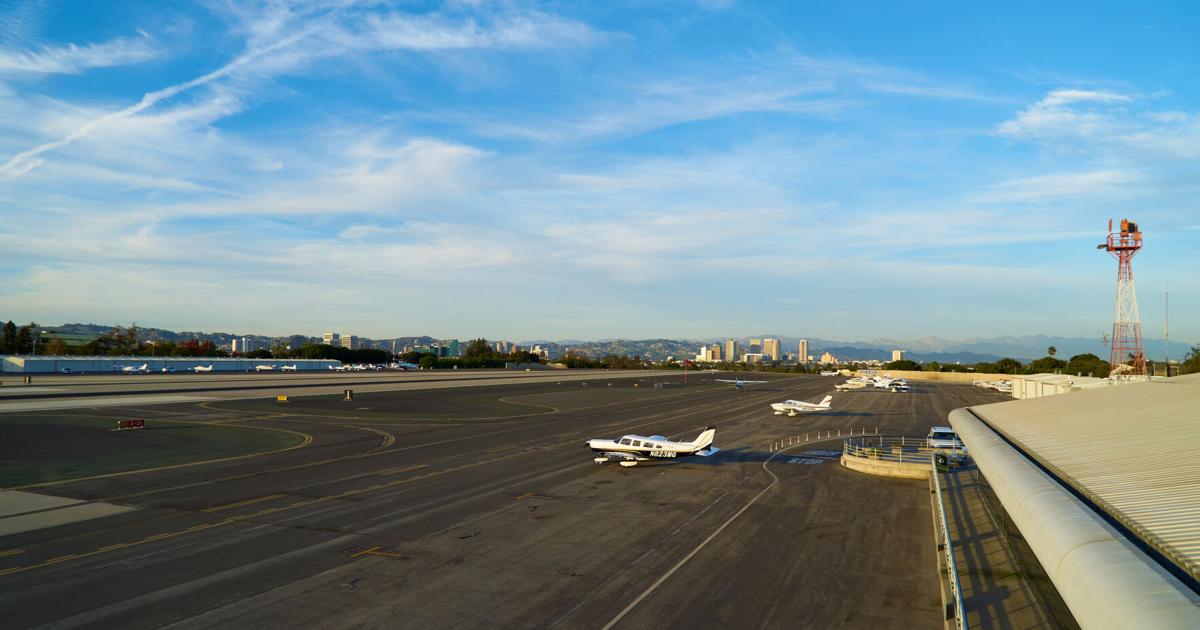
In December 2025, JSX launched scheduled flights from Santa Monica Airport to Las Vegas, utilizing 30-passenger turboprop aircraft. Following this, in January 2026, the airline introduced services to Scottsdale. This expansion took place after the City of Santa Monica granted JSX a business permit and lease without undergoing a California Environmental Quality Act (CEQA) review.
The Need for Environmental Oversight
City Manager Oliver Chi emphasized the importance of thoroughly reviewing aviation activities during the remaining operational years of the airport as part of the strategy to eventually close it. He stated that this careful evaluation is essential to comply with environmental regulations. Under California law, such evaluations fall under CEQA, which aims to assess and mitigate potential environmental impacts.
Understanding the Issues at Play
The ongoing discussions surrounding JSX’s operations are not about opposing advancements like the Great Park or the airport’s eventual closure. The focus is on ensuring proper environmental assessments are conducted, especially in light of the new scheduled services operating 30-passenger regional aircraft.
According to a 2017 Consent Decree with the FAA, Santa Monica must comply with federal grant assurances until 2028. One of these, FAA Grant Assurance 22, mandates fair treatment of all aeronautical users without requiring operational expansion.
Key Areas Requiring Further Study
The introduction of JSX’s flights raises several critical considerations that warrant further evaluation:
- Changes in Use and Intensity: The increased operational capacity may lead to heightened activity levels at the airport.
- Baseline Conditions: A clear understanding of existing environmental conditions is crucial.
- Cumulative Impacts: An assessment of how these new services impact the broader environment and surrounding communities.
- Ground-Level Effects: Evaluating potential effects on air quality and noise levels.
- Transport and Parking: Increased passenger traffic might strain ground transport and parking facilities.
- Fueling and Emissions: Addressing concerns about fuel management and vehicle emissions linked to increased airplane operations.
- Emergency Resources: Determining if current emergency response resources are adequate in the context of new operational demands.
Federal and State Compliance: A Dual Approach
It’s important to note that compliance with federal grant requirements and CEQA operates concurrently. Whenever the City exercises discretion to approve new leases or operational adjustments, CEQA provides the necessary framework for thorough environmental supervision, ensuring community safety and ecological integrity.
Looking Ahead: The Vision for Santa Monica
The City’s draft framework for the upcoming Great Park and its commitment to closing Santa Monica Airport by the end of 2028 are positive developments. However, transparency regarding airport operations and mitigation of their impacts—where legally permissible—are crucial for fostering public trust. As the city transitions toward airport closure and establishes the Great Park, adherence to both federal obligations and California environmental law will enhance this goal.
For further information on this and related topics, you can visit LC Defense.
By adhering to these guidelines and approaches, Santa Monica can navigate the complexities of increased aviation activity while remaining committed to environmental integrity and community welfare.
