

The Ongoing Struggle of California Wildfire Victims: A Call for Rebuilding Action
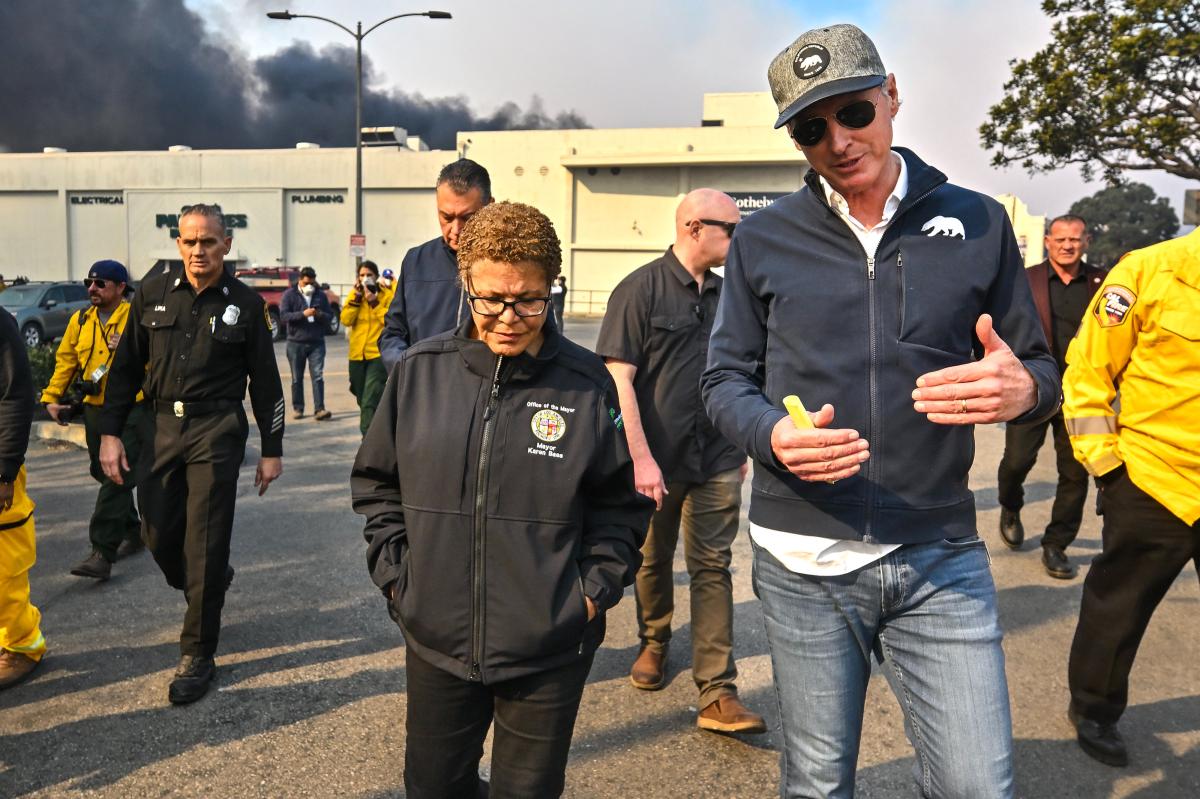
In 2022, devastating wildfires swept through California, claiming a staggering 13,000 homes. As residents grapple with the aftermath, promises from local and state officials fail to translate into action. Los Angeles Mayor Karen Bass stated, “We are 100% committed to getting this neighborhood rebuilt again,” echoing sentiments expressed by Governor Gavin Newsom, who pledged to address rebuilding with efficiency and streamlined processes. However, a year later, the reality tells a different story.
The Ground Reality: Delayed Rebuilding Efforts
Despite optimistic declarations, fewer than 30 homes have been rebuilt since last year’s catastrophic fires. Local resident Jim Cragg, who took proactive measures to protect his property with sprinklers, now leads a volunteer initiative to assist others in navigating the rebuilding process. He attributes the significant delays to California’s overwhelming bureaucracy, lamenting that it often takes months just to obtain permission to rebuild.
The Red Tape Trap
Once the fires subsided, many victims found themselves drowning in a sea of paperwork and regulations. Cragg articulates the frustration: “You start building on that house, and suddenly, there’s a permit issue. Do you shut down for five days?” This inefficiency has left thousands of families in limbo while thousands of homes await their turn for reconstruction.
While Mayor Bass asserts that her office has “simplified” the permitting process, many victims disagree. “Record speed” for politicians often translates into painful delays for families living temporarily in hotels, desperately hoping for a return to normalcy.
Compounding Challenges: Bureaucratic Obstacles
The challenges extend beyond just obtaining permits. Homeowners face an intricate web of building requirements, including the California Green Building Code, which dictates a multitude of regulations. The guidelines cover everything from toilet water usage to mandates for electric car charging stations, creating an overwhelming hurdle for fire victims already traumatized by their losses.
Cragg points out that this excessive bureaucracy often leads homeowners to refrain from even applying for permits. “Financially, it doesn’t make sense to try,” he explains, highlighting the fear of incurring additional debt or complications that could result in significant financial loss.
Struggles With Infrastructure
Previous Californian policies may have unintentionally exacerbated the wildfire threat. Cragg recalls that during the fires, heavy machinery was restricted in certain areas to protect “endangered plants.” Residents also observed that the reservoir, pivotal for firefighting efforts, was drained for maintenance, leading to inadequate water supply during crucial moments. “Fire hydrants… some worked, most didn’t… The reservoir was empty,” claims Cragg, emphasizing the systemic failures that contributed to the disaster.
Continued Financial Burden
In addition to bureaucratic obstacles, property owners of vacant lots now contend with continued tax obligations. While officials claim a tax reduction, with current property taxes set at two-thirds of pre-fire amounts, many homeowners see this as a slap in the face, as their properties lie in ruins.
A Need for Urgent Action
Mayor Bass herself acknowledged the pervasive dysfunction in government operations, admitting, “There is dysfunctional levels of government everywhere.” However, many argue that the situation in Los Angeles is particularly concerning. “The Pacific Palisades is a war zone,” Cragg asserts, calling for urgent leadership and a shift away from committee-based decision-making.
Conclusion
As the community of Pacific Palisades continues to pick up the pieces, the need for prompt and effective action grows increasingly urgent. Fire victims deserve more than empty promises; they need realistic solutions and swift rebuilding processes to restore their lives and communities. As the situation stands, the calls for a decisive shift in approach resonate louder than ever.
For regular updates on California wildfire recovery and reconstruction efforts, you can follow local news and related articles covering this ongoing situation.
