

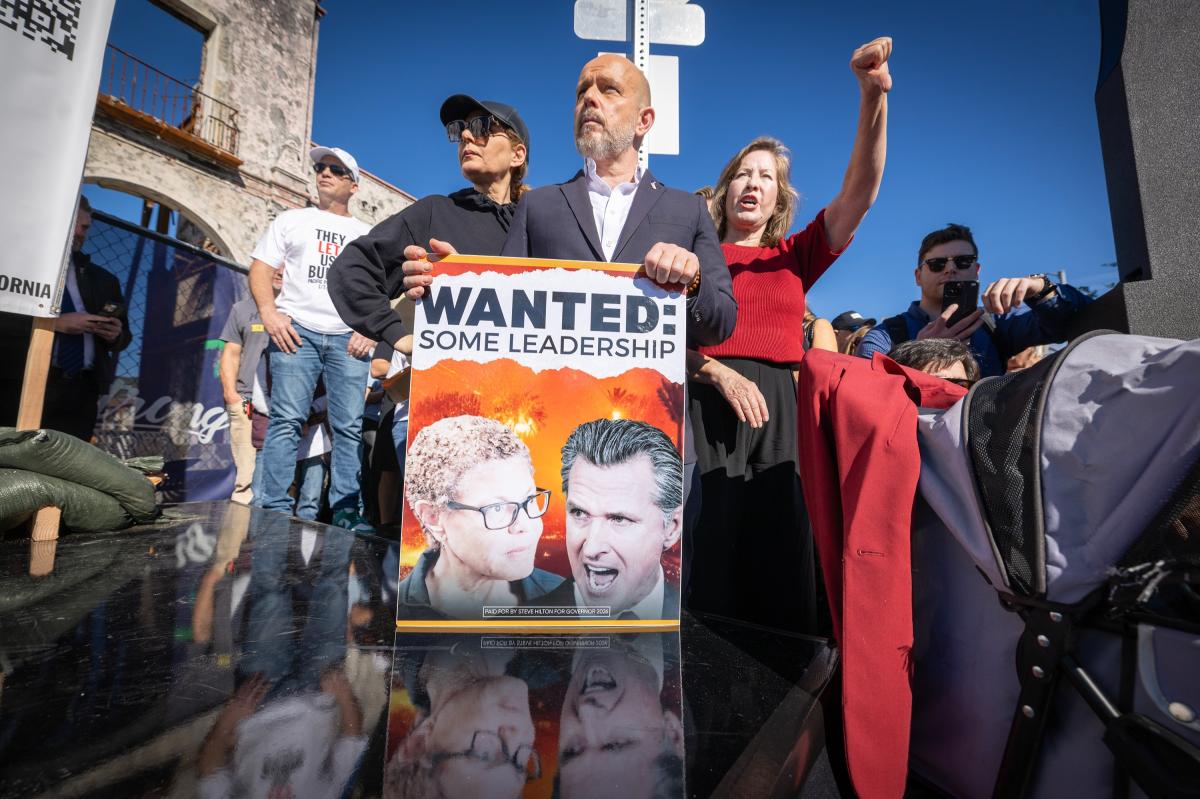
Tension Grows in California Gubernatorial Race as Democratic Field Splits
The race for California governor is heating up, with eight Democratic candidates vying for attention as the coalition backing outgoing Governor Gavin Newsom begins to fracture. This division among Democrats raises concerns that the party could face an unexpected setback in November, potentially leading to a Republican victory.
A Crowded Democratic Landscape
Despite efforts from party leaders to consolidate support and urge some candidates to withdraw, the Democratic field remains crowded as the filing deadline approaches. The warning was clear: a fragmented Democratic vote could allow two Republican candidates to advance to the general election, a consequence of California’s unique “jungle primary” system. Under this system, all candidates appear on the same primary ballot, regardless of party affiliation, with the top two advancing to the general election.
Risks of the “Top-Two” Primary System
California instituted the top-two primary format in 2010 to diminish the influence of party machines and promote more moderate candidates. However, this system often complicates intra-party dynamics, leading to scenarios where candidates must guard against electoral pitfalls. The Democratic Party has faced similar situations in the past; in the 2014 race for state controller, a crowded primary nearly resulted in a Republican-only general election, a scenario they narrowly avoided.
Current Polling Dynamics
Recent polling indicates a competitive landscape among Democratic candidates, with several closely vying for attention. Notably, Republicans Steve Hilton and Chad Bianco appear to be leading the pack, creating further tension for their Democratic counterparts. Each Democratic candidate represents varying factions within the party, showcasing unique support bases that complicate the potential for collaboration.
Key Democratic Candidates
- Matt Mahan, Mayor of San Jose, appeals to moderate, tech-friendly voters.
- Eric Swalwell is drawing progressive supporters with a staunch anti-Trump message.
- Katie Porter attracts a similar base but does so with her Southern California perspective.
- Betty Yee, former state controller, is appealing to moderate Democrats and Asian-American voters.
- Antonio Villaraigosa and Xavier Becerra are aiming for Latino support, with Becerra also garnering union endorsements.
Each candidate believes they can remain viable in the race despite the crowded field, yet the dynamics of a divided party make things precarious.
Complications from Divided Bases
Recent trends indicate a growing divide between the Democratic activist base and the broader Democratic electorate. At a recent party convention in San Francisco, delegates demonstrated excitement for candidates like Becerra and Yee, despite their lower polling numbers among voters statewide. This divergence reflects the complexity of the current political landscape and the tensions that could hinder unity leading into the primaries.
Republican Landscape
On the Republican side, Hilton and Bianco are currently splitting their support, each attracting approximately 15% to 20% in early polls. This split is significant given the Democratic field’s further division; it’s conceivable that one or both Republicans could advance to the general election with a vote share as low as 20% or less—a troubling prospect for Democratic leaders.
Prospects for the General Election
Despite these challenges, it remains likely that at least one Democrat will advance to the general election given California’s overwhelming Democratic voter registration advantage. However, the critical question looms: What type of leader can unite the disparate factions within the party around a cohesive platform of popular issues?
As the primaries approach, the state’s political outlook remains uncertain. California Democrats must work diligently to avert internal conflicts while considering the broader implications of their divided coalition. The outcome of the primaries could significantly impact the future leadership of the state.
Conclusion
With the primary elections looming, California’s political landscape is increasingly complex. The interplay between a crowded Democratic field and the potential for a Republican upswing sets the stage for a dramatic electoral contest. The upcoming months will reveal whether Democrats can coalesce under a unifying figure prepared to tackle the challenges ahead.
