

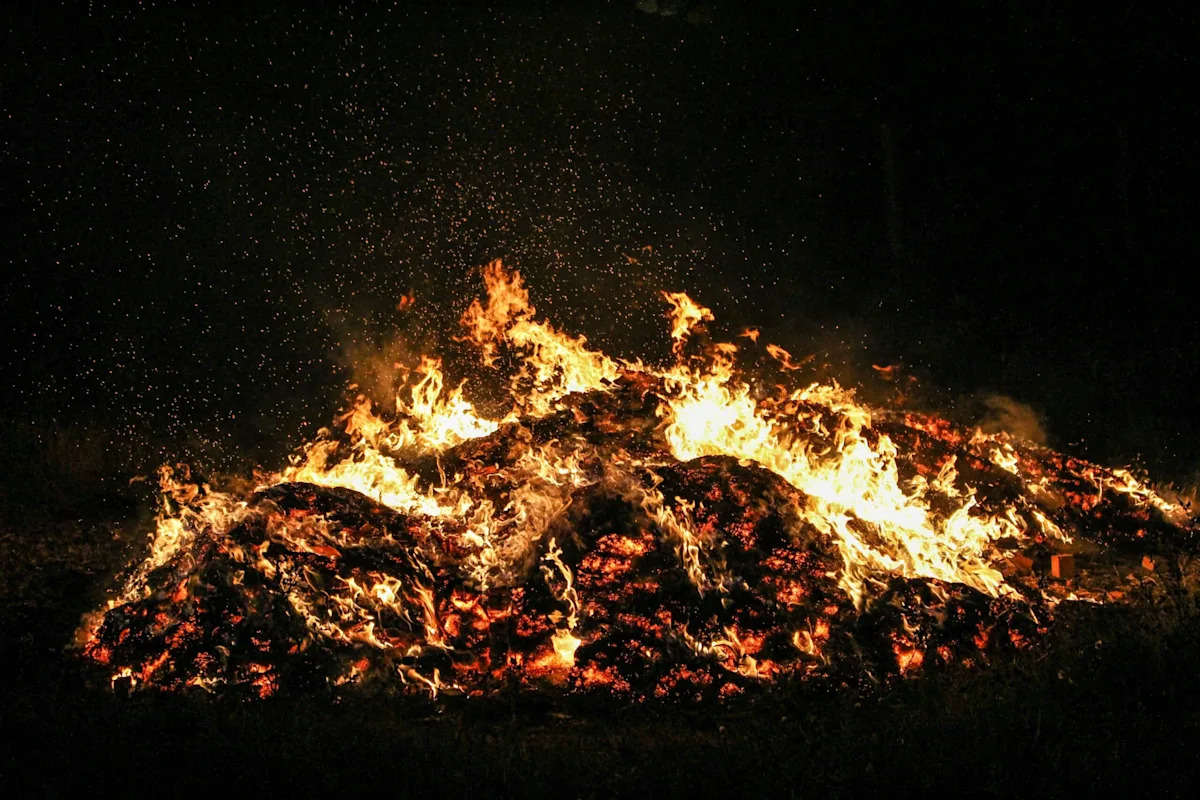
Record-Breaking Heat in California and Texas Raises Wildfire Concerns
Introduction
This past weekend, California and Texas experienced unprecedented warmth as temperatures soared into the 90s. These soaring temperatures, coupled with lower than usual snow levels in the Western mountains, have significantly heightened the risk of wildfires in the region.
Understanding the Impact of High Temperatures
Record Heat Waves
Parts of California and Texas reported record-breaking temperatures over the weekend. A surge in heat like this is not just uncomfortable; it carries severe implications for environmental and public safety. When temperatures reach such highs, the risk of wildfires escalates dramatically due to the dry conditions.
Low Snowpack Levels
Adding to the concern is the current condition of the snowpack in Western mountain regions. Snow levels are uncharacteristically low this spring, reducing the available spring water. This dwindling water supply contributes to drier vegetation, an important factor in the ignition and spread of wildfires.
The Wildfire Risk Factor
A Perfect Storm for Wildfires
When extreme heat meets low moisture levels, it creates a “perfect storm” for wildfires. Vegetation, which typically requires moisture to thrive, has a higher chance of becoming kindling under these dry and hot conditions. According to the National Interagency Fire Center, areas with low snowpack and high temperatures often report increased wildfire incidents.
Prevention is Key
With the wildfire season looming, understanding how to mitigate fire risk is essential. Communities can take proactive steps, such as creating defensible spaces around homes and adhering to fire bans when necessary. Simple measures like clearing away dry leaves and branches can significantly help in reducing fire risks.
Conclusion
As California and Texas face record-breaking heat and low snow levels, the heightened wildfire risk cannot be ignored. It emphasizes the importance of awareness and preparedness in safeguarding communities. For more information on wildfire safety and prevention, check out the Forest Service website, which offers guidelines to individuals and communities facing this growing threat.
Further Reading
- National Weather Service – Heat Safety
- CalFire – Wildfire Preparedness
- Texas A&M Forest Service – Fire Prevention Tips
By staying informed and prepared, we can all play a role in reducing the impact of wildfires in our communities.
