

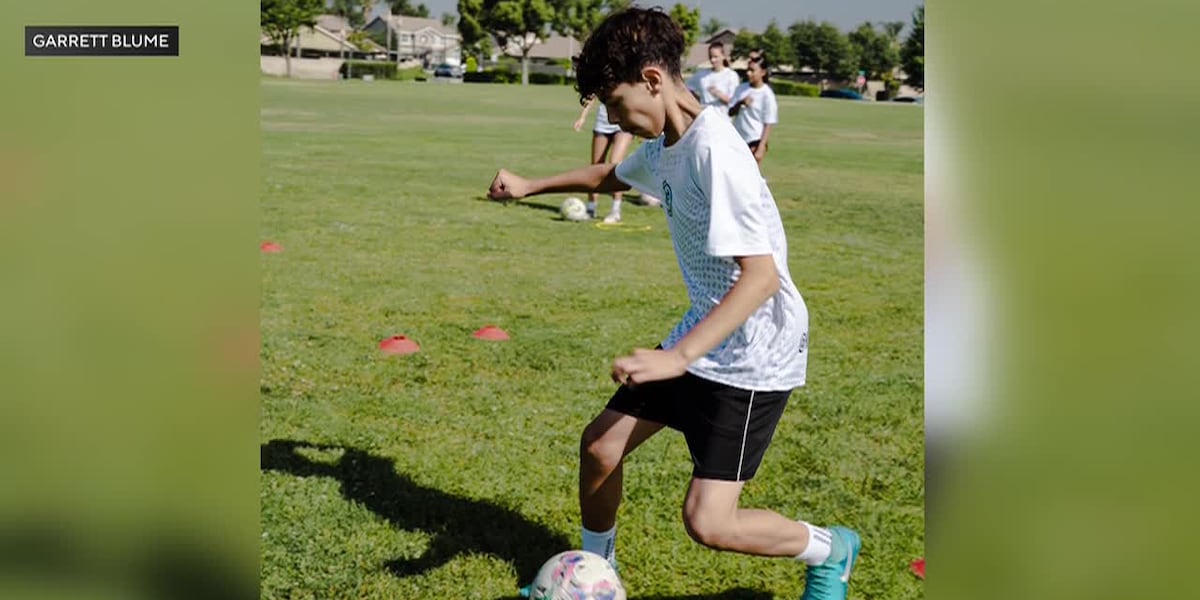
Sudden Loss of Young Soccer Player Highlights Risks of Cardiac Events in Youth Sports
SAN BERNARDINO, Calif. – The community of Southern California is in mourning following the unexpected passing of 12-year-old soccer player Adriel Enriquez, who tragically collapsed during practice last week. This heartbreaking event has left coaches, teammates, and family members in shock and serves as a sobering reminder of the potential risks young athletes face.
A Promising Young Talent
Adriel, described as a vibrant and healthy child, was a dedicated soccer player who trained rigorously, committing to improvement nearly every day. “Completely caught us all off guard,” stated soccer coach Garrett Blume, a former professional in the sport. Adriel’s positive attitude and work ethic made him a cherished member of the team. “He was sweet, respectful, and always looking out for others,” Blume recalled, highlighting the impact Adriel had on those around him.
The Incident
During a recent practice, Adriel suddenly experienced trouble breathing before collapsing. Despite immediate medical attention, he went into cardiac arrest and passed away. His family was confident that he had no known medical issues prior to this tragic event.
Understanding Cardiac Arrest in Young Athletes
The unsettling incident has prompted health professionals to discuss the rarity yet seriousness of cardiac arrests in young athletes. Dr. Ilam Shapiro, a pediatrician, emphasized that such events, while uncommon, can occur in youth sports. According to The Mayo Clinic, approximately one in every 50,000 to 80,000 young athletes may die suddenly from cardiac-related incidents each year.
Dr. Shapiro stresses the importance of sharing any family history of heart issues with the child’s healthcare provider, as this can significantly aid in prevention. Early detection methods such as an EKG or an echocardiogram can help identify potential problems that may put young athletes at risk of sudden cardiac events.
Community Response and Support
As the Inland Empire soccer community gathers to honor Adriel’s memory, the love for the sport fosters a sense of unity and support for his grieving family. Coaches, parents, and teammates alike are committed to standing by his family during this challenging time, assuring them that they are not alone. “We’re going to be there for them no matter what, and better days are going to come,” Coach Blume expressed, reflecting the solidarity of a community in grief.
This tragic event serves as a poignant reminder of the importance of awareness regarding health risks associated with youth sports. Families and coaches should work together to foster a safe environment for young athletes, ensuring they can participate in sports while prioritizing their health.
For more information on how to keep young athletes safe, consult resources available through HealthyChildren.org, and always consider scheduling regular health check-ups to monitor their well-being.
This article underscores both the emotional depth of a community grappling with loss and the critical conversations that need to occur in youth sports regarding health and wellness.
