

California’s Sierra Nevada Faces Rapid Snowpack Decline Amid Extreme Heat Wave
A Warm Winter and Its Consequences
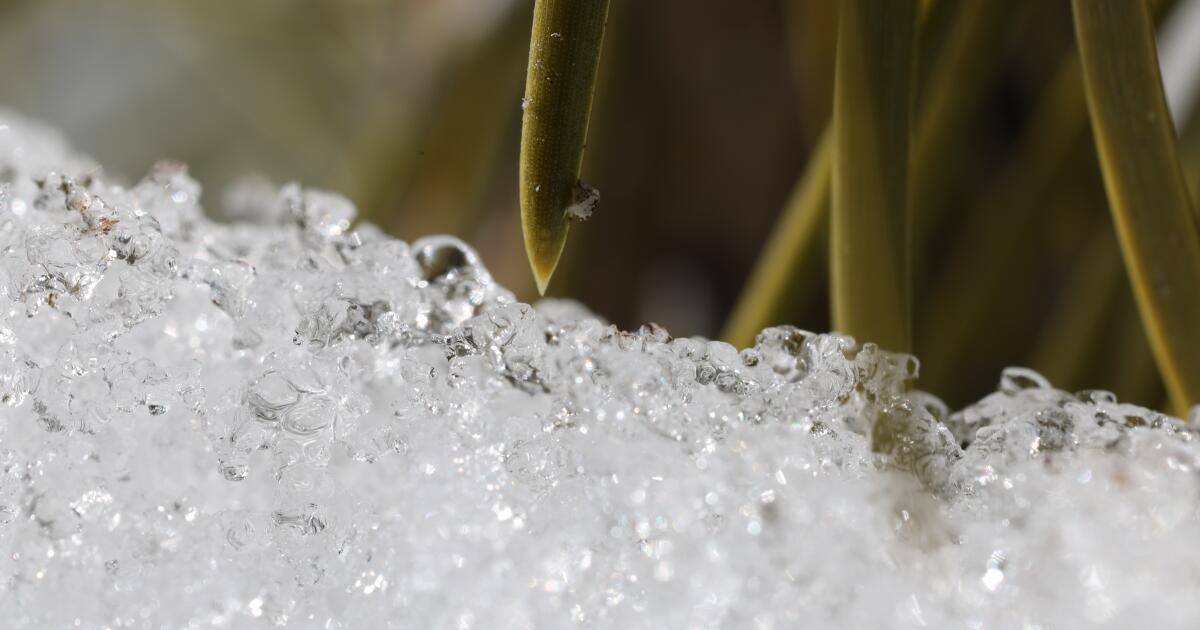
California’s Sierra Nevada mountains are grappling with an alarming reduction in snowpack, currently at just 48% of the average for this time of year, down from 73% in late February. This drastic decline is exacerbated by an extreme heat wave that is accelerating the melting of snow, putting significant stress on the state’s water resources.
Current Conditions in the Sierra Nevada
Water expert Newsha Ajami recently noted the stark contrast in skiing conditions near Lake Tahoe. After a promising start to the month, the snow cover has rapidly diminished, with many ski lifts closing due to bare terrain. “There was a lot of bare land, bare mountain with no snow,” she observed, describing the experience as “kind of scary.” For California, this loss is critical, as the Sierra snowpack typically provides 30% of the state’s water supply.
Impact of Climate Change on Snow Patterns
The recent mild winter in the West has shifted precipitation patterns, with an increase in rain replacing snowfall due to shifting climate dynamics. Research indicates that human-driven climate change is elevating average snow lines and altering runoff timing, leading to an increase in extreme heat waves across the region.
The National Weather Service has warned that this week’s exceptional heat—expected to be 15 to 30 degrees above normal—will impact areas including Los Angeles, Palm Springs, Fresno, and Phoenix.
Rising River Levels and Safety Concerns
The rapid melting snow, combined with the impending heat wave, poses serious risks. It will lead to rising water levels in rivers, creating swift currents and hazardous conditions. There is a significant discrepancy in snowpack levels across the Sierra region; the southern Sierra is at 71% of average, while the northern section plummets to just 28%.
Reservoir Status Amid Snow Shortage
Despite these concerning conditions, the overall precipitation this winter has been slightly above average statewide, and California’s major reservoirs are currently at 122% of their average capacity. However, Ajami cautions that the immediate water situation may be stable, but the long-term outlook is uncertain.
The Future of California’s Water Management
California’s century-old water infrastructure relies heavily on natural snow storage and gradual melting into reservoirs. Ajami emphasizes the urgent need to rethink and redesign these systems in light of changing climate conditions.
Recommended Solutions
- Revise Dam Operations: Adjusting how dams function to accommodate new flow patterns.
- Stormwater Management: Directing stormwater to replenish groundwater supplies.
- Enhance Natural Landscapes: Improving forest and mountain meadow ecosystems to optimize water absorption and storage.
Broader Water Resource Challenges
In addition to the Sierra Nevada challenges, the Colorado River—another critical water source for Southern California—has experienced a steady decline attributed to a long-lasting megadrought worsened by rising temperatures. The snowpack in the upper Colorado River watershed stands at just 59% of average, further threatening the already declining reservoirs.
The Effects of Extreme Heat on Snow and Soil
Ajami notes that extreme temperatures not only hasten snowmelt but also drive sublimation, where snow turns directly into vapor. Additionally, hot conditions can dry out mountain soils, causing snowmelt to be absorbed before reaching rivers, compounding the challenges faced by water management systems.
The Signature of a Warming Climate
As climate scientist Daniel Swain points out, this season has presented the “classic signature of a warming climate”, characterized by less snow cover. Whether it falls as rain or rapidly melts, the implications for future water supply are significant.
Conclusion
The current state of California’s Sierra Nevada snowpack and the challenges posed by climate change highlight the urgent need for re-evaluation of water management strategies. As the region confronts ongoing extreme weather events, innovative approaches will be essential to ensure a sustainable water future.
For more insights and updates on California’s water issues and climate response strategies, you can follow related articles on Scientific American and National Weather Service.
