

Voters Urged to Boycott USC Gubernatorial Debate Over Omitted Candidates
Democratic legislative leaders are calling for voters to boycott the upcoming gubernatorial debate at the University of Southern California (USC) if the institution fails to invite all leading candidates. This plea comes amid accusations of bias in the selection process for participants in the forum set for March 24.
Controversy Over Candidate Selection Criteria
On Monday evening, a letter was sent by Assembly Speaker Robert Rivas (D-Hollister), Senate President Pro Tem Monique Limón (D-Goleta), and various caucus leaders to USC President Beong-Soo Kim. The letter condemned the exclusion of candidates of color, stressing that the criteria employed by USC favored certain candidates. They stated, “The outcry over this debate is deafening…USC has doubled down.”
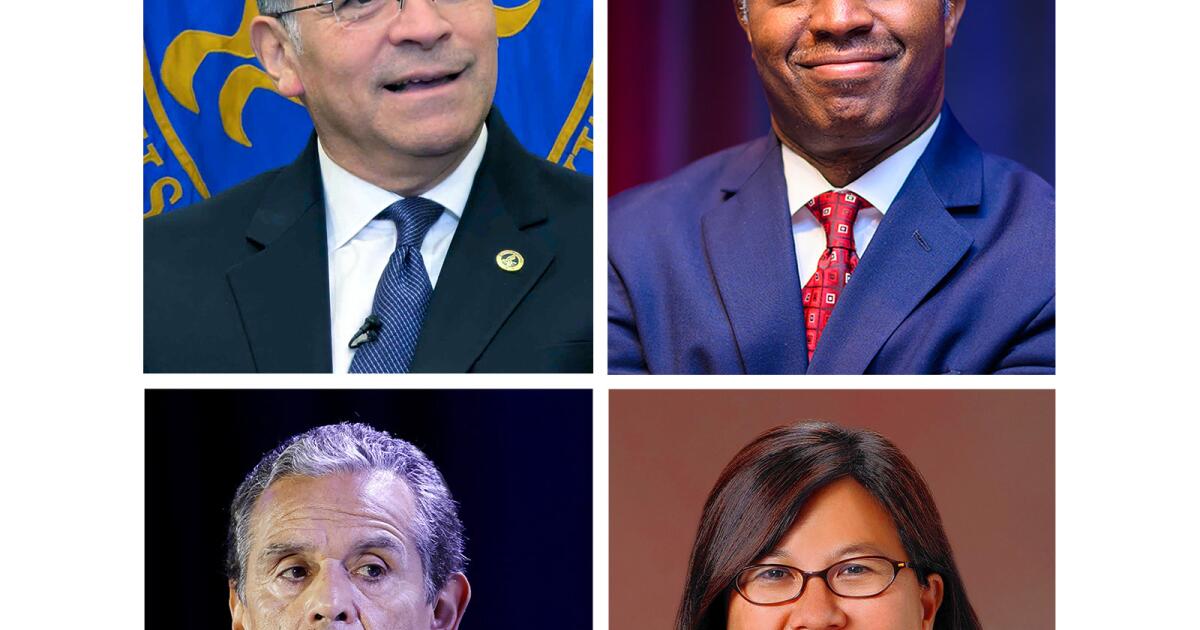
Critics have raised concerns over how San José Mayor Matt Mahan, a white candidate not widely recognized and polling poorly, managed to secure a spot while notable figures such as former U.S. Health and Human Services Secretary Xavier Becerra and former Los Angeles Mayor Antonio Villaraigosa were excluded.
The letter highlights a potential bias, stating, “The university’s selection process…has delivered a result that is biased,” prompting calls for a reassessment of the selection criteria for the debate.
Calls for Accountability from USC
Mike Murphy, a co-director of the USC center hosting the debate, has also faced scrutiny for his involvement with a committee supporting Mahan. He has claimed to have no influence over the debate’s organizational aspects and has requested unpaid leave to avoid conflicts.
In response to the allegations, USC and its co-sponsors, including KABC-TV Los Angeles and Univision, defended their selection criteria. They argued that the methodologies used were standard practices for nationwide debates, combining polling and fundraising metrics.
Responses From Excluded Candidates
In the wake of their exclusion, the prominent Democrats who are not participating—the leaders from various community backgrounds—have urged their peers to reconsider their participation. While some, including Rep. Eric Swalwell and Rep. Katie Porter, expressed disappointment but chose to continue with the debate, they have acknowledged the need for transparent and fair criteria.
Swalwell articulated his concern via social media, suggesting that debate hosts should utilize “fair, objective, and honest criteria.” Meanwhile, Porter echoed similar sentiments, emphasizing that candidates and voters deserve clarity on the decision-making process.
Future Implications for California Politics
With the debate less than two months before ballots are mailed out to California voters, the fallout from this controversy brings critical questions to the forefront regarding equity and representation in the political sphere. As discussions evolve, many are now weighing their options on whether to engage with the event, which has now become a focal point for broader conversations about fairness in the electoral process.
For ongoing updates about the debate and implications for California’s gubernatorial race, visit the official USC website.
By shining a light on these pivotal issues, California voters have a chance to voice their opinions on candidate representation and the future of political discourse in the state.
