

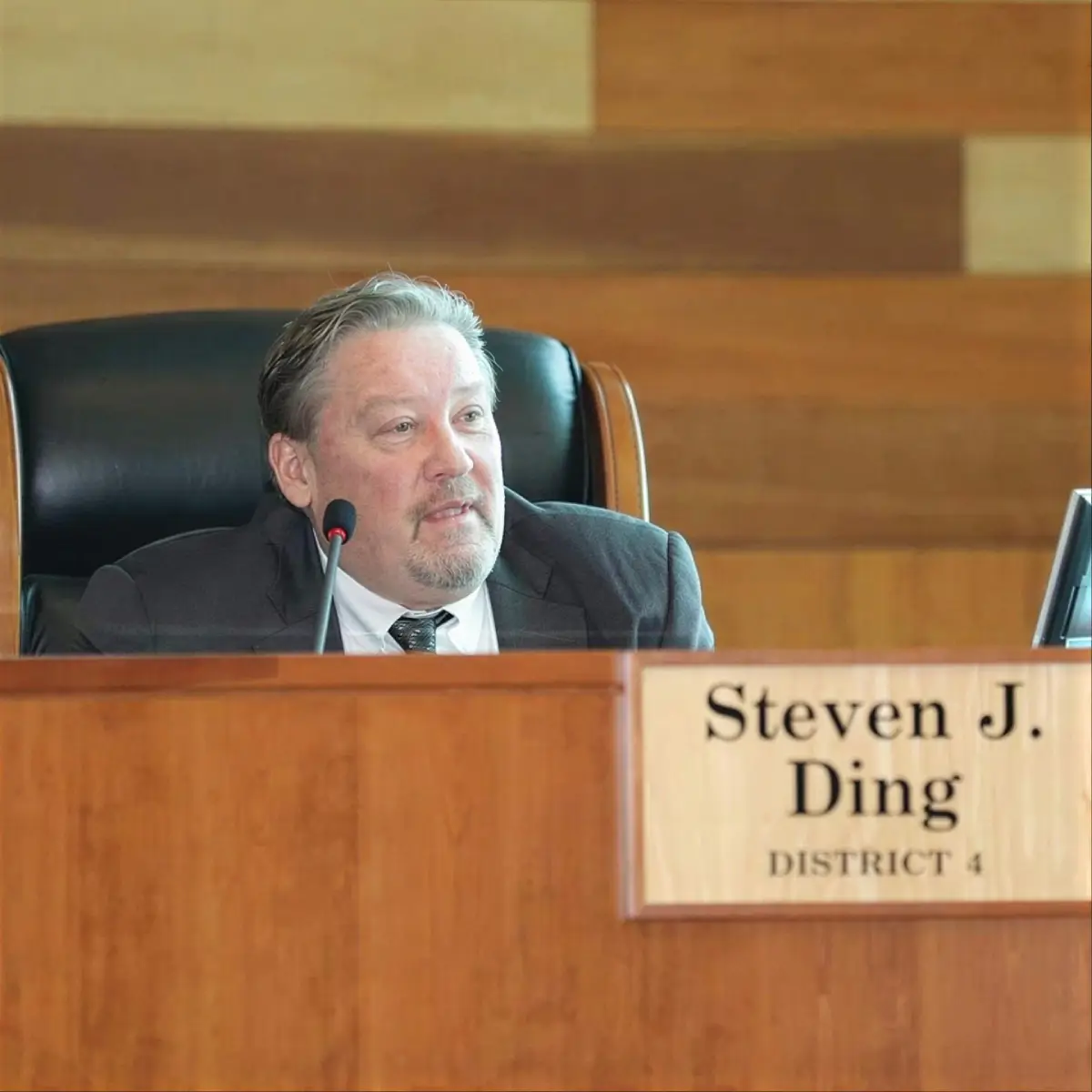
Steve Ding Talks about the Homeless Crisis
Few issues generate as much frustration and heartbreak as homelessness in San Joaquin County. From encampments near waterways to individuals struggling with addiction and mental illness on city streets, residents say they want compassion—but also order and accountability.
In a recent interview, Supervisor Steve Ding said the county must take a tougher, more structured approach that pairs help with clear expectations. “We cannot allow unsafe, unsanitary encampments to take over our public spaces,” Ding said. “At the same time, we must offer real pathways to treatment, shelter, and recovery for those who are ready to get back on their feet.”
Ding supports policies that prioritize public safety while expanding access to addiction treatment, mental health services, and job training. He has also been critical of local governments that simply tolerate large encampments, arguing that this enables suffering instead of solving it.
“Our goal should be clear,” Ding said. “Reduce homeless camping to zero, restore our parks and neighborhoods, and help people rebuild their lives—not leave them on the streets.”
Interview with Steve Ding on Homelessness
San Joaquin Messenger:
Thank you for joining us. How do you define the county’s approach to homelessness—what’s the goal you’re working toward?
Steve Ding:
Homelessness isn’t just about housing—it’s about health, safety, and getting people the services they need so they can rebuild their lives. Our goal is to move people from crisis to stability by connecting outreach, behavioral health, shelter, and permanent housing in a coordinated way so we’re solving root problems, not just moving people from one street to another.
San Joaquin Messenger:
The Board recently backed several initiatives for Lodi and countywide services. What concrete projects are you supporting to address homelessness now?
Steve Ding:
We’re investing in a full continuum of care. That includes the SJ BeWell campus — a major behavioral health and supportive housing investment that brings outpatient services, crisis stabilization, residential treatment, and supportive housing together to create real pathways off the street. We also supported the county’s partnership with Lodi on “Reimagined Housing on Main,” transitional units and expanded access center services so people can get stabilized care and housing referrals instead of landing in emergency roomsYahoo+1.
San Joaquin Messenger:
Outreach and diversion programs are often mentioned. What’s been working in San Joaquin County?
Steve Ding:
Our SJ CARES outreach teams have had a real impact — in just over a year they’ve made thousands of contacts, engaged hundreds of individuals, linked many to services, and housed dozens so far. Those boots on the ground teams are how we find people, build trust, and move them into treatment or housing when they’re ready.
San Joaquin Messenger:
Some critics say funding from the state hasn’t produced results. How do you respond?
Steve Ding:
I’ve said publicly that throwing money at the problem without accountability or local coordination isn’t enough. We’re focused on targeted investments that create measurable outcomes — beds at access centers, transitional housing with wraparound services, and sobering centers so first responder interactions end in care, not repeat crises. When programs are designed and managed locally with clear metrics, state dollars actually produce results rather than becoming wasteful spending.
San Joaquin Messenger:
How do you balance compassion for individuals with public safety and quality of life concerns from residents and businesses?
Steve Ding:
Compassion and accountability go hand in hand. We should provide treatment and shelter to those who need it but also enforce laws against criminal behavior and create sobering and treatment options, so people aren’t cycling through emergency services. The goal is to protect neighborhoods while ensuring vulnerable people get the care they need — that’s what our access center expansions and targeted enforcement under policies like Proposition 36 aim to do.
San Joaquin Messenger:
What role should supportive housing play, and how fast can the county realistically create units?
Steve Ding:
Supportive and transitional housing are essential. The Reimagined Housing on Main project and targeted allocations for respite and transitional beds show we can move quickly when there’s a plan, partnerships, and funding. Realistically, projects take time — leasing, building out services, and staffing — but with focused efforts we can get hundreds of beds and services online within a few years and scale from there.
San Joaquin Messenger:
How does the county ensure people actually access services once they’re offered?
Steve Ding:
Through integrated service delivery — collocating behavioral health in access centers, connecting outreach teams to case managers, and making sure referrals are warm handoffs, not paper slips. We’ve seen this with the access center model where police and EMS can bring people directly to a place that provides triage, sobering, and connection to longerterm care and housing.
San Joaquin Messenger:
What metrics will you use to measure success on homelessness?
Steve Ding:
Concrete, public metrics: outreach contacts, individuals engaged, referrals completed, number of people placed in temporary or permanent housing, reductions in repeat emergency calls, and recidivism in street homelessness. We also track program timelines and cost per housing placement so we can compare approaches and scale what actually works.
San Joaquin Messenger:
For residents who want to help or stay informed, what can they do?
Steve Ding:
Get involved through local nonprofits and volunteer programs, participate in community planning meetings, and support coordinated outreach by reporting encampments to SJ CARES so teams can respond. Stay informed about county projects and attend town halls — community input helps shape how we prioritize and implement solutions.
San Joaquin Messenger:
Any closing thought on a path forward?
Steve Ding:
We need pragmatic, accountable, and compassionate action. By building integrated care campuses, expanding transitional housing, supporting outreach teams, and insisting on measurable outcomes, San Joaquin can make real progress. It takes partnerships between county government, cities, nonprofits, and residents — and that’s exactly the roadmap we’re following. My belief is you can’t have compassion without responsibility. There’s a difference between feeding someone on the side of the street and leaving them to die with the chance of taking a fentanyl pill. That’s not compassion. It’s cruelty.
