

Rebuilding California: A Surge in Construction Jobs
A New Path After Loss
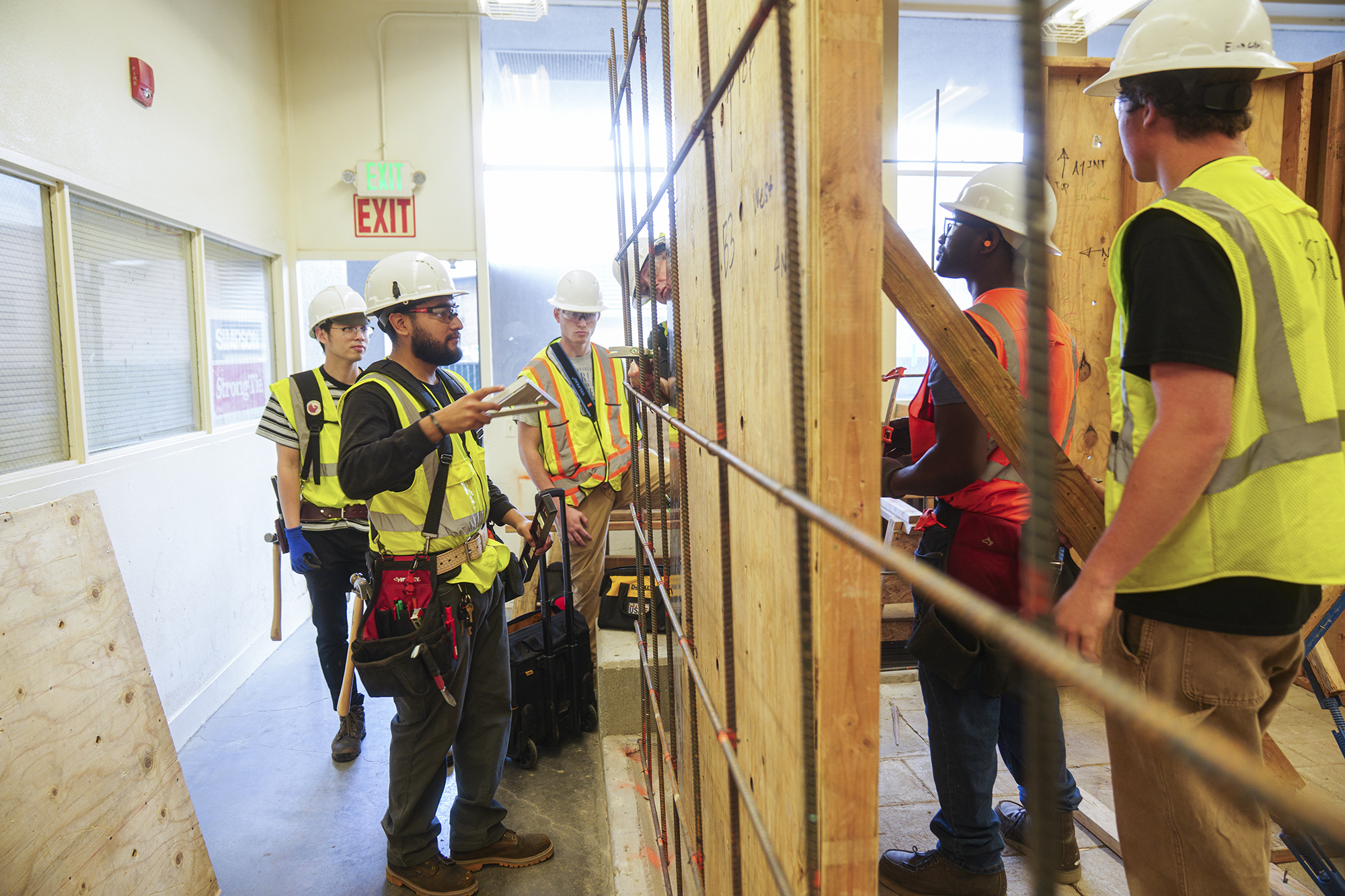
In an unexpected twist of fate, Hudson Idov discovered his passion for construction after a personal tragedy. His home in Los Angeles was destroyed in the Palisades Fire during his senior year of high school. This life-altering experience pushed him to enroll in the carpentry program at Los Angeles Trade-Technical College less than a week after graduation. His aspirations are clear: to launch a construction company and help rebuild the affected Palisades community. “We have big, big 10-year plans,” he shared during class.
The Demand for Construction Workers
The recent wildfires in Los Angeles have exacerbated an already pressing issue: a shortage of qualified construction workers. Prior to the Palisades and Eaton fires, the city faced a deficit of about 70,000 skilled laborers. Following the destruction of thousands of homes and businesses due to these fires, that number has surged to over 100,000. According to state analysis, median pay for construction workers is just under $30 an hour, depending on experience and job roles.
Enhanced Training Initiatives
Recognizing the urgent need for skilled workers, the state allocated $5 million across five Los Angeles community colleges last year for training programs focused on recovery from the fires. Los Angeles Trade-Technical College received its share of the funding, which will be used to improve supplies and develop new curricula aimed at this high-demand industry. Additionally, Pasadena City College is utilizing part of the funds to construct a 55,000-square-foot training center.
Building a Stronger Community
Idov’s hands-on education is vital for the reconstruction efforts in fire-prone areas. He currently resides in an AirBnB with limited belongings, but his focus remains on learning skills necessary for construction, including building concrete foundations and framing structures. His instructor, Jaime Alvarez, emphasizes the challenges posed by extreme heat, which can make concrete brittle and unstable, necessitating cautious use of the material.
Financial Challenges in Education
The carpentry program at Los Angeles Trade-Technical College hopes to counteract financial constraints with state funding, allowing for better supplies, including concrete for construction practice. Even with a substantial budget of over $10 million for the program, most funds are tied to staff salaries, leaving only $575,000 for materials.
Despite the recent assistance, complications arose when a $20 million federal grant aimed at supporting construction programs was significantly reduced, creating further challenges for aspiring students.
Challenges to Graduation Rates
While many students at Los Angeles Trade-Technical College aspire to achieve certificates and degrees in construction and maintenance, graduation rates reveal a stark reality. Only around 33% of students who began programs in 2021 completed their goals within four years. Factors contributing to this include the demands of balancing education, work, and family responsibilities, particularly for low-income students.
The Reality of Construction Education
The hands-on nature of construction training is appealing to many, with some certifications leading to lucrative jobs paying over $40 an hour. However, it is essential for students to grasp that there is more to the field than just wielding tools. According to Nicole Jordan, a carpentry instructor, “We do a lot of math and a lot of book work.” Students must gain proficiency in reading blueprints and understanding local building codes.
Fostering Community Among Students
Despite the challenges, camaraderie flourishes among diverse students in construction programs. To uplift morale, Jordan’s class has a spirited cheer: “We the best,” followed by a loud, unified “Carpentry.” This community support is crucial as they move forward in their educational journey.
Conclusion: A Future in Construction
As Los Angeles continues to grapple with the impacts of recent natural disasters, the need for skilled construction workers remains crucial. Programs at institutions like Los Angeles Trade-Technical College not only provide immediate job training but also contribute to long-term recovery efforts in affected communities. Through advocacy, education, and their dedication to rebuilding, students like Hudson Idov are not only preparing for careers but also laying the groundwork for a resilient future.
