

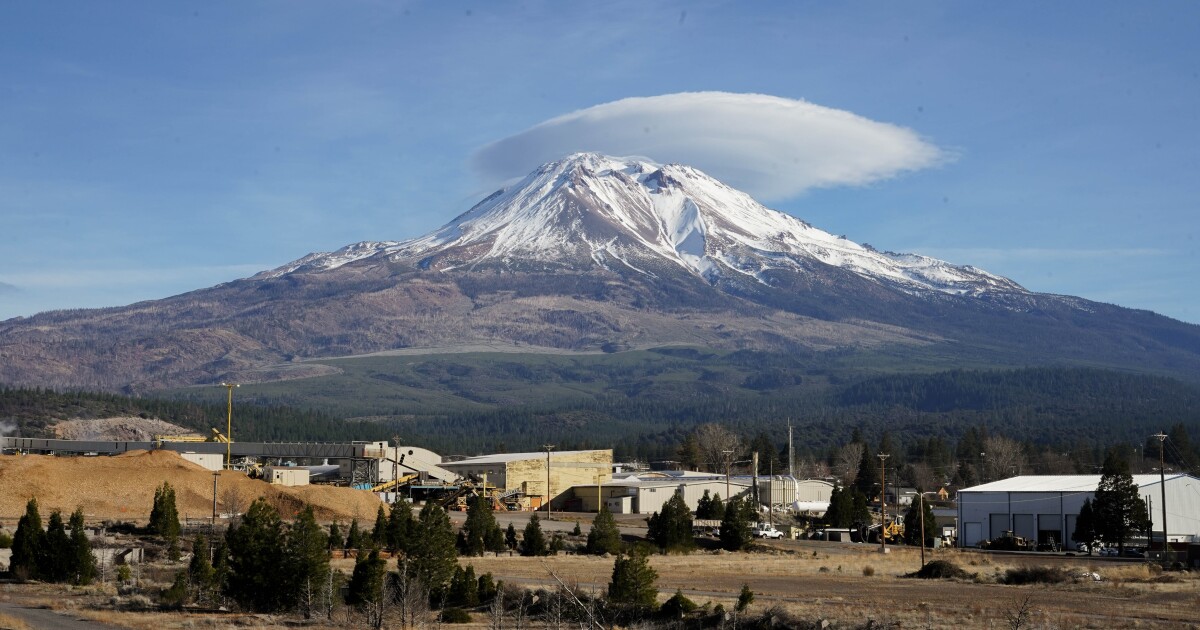
The Impact of Mill Closure on Weed, California: A Community’s Resilience
In early December, the small town of Weed, California faced a significant blow as the Roseburg Forest Products mill permanently shut its doors, affecting more than 140 workers, including 22-year-old Noah Simonet. Just weeks before this unexpected closure, Simonet and his fiancée, Carly Turner, were preparing for the arrival of their first child and had begun saving for a home. However, the sudden job loss has forced them to reassess their future.
Job Landscape in Siskiyou County
Weed boasts a rich history in the timber industry, having been established by timber entrepreneur Abner Weed in 1897. At its peak, the town’s veneer plant was the largest in the world, employing around 1,700 workers. However, in recent years, the timber industry has declined sharply, leading to a significant contraction in local employment opportunities. For individuals like Simonet, who do not hold a college degree, finding lucrative work in Siskiyou County has become increasingly difficult.
After the mill closure, Simonet described his job search as “sad,” noting that few positions offer comparable wages. The loss of the mill, an integral part of the local economy, not only impacts families like Simonet’s but also creates a ripple effect across various sectors, including grocery stores and schools.
Community Challenges and Responses
Carly Turner expressed the devastating shift their lifestyle underwent following the mill’s closure. “Before the mill shut down, we’re like, ‘Okay, we’re stable. We can buy food, everything’s great,’” she shared, underscoring how quickly things changed. For the residents of Weed, the closure means navigating uncertainty amid an already declining population, which has dropped from over 3,000 in 1960 to around 2,600 in 2024.
The Siskiyou Economic Development Council highlighted that while the loss of 140 jobs may seem trivial for a larger corporation, in a small town, such closures can reshape the entire employment landscape. This ongoing contraction has created a dire situation for many families.
The Strength of Community
Despite these challenges, residents of Weed have consistently demonstrated resilience. Following the announcement of the mill’s closure, local citizens quickly mobilized to support affected workers. AJ Brown, from the Siskiyou Economic Development Council, noted how the community’s strength shone through in the wake of adversity. “It’s almost like we’ve been trained to respond to crises,” she stated, alluding to past disasters, including the Boles Fire in 2014, which devastated portions of the town.
In response to the mill closure, the College of the Siskiyous orchestrated a job fair shortly after, featuring resume workshops and discussions about unemployment benefits. Workers like Sean Buchan, a six-year mill employee, expressed a strong bond with their colleagues, emphasizing that the community aspect of the mill was just as important as the job itself.
Future Prospects
While Roseburg has not publicized any future plans for the mill site, CEO Stuart Gray mentioned that the company is exploring options that would support local jobs and the economy. As the community grapples with the loss of the mill, individuals like Jermaine Paul remain optimistic about the future. “We’re resilient,” he stated. This sentiment reflects the town’s history of overcoming challenges, fostering hope that they will navigate this latest crisis, just as they have in the past.
The struggles faced by Weed as it contends with the closure of its mill highlight the broader challenges rural communities face in an evolving economic landscape. The collective determination among residents and local organizations exemplifies the strength found within small communities, emphasizing the belief that they will rebuild and adapt in the face of adversity.
For more information about Siskiyou County’s economic landscape, visit Siskiyou Economic Development Council.
