

Impact of License Cancellations on Sikh Truck Drivers in California
California’s trucking sector is facing significant upheaval following the cancellation of commercial driver’s licenses for numerous immigrant operators, particularly within the Sikh community. This situation stems from actions by the previous administration, raising alarm about both economic instability and potential civil rights violations.
The Background of the Crisis
The troubles began in September 2022 when the Trump administration initiated an audit questioning the validity of around 17,000 commercial driver’s licenses held by immigrant drivers in California. The audit highlighted licenses with expiration dates extending beyond the drivers’ authorized stay in the U.S. Consequently, the California Department of Motor Vehicles (DMV) announced the cancellation of these licenses, leading to an immediate impact on drivers’ livelihoods and the trucking industry at large.
Approximately 35% of California’s commercial drivers are believed to be Sikh, a community integral to the state’s agricultural and trucking sectors. With around 150,000 Sikhs employed in trucking, the license cancellations serve as a significant blow to an already vulnerable workforce.
Economic Fallout
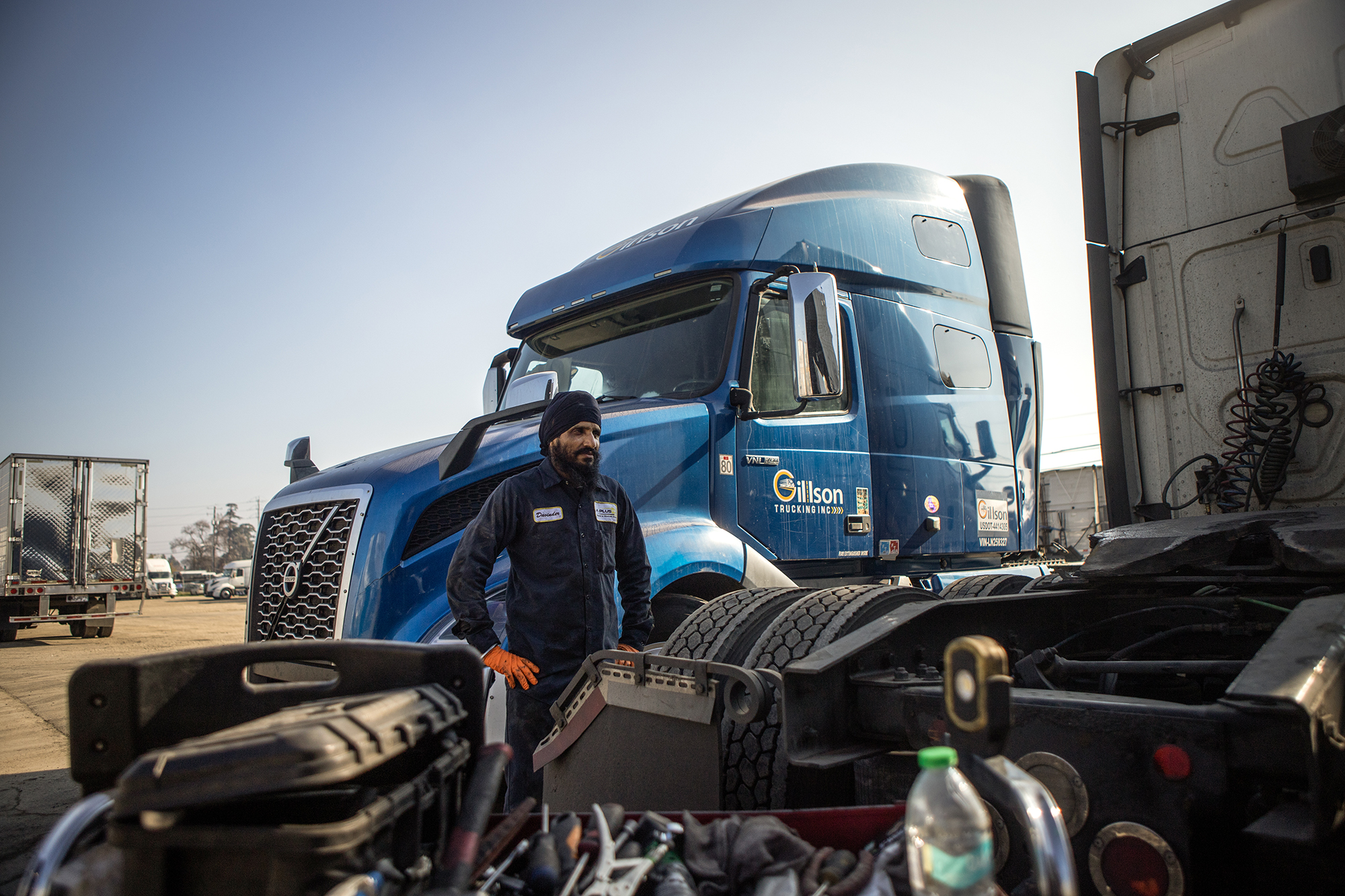
Bikramjeet Singh Gill, the head of Gillson Trucking Inc., exemplifies the dire financial repercussions of this policy. With around 35 of his immigrant drivers losing their licenses, Gill’s company has reported losses nearing $2 million over just four months. He described the burden of $200,000 monthly payments to banks and insurers for trucks that now sit idle.
The devastating toll extends beyond the companies themselves, impacting local economies. The entire supply chain—dispatchers, brokers, farm workers—depends on the viability of these drivers, meaning that the effects ripple out to touch hundreds of thousands of people across California’s Central Valley.
Legal and Advocacy Responses
In response to the DMV’s decision, the Sikh Coalition has filed a lawsuit in conjunction with the Asian Law Caucus. They argue that the cancellations represent a violation of due process, asserting that the DMV did not provide affected individuals the opportunity to challenge the cancellations. Munmeeth Kaur, legal director at the Sikh Coalition, emphasizes that losing a Commercial Driver’s License (CDL) equates to losing a livelihood, impacting tens of thousands of families.
Racial Profiling Concerns
The repercussions are not limited to financial insecurity. The Sikh community reports increasing incidents of racial profiling and harassment. Following high-profile crashes involving Sikh drivers, drivers have expressed fears about being targeted due to their appearance, leading to a hesitancy to display cultural symbols on their vehicles. This creates a climate of anxiety that permeates the community, affecting their sense of identity and belonging as they traverse highways across the nation.
Shifting Gears: Finding New Opportunities
With many drivers unable to secure work due to their canceled licenses, a shift toward the gig economy is occurring. Many have turned to platforms like Uber, Lyft, and DoorDash to make ends meet, though these jobs often offer significantly lower pay than trucking. This shift raises concerns about long-term job stability and economic displacement for families who have invested heavily in their careers.
Call to Action
The urgency of this situation has prompted calls for the state to reconsider its actions. Industry leaders like Tejinder Singh Mehta advocate for a six-month extension on licenses to allow affected businesses time to adapt. Such measures could help mitigate the damage caused by these unexpected regulatory changes.
The Sikh community, motivated by this precarious situation, is advocating for a balanced approach that addresses safety concerns while acknowledging the contributions of immigrant drivers. As discussions continue, the need for empathy and understanding in policy-making remains paramount.
Conclusion
The situation regarding immigrant truck drivers in California reveals broader issues of economic stability and racial inclusivity. As the community grapples with the fallout from license cancellations, it is crucial for stakeholders—including policymakers, advocates, and the public—to work collaboratively toward solutions that honor the contributions of these essential workers.
For more information on this issue, you can explore resources from the Sikh Coalition and the Asian Law Caucus.
