

Community Pushback Against Data Center Development in Monterey Park
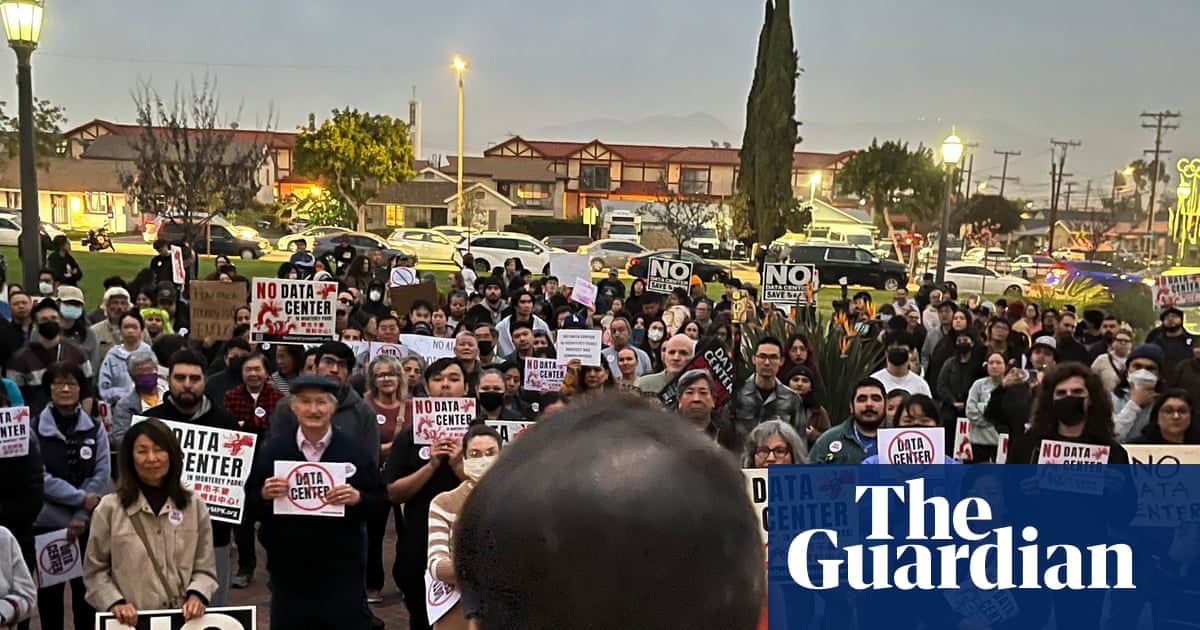
In December, a proposal to construct a colossal data center in Monterey Park—an area spanning the size of four football fields—ignited fierce opposition among local residents. Known as the first suburban Chinatown in America, Monterey Park, located east of Los Angeles, quickly became the focal point for a grassroots movement determined to halt this development.
Unified Community Action
A small group of five residents, under the banner of No Data Center Monterey Park, spearheaded an extensive outreach initiative that mobilized the community. Partnering with the San Gabriel Valley Progressive Action, a grassroots racial justice group, the activists organized a teach-in and rally, attracting hundreds of supporters. Flyers were distributed in English, Chinese, and Spanish, a vital choice to engage the city’s diverse demographic, which is two-thirds Asian and one-quarter Hispanic.
The campaign’s concerns were substantial: the proposed data center could overstress the local power grid, increase energy rates, and contribute to noise pollution. In record time, a petition opposing the project gathered nearly 5,000 signatures, demonstrating the community’s commitment to the cause.
Temporary Moratorium
Within six weeks of launching their campaign, the community achieved a significant victory. City leaders imposed a 45-day moratorium on data center construction and committed to exploring the possibility of a permanent ban on such facilities.
“It’s like the third act of an Oscar-winning movie,” remarked Steven Kung, a co-founder of No Data Center Monterey Park.
The National Movement Against Data Centers
The struggle in Monterey Park is part of a broader national trend, with local communities rising up against data centers across the United States. According to research from Data Center Watch, local opposition resulted in the delay or cancellation of $98 billion worth of projects between late March and June 2025. Over 50 active groups in 17 states targeted approximately 30 projects, resulting in two-thirds being halted.
Diverse Coalitions
The movement has sparked unexpected alliances, uniting residents traditionally at odds—such as NIMBYs and environmentalists in Virginia, as well as “Stop the Steal” activists and Democratic Socialists of America organizers in Michigan.
Miquel Vila, a lead analyst at Data Center Watch, emphasized the breadth of opposition: “There’s no safe space for data centers.”
A Bipartisan Discontent
Despite powering essential services from streaming to artificial intelligence, data centers face widespread public skepticism. A November Morning Consult poll indicated that many voters support banning data center construction near their homes, linking them to rising electricity prices.
In Indiana, a state with over 70 facilities, local communities are taking a stand against nearly 50 new projects, halting a dozen in the past year alone, according to Citizens Action Coalition.
“It’s like a revolt in the heartland,” noted Bryce Gustafson from Citizens Action Coalition.
Economic and Environmental Concerns
In Monterey Park, the proposed data center poses significant economic, environmental, and public health risks. Plans include 14 on-site diesel generators, which could release ambient air pollutants linked to respiratory illnesses like asthma and lung cancer. This has fueled community outrage and a resolve to fight the development.
Grassroots Organizing Success
The success of the No Data Center Monterey Park group is attributed to their strategic coalition-building with local organizations, such as the Asian Youth Center and the Montebello Teachers Association. Andrew Yip, a community organizer with the San Gabriel Valley Progressive Action, remarked on the unity across diverse community groups, focusing their collective energy on this shared mission.
Future Actions and Continued Advocacy
While the immediate threat has been temporarily alleviated, organizers understand that their campaign is far from over. City council members are considering whether to put the decision to ban the data center on the November ballot, shifting the responsibility onto the residents to continue raising community awareness.
“We won a victory, but there’s still a lot of work to do,” Kung affirmed, emphasizing the importance of ongoing engagement.
The movement against data centers is evolving, and Monterey Park may serve as a case study in the power of local activism and community cohesion. As these grassroots efforts continue to gain momentum, communities across the nation are finding their voice against developments that threaten their quality of life.
By integrating local efforts with nationwide movements, residents are shaping the future of their communities, ensuring that decisions regarding crucial infrastructure developments reflect the voices of the people affected.
For more insights about community activism and data center developments, explore related articles here.
