

The Best Drought-Tolerant Plants for Southern California Gardens
Southern California is renowned for its hot and arid climate, which can be challenging for many gardeners. However, native plants have evolved to thrive in these conditions, offering a beautiful and sustainable solution for local gardens. Below is a guide to some of the most resilient and visually appealing drought-tolerant plants, perfect for cultivating in the region.
1. Matilija Poppy
Scientific Name: Romneya coulteri
Growing Conditions: Full sun with well-draining soil. Minimal root disturbance during transplant. Optimal planting occurs in fall.
Size: 4-5 feet tall, 8 feet wide.
Zones: 6-10.
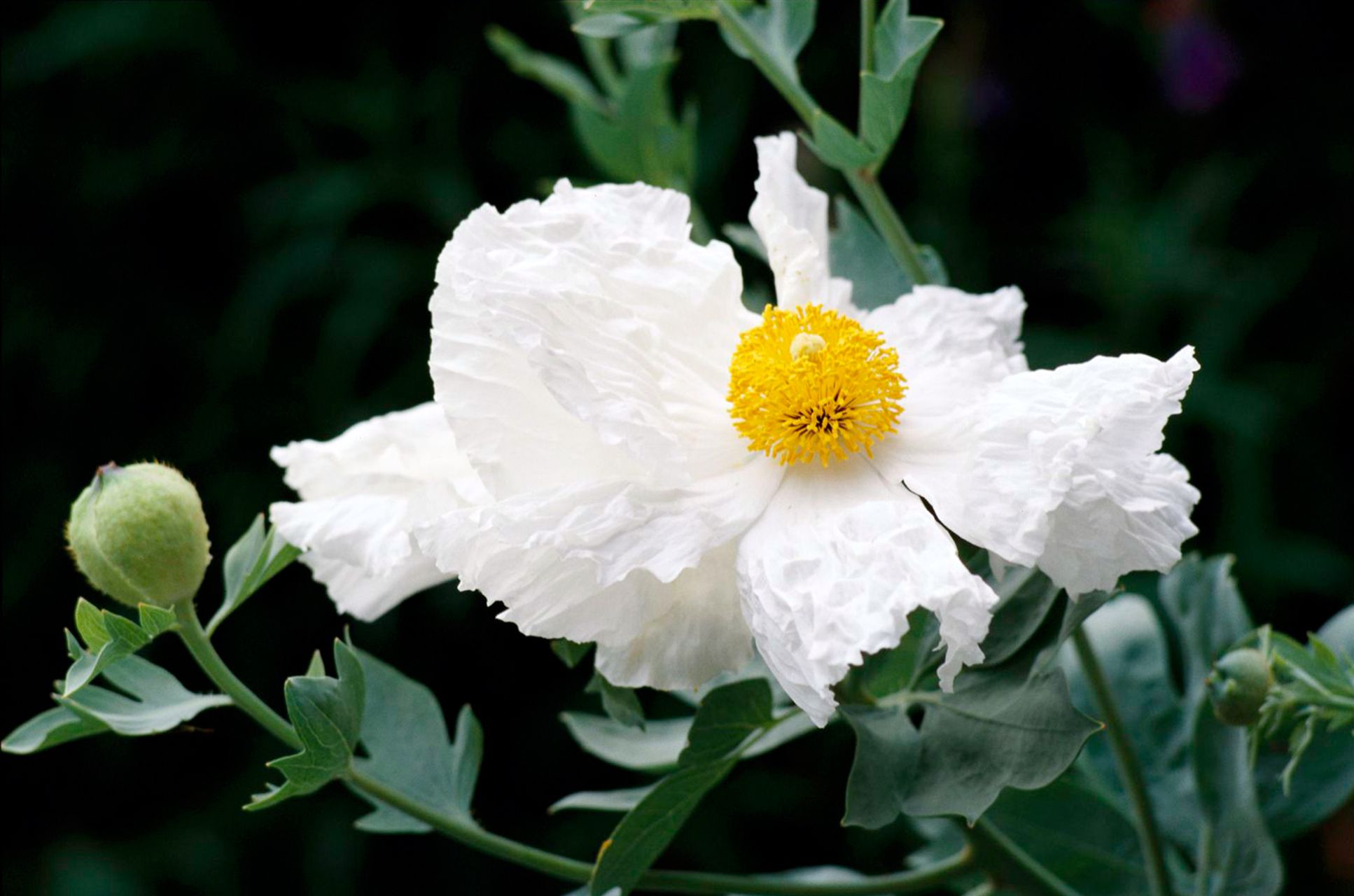
The Matilija poppy, often nicknamed the “fried egg plant,” features stunning white flowers adorned with golden centers. It’s a vigorous grower, using underground runners to spread, making it ideal for slopes or spacious areas.
2. Lemonade Berry Sumac
Scientific Name: Rhus integrifolia
Growing Conditions: Once established, it thrives in dry conditions. Suitable for full sun or partial shade with well-draining soil.
Size: 5-10 feet tall, 10-15 feet wide.
Zones: 9-10.
This robust evergreen shrub is perfect for coastal sage scrub and chaparral settings, showcasing attractive deep green leaves and delightful rose-pink flowers in spring. It’s excellent for habitat creation and slope stabilization.
3. Toyon
Scientific Name: Heteromeles arbutifolia
Growing Conditions: Provides drought resilience once established. Prefers full sun or parcial shade in well-draining soil.
Size: 8-15 feet tall, 15 feet wide.
Zones: 7-10.
With glossy leaves and bright red berries, Toyon is not only visually appealing but also an important habitat plant. It effectively screens and stabilizes slopes in your garden.
4. California Fuchsia
Scientific Name: Epilobium canum
Growing Conditions: Adapts well to dry conditions post-establishment, thriving in full sun but also tolerating partial shade.
Size: 1 foot tall, 4 feet wide.
Zones: 9-10.
This mat-forming perennial shines in summer with its narrow, fuzzy leaves and vibrant vermilion flowers. Its spreading nature means it requires ample room for growth.
5. Chalk Liveforever
Scientific Name: Dudleya pulverulenta
Growing Conditions: Thrives in dry conditions after establishment. Prefers full sun and well-draining soil, tolerating some shade.
Size: 1-2 feet tall and wide.
Zones: 8-10.
This succulent plant showcases ghostly blue-white rosettes and eye-catching red and silver spike flowers, making it a charming addition to rock gardens.
6. Shaw’s Agave
Scientific Name: Agave shawii
Growing Conditions: Drought-tolerant after establishment; best in full sun with well-draining soil.
Size: Rosette 2-3 feet tall by 3-4 feet wide; flower stalks can reach 12 feet.
Zones: 9-10.
Shaw’s Agave forms a colony of rosettes with sharp-edged leaves and impressive flower stems adorned with golden flowers, leaving behind pups after flowering.
7. Desert Mallow
Scientific Name: Sphaeralcea ambigua
Growing Conditions: Once established, it prefers dry conditions. Plant in full sun with well-draining soil. Regular pruning helps maintain form.
Size: 2-3 feet tall, 2 feet wide.
Zones: 4-10.
This charming evergreen shrub features fuzzy, silvery leaves and bright orange to red flowers, blooming early in spring and after summer rain.
8. Manzanita
Scientific Name: Arctostaphylos
Growing Conditions: Drought-tolerant once established, adaptable to part shade or full sun. Prefers well-draining soil.
Size: Varies widely from ground cover to tree, 1-25 feet tall, up to 18 feet wide.
Zones: 6-10.
With its striking architectural structures and rich mahogany bark, Manzanita makes an excellent habitat plant, lending aesthetic value to gardens.
9. Giant Wild Rye
Scientific Name: Elymus condensatus
Growing Conditions: Versatile, growing well in full sun to full shade, requiring minimal irrigation once established.
Size: 3-6 feet tall and wide.
Zones: 6-10.
This tall grass with broad bluish blades forms graceful clumps, adding texture to any landscape.
10. San Miguel Island Buckwheat
Scientific Name: Eriogonum grande var. rubescens
Growing Conditions: Thrives in full sun or part shade, needing occasional irrigation after establishment.
Size: 2 feet tall, 3 feet wide.
Zones: 8-10.
This perennial plant features rounded leaves adorned with clusters of pink flowers, attracting beneficial pollinators like birds and butterflies.
11. Bush Monkey Flower
Scientific Name: Diplacus aurantiacus
Growing Conditions: After establishment, it grows dry in full sun or part shade; reduction in size may be beneficial during dormancy.
Size: 2 feet tall, 3 feet wide.
Zones: 7-10.
Valued for its vibrant blooms that attract hummingbirds, this medium-sized perennial is a great addition to any wildlife-friendly garden.
12. Our Lord’s Candle
Scientific Name: Yucca whipplei
Growing Conditions: Enjoys dry conditions; full sun preferred, though it can tolerate some shade.
Size: 3 feet tall, 3 feet wide.
Zones: 6-10.
Characterized by sharp-tip silvery-green blades and a tall floral spike, this succulent is not only a peaceful presence in the garden but is also uniquely pollinated by the yucca moth.
13. Hummingbird Sage
Scientific Name: Salvia spathacea
Growing Conditions: Resilient in dry conditions, it performs well in shaded areas, making it an excellent choice beneath trees.
Size: 2 feet tall, 3 feet wide.
Zones: 7-10.
With fragrant leaves and pink flowers in spring, this mat-forming perennial attracts hummingbirds, enhancing your garden’s biodiversity.
14. Cleveland Sage
Scientific Name: Salvia clevelandii
Growing Conditions: Adapts to dry conditions in full sun and part shade. Pruning should be done with care to avoid cutting into wood.
Size: 3 feet tall and wide.
Zones: 7-10.
A well-loved native, Cleveland sage’s aromatic leaves and lavender blooms provide a sensory delight while supporting local wildlife.
15. California Poppy
Scientific Name: Eschscholzia californica
Growing Conditions: Best grown in full sun; enjoys dry conditions. Late fall or winter planting from seeds is recommended.
Size: 18 inches tall and wide.
Zones: 8-10.
The state flower of California captivates with its vibrant orange blooms and feathery green leaves. It thrives with minimal irrigation but avoid overhead watering.
Incorporating these native drought-tolerant plants into your Southern California garden can result in a stunning landscape that not only conserves water but also attracts local wildlife. Choose a variety that suits your space and conditions, and enjoy a resilient and beautiful garden that thrives in the California sun. For more gardening tips and care guides, explore resources available through BHG Gardening.
