

California’s Valley Clean Infrastructure Plan: A Game-Changer for Renewable Energy
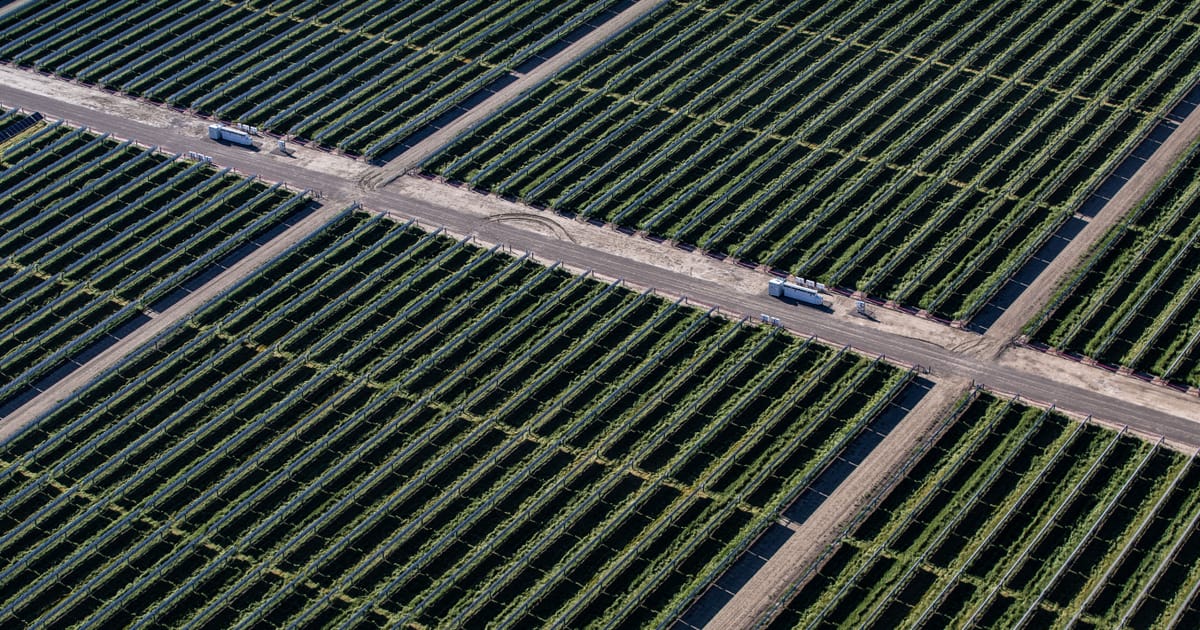
In the heart of California’s western Central Valley, a groundbreaking renewable energy initiative is set to reshape the future of clean energy production in the state. The Valley Clean Infrastructure Plan (VCIP) aims to deliver up to 21 gigawatts of solar power and equivalent battery storage by 2035, providing a significant portion of California’s clean energy needs.
A Landmark Approval
In December, the Westlands Water District‘s board of directors passed this ambitious plan, paving the way for the development of solar energy facilities across 136,000 acres of farmland. This project is not just a milestone for the region; it also positions California as a leader in renewable energy infrastructure, with expectations to become the largest solar and battery installation in the United States.
For more details about the VCIP, visit the Golden State Clean Energy website.
Swift Progress Expected
Patrick Mealoy, a key figure in the project’s development and Chief Operating Officer of Golden State Clean Energy, anticipates that construction could commence within the next two years. While Golden State Clean Energy will oversee the overarching plan, the majority of the project will tap into third-party developers, with solar and battery installations ranging from 100 to 1,150 megawatts.
Overcoming Challenges
The VCIP addresses several obstacles that often hinder smaller solar and battery projects. By conducting transmission studies, environmental impact assessments, and community outreach simultaneously, the initiative aims to secure necessary approvals and establish a seamless connection to California’s already congested electricity grid.
Balancing Energy and Agriculture
The significance of the VCIP extends beyond renewable energy; it also supports California’s agricultural sector. As noted by Allison Febbo, the district’s general manager, the plan enables the district’s 700 growers to allocate limited water resources more effectively. This initiative will allow farmers to shift water from lands designated for solar energy to those still under cultivation.
“What the VCIP gives our growers is akin to a new crop—the sun,” said Febbo, underscoring the economic benefits for agricultural producers.
Conclusion
California’s Valley Clean Infrastructure Plan stands as a testament to innovative solutions in renewable energy and water management, addressing the pressing needs of both the energy sector and agriculture. By 2035, this initiative could profoundly influence the state’s energy landscape, ensuring a sustainable future for generations to come.
For further insights into California’s renewable energy landscape, explore more on the Westlands Water District’s official site.
