

California’s Billionaire Tax Proposal: A Double-Edged Sword for the Golden State
California is considering a controversial billionaire tax that could reshape its economic landscape. Advocates tout the potential to raise up to $100 billion over five years, while opponents caution it might drive wealthy residents out of the state, ultimately harming long-term revenue.
What is the Billionaire Tax?
The proposed wealth tax would impose a one-time 5% levy on the net worth of California’s more than 200 billionaires, calculated as of January 1, 2023. This tax would be due in 2027 but can be paid in installments over five years. The tax aims to address significant funding shortfalls, especially in healthcare programs like Medi-Cal, as federal funding cuts loom large. In fact, 90% of the revenue generated would be allocated to healthcare, with the remaining 10% directed to education.
Financial Implications of the Tax
According to the nonpartisan Legislative Analyst’s Office, while the billionaire tax would provide a temporary financial surge, it could lead to ongoing revenue declines in state income taxes. This is largely because the state’s wealthier residents, who contribute substantially to tax revenues, may relocate. The analysis suggests that the potential short-term benefits could quickly be overshadowed by long-term losses, making the solution akin to sacrificing a golden goose for a fleeting feast.
Criticism of the Proposal
Many state officials, including Governor Gavin Newsom, have expressed strong opposition to the tax. He argues that while a one-time influx of cash may be appealing, it jeopardizes California’s long-term competitiveness and could drive out job creators. Newsom emphasized that taxes on the wealthy already account for a significant portion of state revenues, with the top 1% contributing between 40% and 50% annually.
Democratic strategist Garry South adds, “The idea of targeting billionaires is popular in discussions but fails to acknowledge their substantial current contributions.” With California already facing challenges due to high taxes and an unfriendly business climate, critics worry this measure may further alienate affluent individuals.
Labor Organization Support
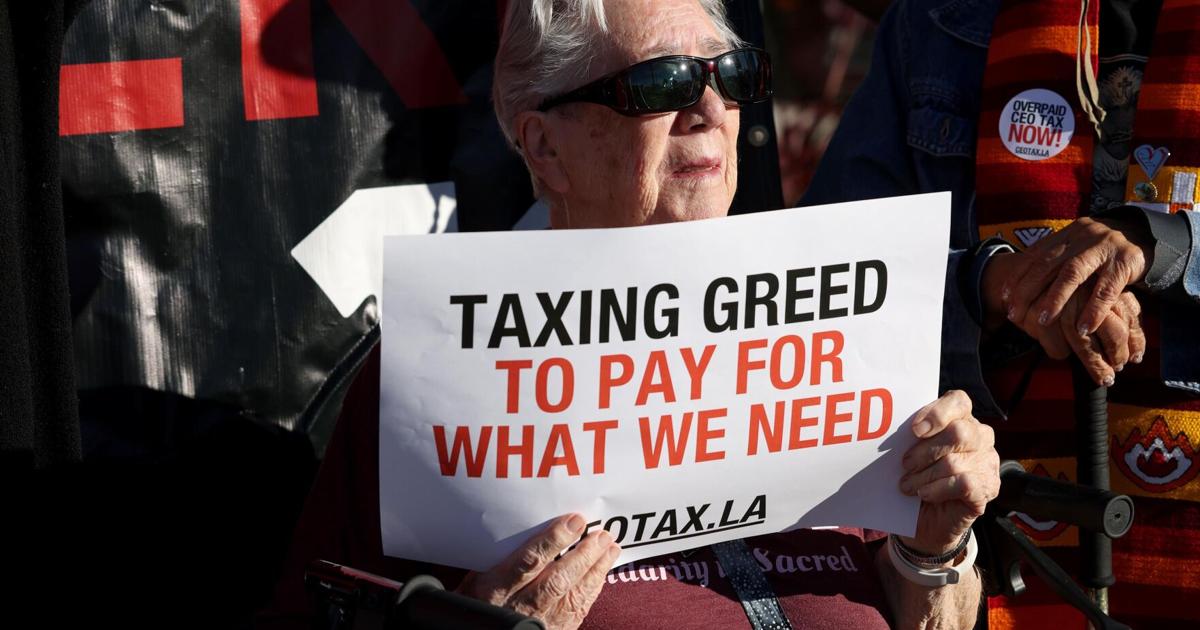
Interestingly, the push for the billionaire tax is not spearheaded by state Democrats but rather by the Service Employees International Union–United Healthcare Workers West, which represents around 120,000 healthcare employees. They plan to spend approximately $14 million to gather enough signatures to place the initiative on the ballot.
Broader Economic Consequences
Opponents of the billionaire tax argue that it risks driving away the very innovators who contribute to California’s thriving ecosystem. As Mike Murphy, a seasoned political consultant, notes, “With the state already grappling with significant budget deficits, now is not the time for such drastic measures.”
Furthermore, some analysts speculate that the union may be using this tax initiative as leverage to negotiate for more state budget allocations to healthcare, rather than genuinely seeking a new revenue source.
Conclusion: The Path Forward
While the proposed billionaire tax may initially seem like a short-term fix for pressing financial issues, the long-term implications could be detrimental. A more sustainable solution might be fostering a business-friendly atmosphere that encourages wealth retention and growth. With the future of California’s economy hanging in the balance, residents and lawmakers must carefully weigh the risks and benefits of such measures.
For those interested in how this initiative could unfold, keep an eye on developments by following updates on California’s legislative actions.
Related Resources
- For insight into taxes in California, visit California State Government.
- Learn more about the impact of health care funding in California at California Health Care Foundation.
By understanding the complexities of the billionaire tax proposal, Californians can engage thoughtfully in the ongoing discussion around wealth, taxation, and the future of the Golden State.
