

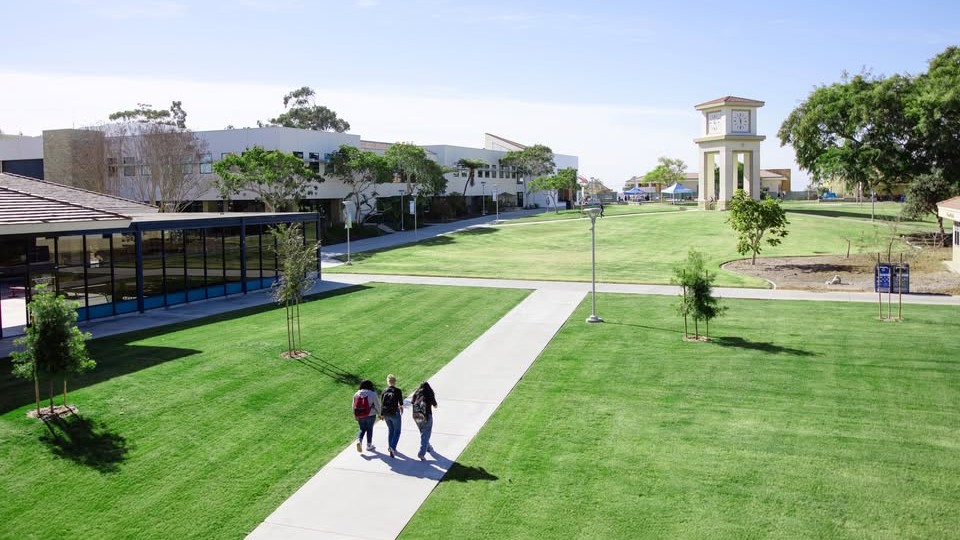
California’s Community Colleges: A Model of Resilience for Future Challenges
California’s community colleges have long served as vital pillars of education, enabling thousands of students to pursue higher learning and satisfying careers. Institutions like MiraCosta College exemplify the resilience and adaptability necessary to navigate today’s rapidly shifting educational landscape.
The Transformative Role of Community Colleges
Community colleges provide accessible pathways to quality education for diverse populations. They cater not only to recent high school graduates but also offer second-chance opportunities for adult learners seeking to upskill or change careers. This flexibility is crucial in an economy that increasingly demands specialized skills.
Bridging the Skills Gap
One of the primary challenges facing today’s economy is the skills gap—where the qualifications of job seekers do not align with market demands. California community colleges address this by collaborating closely with local industries to tailor their programs to meet specific workforce needs. These partnerships ensure that students gain relevant skills that enhance employability, making them indispensable in the job market.
Emphasis on Completion Rates
In recent years, California community colleges have focused on improving graduation rates and reducing dropout rates. Initiatives aimed at support services, mentorship programs, and targeted academic resources play a significant role in assisting students through their educational journeys. This commitment to student success is evident in the increased numbers of graduates entering the workforce and furthering their education.
Adapting to Technological Advancements
As technology continues to evolve at an unprecedented pace, community colleges have adapted by integrating digital tools into their curriculums. Online learning platforms and hybrid models of education have become more prevalent, allowing students to access resources and instructions from anywhere. This adaptability ensures that education remains accessible even during challenging times, such as the global pandemic.
Engaging Diverse Learners
The fluctuation in enrollment demographics has prompted community colleges to develop programs that cater to a broader range of students. These include non-traditional learners and those from underrepresented communities. Tailored support and outreach initiatives are fundamental to creating inclusive learning environments where every student can thrive.
The Future of Community Colleges in California
Looking forward, California community colleges are well-positioned to continue their role as essential institutions in the state’s educational framework. By remaining responsive to economic demands and societal changes, they will not only contribute to individual student success but also bolster the state’s economy.
Expanding Career Pathways
As the job market transforms, community colleges must continuously evaluate and revise their programs. Career pathways initiatives provide structured routes for students to progress in specific fields, enhancing their prospects for employment and advancement. By focusing on emergent industries—like technology, healthcare, and renewable energy—these institutions ensure their graduates are well-prepared for future opportunities.
Conclusion: Building a Resilient Future
The ability of California’s community colleges to adapt and thrive in the face of adversity stands as a testament to their importance. By emphasizing inclusivity, embracing technology, and fostering partnerships with industry leaders, these institutions are not just preparing students for jobs; they are shaping a resilient workforce ready to meet the challenges of tomorrow.
For more information on the impact of community colleges and resources available, you can explore California Community Colleges and learn how they are influencing the educational landscape.
