

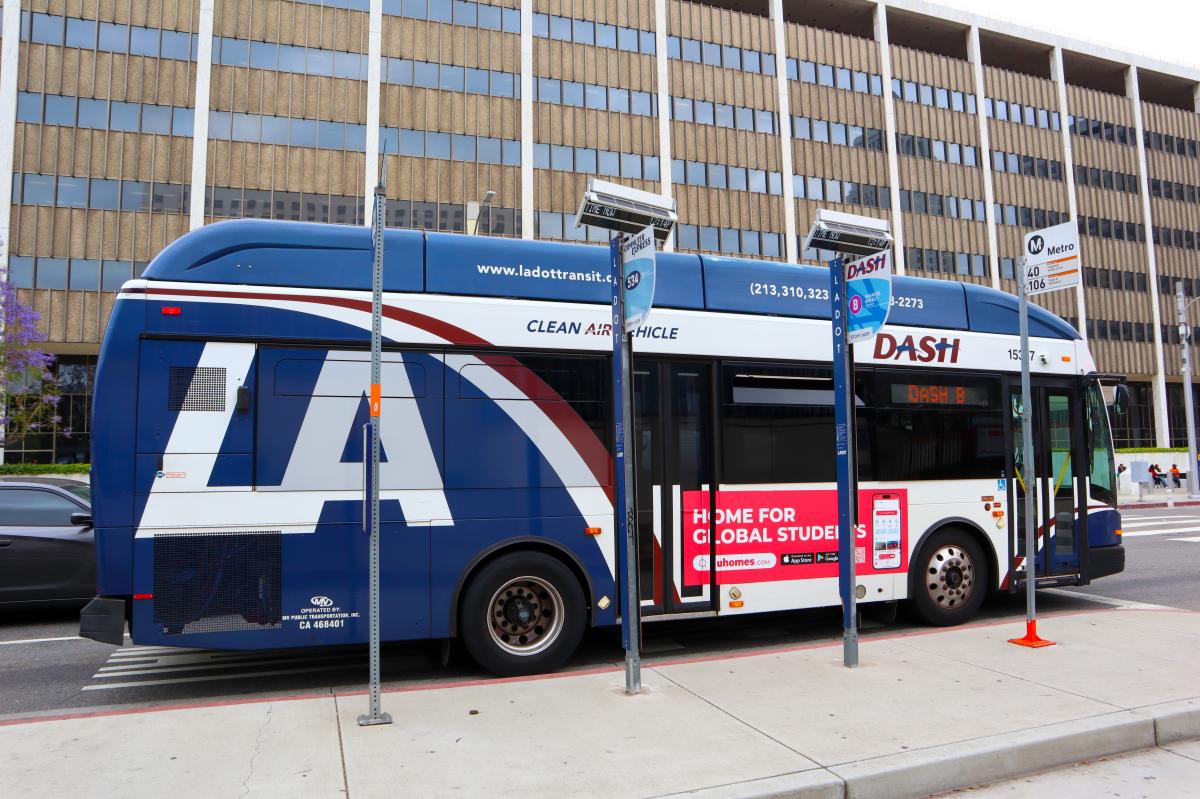
LA’s Unconventional Campaign: “Please Don’t Poop on Buses”
In a move that feels almost satirical, the Los Angeles Department of Transportation (LADOT) has launched a campaign appealing to riders to refrain from defecating on city buses. The initiative starkly highlights a troubling issue that underlines the broader challenges facing public transportation in the city.
A Sign of the Times
As part of the “See Something, Do Something” campaign, LADOT has been airing videos on a loop that remind passengers of basic etiquette: no drinking, no smoking, and, notably, no pooping. While this approach may seem humorous at first glance, it underscores a serious breakdown in public order and cleanliness that city officials need to address with substance, not just slogans.
Mayor Karen Bass, along with the City Council and LADOT General Manager Laura Rubio-Cornejo, should consider the implications of such a campaign. Instead of merely pushing customers to report fellow riders engaging in this behavior, a more decisive stance on enforcement and oversight is crucial.
Beyond Basic Politeness
This peculiar campaign reflects deeper issues within Los Angeles’ public transit system. Travelers often question the safety, reliability, and basic sanitation of the city’s public transport. The situation raises a glaring question: what has public transport come to in a major city that prides itself on being the heart of California—home to the fourth-largest economy in the world?
An Expensive Problem
Los Angeles taxpayers invest tens of millions of dollars annually to maintain the bus system. With such an investment, the expectation should be for a clean and safe travel environment, not one marred by unsanitary conditions. Why, then, are residents met with feces-strewn buses and animated public service announcements rather than real solutions?
The tolerance for uncivil behavior in public spaces reflects a concerning standard that needs to be re-evaluated. It is crucial for city leaders to shift from a permissive approach towards more stringent regulations that foster a respectful and safe environment for all riders.
Addressing Underlying Issues
The apparent rise in incidents involving public defecation on buses points towards a larger systemic challenge: addressing the root causes of homelessness. Factors like mental illness and substance abuse must be part of the conversation as city officials devise comprehensive solutions. Unfortunately, the focus often remains on mismanaged funding directed towards ineffective charitable organizations rather than actionable initiatives aimed at assisting those living on the streets.
The Call to Action
It’s vital for city leaders to prioritize the well-being of its constituents and to rehabilitate not just the transportation infrastructure but also the communities surrounding it. City Hall must reclaim the public transportation system for the citizens of Los Angeles, ensuring that everyone can travel without encountering undesirable or unsafe conditions.
In a world where riding the bus could lead to some less-than-ideal surprises, it is imperative for LADOT to take meaningful action. It’s high time to elevate the standards of public transportation and restore dignity and cleanliness to the services that the residents depend upon.
Conclusion
The situation in Los Angeles is a pressing reminder that ongoing challenges such as public safety, homelessness, and sanitation demand thoughtful and active resolution from city authorities. The “please don’t” message may be lighthearted, but the underlying issues are serious and warrant immediate attention. Residents deserve better—not merely in terms of hygiene but also in the quality of life they expect from their local government.
For ongoing updates and discussions about such issues, consider staying connected through California Post News and other platforms. It’s time to clean up our public spaces, both literally and figuratively.
