

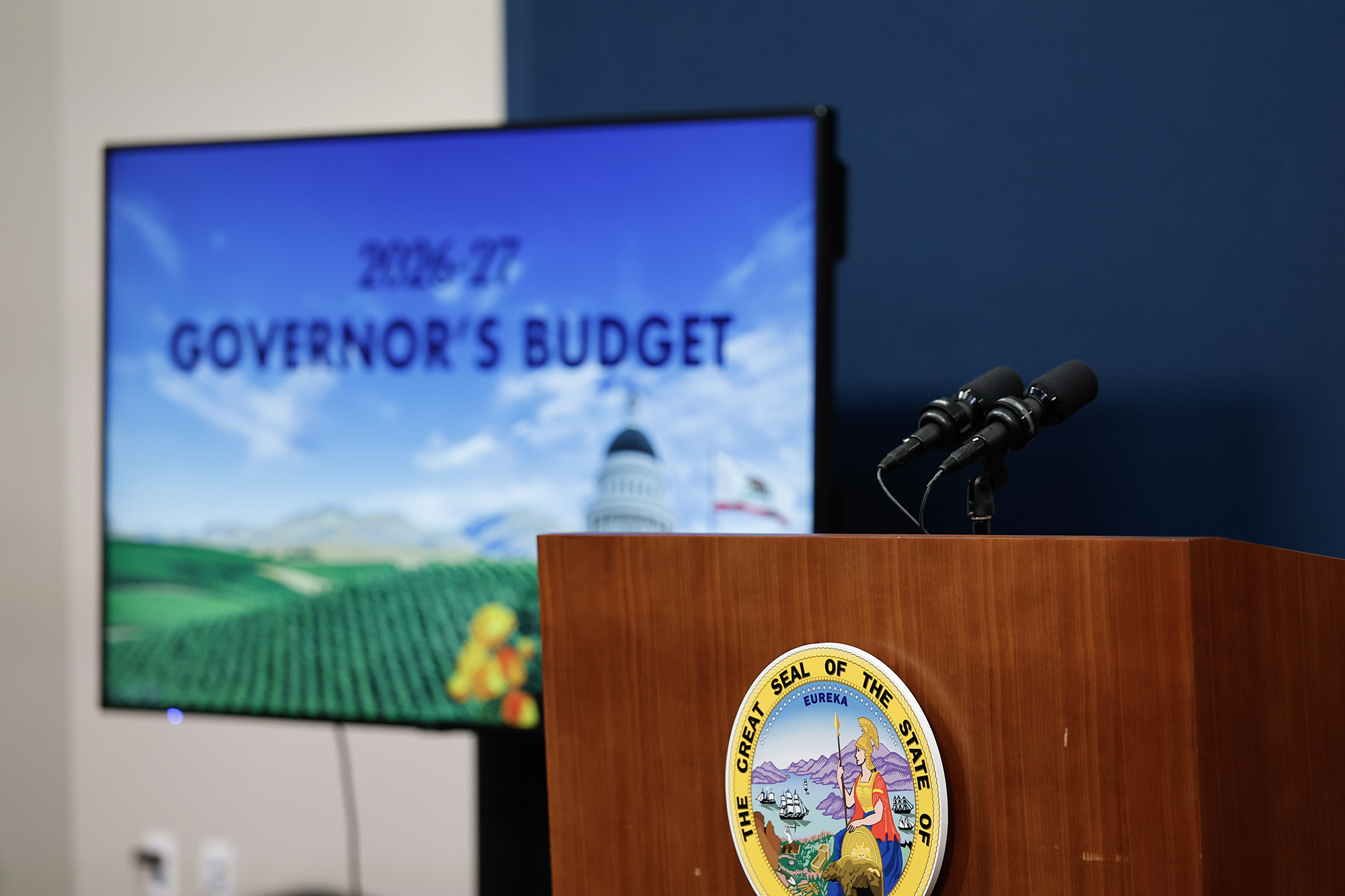
California’s 2026-27 Budget Proposal: A Missed Opportunity for Real Change
As California progresses into the fiscal year 2026-27, the anticipated budget proposal from Governor Gavin Newsom has sparked critical discussions regarding its implications for state residents. While California is often viewed as a resistant force against federal policies, this budget reveals a concerning lack of investment aimed at safeguarding residents from federal cuts and ongoing socio-economic threats.
The Budget and Its Ramifications
Governor Newsom’s budget proposal demonstrates a lack of provisions to shield Californians from recent federal reductions in vital services. As reported, federal policymakers have made drastic cuts to essential health care, food assistance, and other support systems, reallocating these resources to priorities that increasingly benefit the wealthiest segments of society, including tax breaks for corporations.
The Stakes Are High
The implications are glaring: proposed federal cuts to Medi-Cal, which may affect up to 2 million Californians, pose significant risks to health coverage, potentially costing the state tens of billions in annual federal funding. Additionally, reductions in the Supplemental Nutrition Assistance Program (SNAP) could lead to losses in food assistance for over 3 million households, costing California between $2.3 billion and $5.1 billion annually.
A Growing Poverty Crisis
California, despite its wealth, continues to grapple with the highest poverty rate in the nation, tied only with Louisiana. This crisis underscores the urgent need for actionable solutions that will elevate revenue capabilities, providing a safety net for vulnerable populations across the state.
Tax Breaks vs. Public Service Funding
The proposal further exacerbates the situation by prioritizing corporate tax breaks over funding essential services. Many profitable corporations in California currently exploit loopholes that allow them to avoid significant state taxes. For example, nearly half of these corporations pay the minimum $800, despite reporting substantial profits. The state could address this by closing the “waters edge” loophole, a major tax break that enables corporations to evade $3 billion to $4 billion in state taxes each year by parking profits in offshore havens.
A Call for Reform
To create a more equitable budget, Governor Newsom and the Legislature must seriously consider reforming current tax policies. Actions such as ending inefficient tax breaks for research and development—which cost the state over $2.5 billion in 2023 alone—would generate significant revenue. Closing these loopholes would provide funds necessary to bolster health care, food assistance, and housing initiatives.
Evaluating the Future
As the negotiations surrounding the 2026-27 budget continue, the outcome will significantly influence Governor Newsom’s legacy. The key question remains: Will Californians be more secure and able to afford everyday necessities as a result of this budget, or will the harsh realities of federal policies persist unchecked?
In summary, California stands at a crossroads—its leaders must decide whether to strike a path toward genuine support for its residents or to replicate past errors that left many individuals grappling with insecurity. Action today will dictate whether the promise of “California for All” is fulfilled or simply postponed for a future administration.
For further insights on California’s budget challenges and implications, CalMatters provides extensive coverage and analysis.
