

The Struggling State of California’s Transport Systems: A Closer Look at Transit Challenges
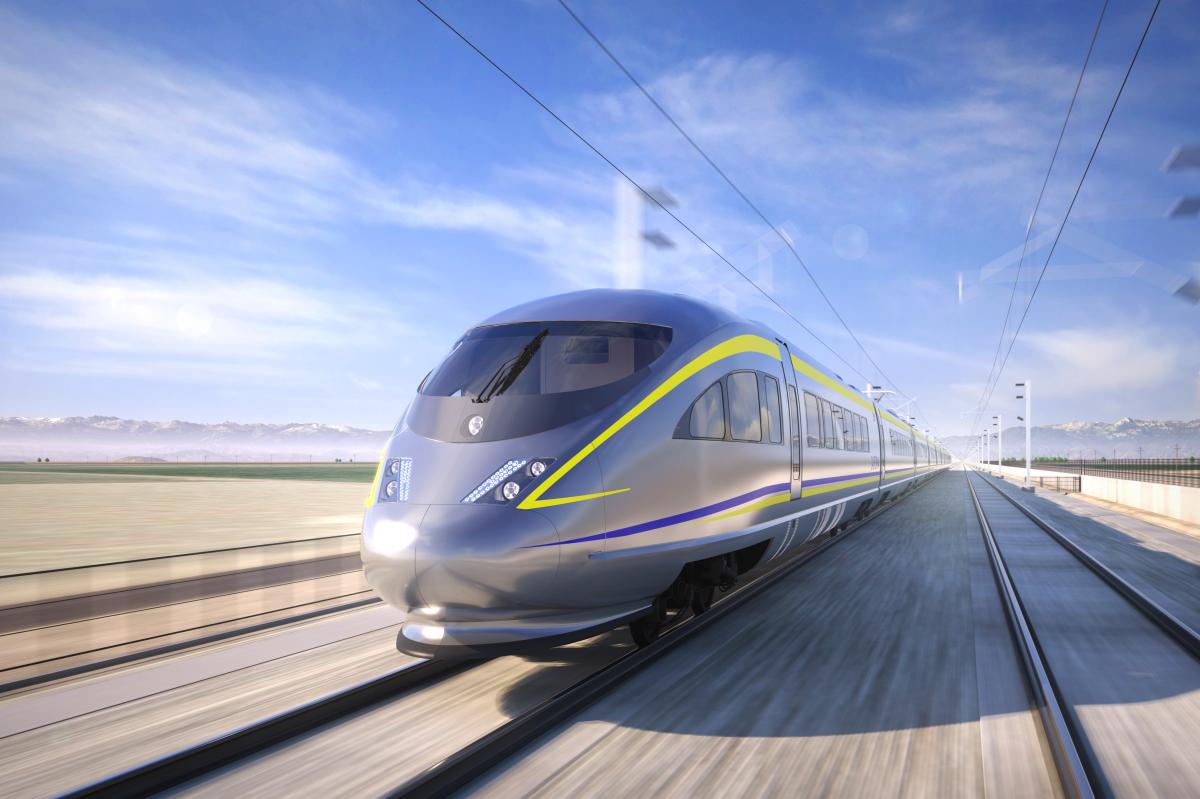
California’s much-anticipated high-speed rail project, championed by Governor Gavin Newsom, has received a fair share of skepticism, with some dubbing it a “train to nowhere.” However, this is not the only example of underperforming transportation initiatives in the Golden State. In fact, many public transit systems—trains and buses alike—are essentially becoming “ghost” services, with minimal ridership.
A Push for Federal Funding Amidst Declining Transit Use
Despite the lack of success in improving transit usability, California officials are fiercely lobbying for more federal funding as Congress gears up for a new five-year surface transportation bill. This bill promises billions more for urban transit projects. Diverse groups—including city mayors, regional planning organizations, construction companies, transit unions, and even the Chamber of Commerce—are all vying for increased transit funding.
However, striking data reveals a disconnect. Despite enormous amounts of public investment in transit systems over the decades, mobility in urban settings remains stagnant.
Transit Spending vs. Actual Use
A recent study by Unleash Prosperity highlights something troubling: public transit’s market share is continuously declining. Even with adjusted transit spending showing a near sixfold increase since 1960, the percentage of the populace opting for public transportation has plummeted by about two-thirds. Interestingly, California stands out with one of the highest per capita transit expenses, solidifying the notion of inefficient spending.
Current Ridership Scenario
As it stands, roughly only 4% of commuters are using public transportation in California. The next time a bus or light-rail train passes by, take note of the scant number of passengers on board.
Another modern concept gaining traction is the “15-minute city,” which aims to make public transit easily accessible within a short walking distance. However, this vision is largely unattainable outside densely populated urban centers. A staggering statistic reveals that, within 30 minutes, nearly 60 times more jobs are reachable by car than through public transit in the country’s largest metropolitan areas.
The Case for Cars: Efficiency and Accessibility
While California seeks to enhance public transport, most residents find commuting less time-consuming using their vehicles. On average, individuals driving alone are reaching their workplaces in under 30 minutes, despite facing some of the nation’s highest gas taxes and congestion pricing initiatives. The key differentiator? Cars provide a direct route from home to work, a convenience that public transport often lacks due to transfers, long walks, and unpredictable schedules.
Rethinking Transportation Strategies
Instead of funneling more funds into flawed transit infrastructures, the focus should shift towards improving existing road systems. Innovations such as light-change technology can optimize traffic flow, while freeway management systems may help alleviate congestion.
It’s crucial to recognize that nearly 20 times more Americans commute by car or work from home than rely on public transportation. Moreover, the trend of remote work has accelerated post-pandemic, with a significant number of households opting for at-home work rather than utilizing public transport options.
Those advocating for additional transit investments often claim that enhanced bus and train services could lead to lower congestion and reduced pollution levels. However, this perspective may be misguided; current transit ridership is so low that it bears little impact on traffic issues in urban areas.
A Future Focused on Innovation
As we look toward the future, possibilities like affordable, driverless rideshare services are on the horizon. Some urban areas are already experimenting with subsidizing these options, potentially making traditional public transport systems obsolete for low-income citizens.
Ultimately, federal transportation dollars would be better allocated toward expanding road capacity and infrastructure improvements, rather than sustaining antiquated transit systems that struggle to meet the needs of the population.
For real-time updates and incisive commentary on transportation issues, consider following us on social media, and stay informed on the latest developments in California’s transit landscape.
