

Rising Tensions in the Middle East: The Impact on the Jewish Community in Southern California
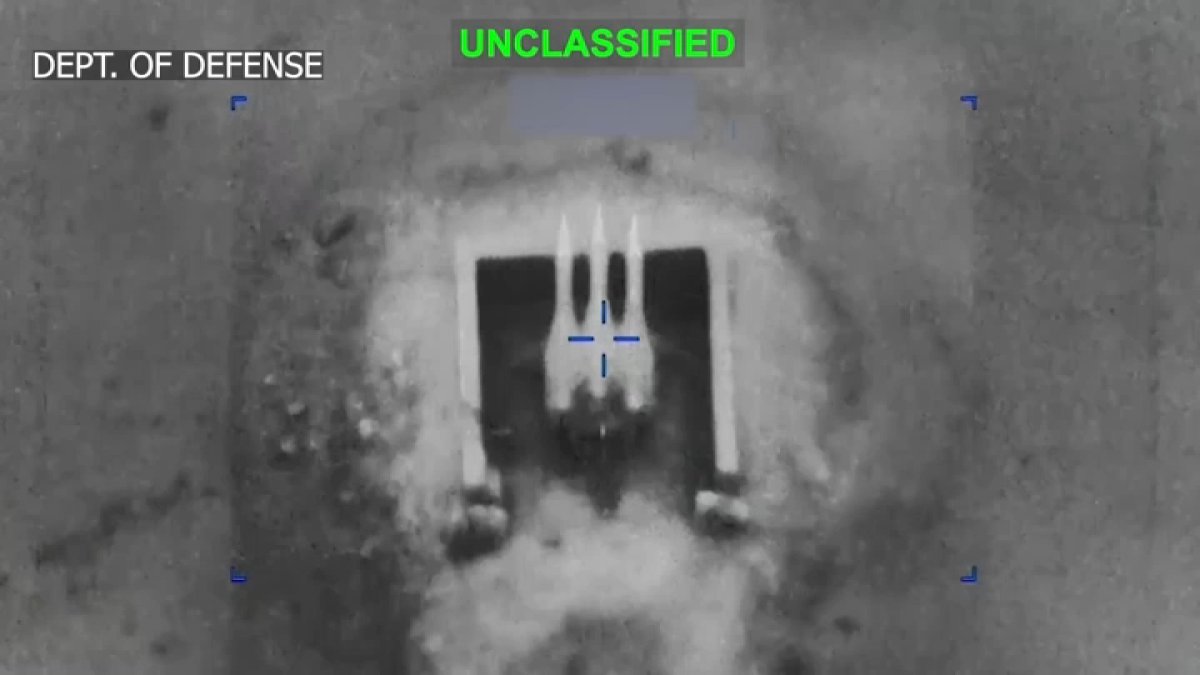
The Jewish community in Southern California finds itself at a crossroads of fear and hope following recent military escalations in the Middle East. Strikes on Iran and subsequent retaliatory attacks on Israel, U.S. military bases, and various regional targets have intensified anxieties.
The Ongoing Conflict and Its Consequences
Missile exchanges across the Middle East are severely undermining Iran’s defense capabilities. However, retaliatory actions are also placing immense pressure on civilians.
Elan Carr, CEO of the Israeli American Council, emphasized the grave impact of these strikes. “Weapons of enormous capacity are targeting civilian areas,” he noted, highlighting the dire situation for vulnerable populations.
The Call for Action Against Iran
Carr advocates for decisive action against what he describes as “the most evil regime” — the Iranian government. He insists that dismantling Iran’s nuclear capabilities and liberating its people from oppressive rule should have been accomplished long ago. “This is about ending the world’s foremost state-sponsored terrorism,” he stated.
Sara Brown, regional director of the American Jewish Committee (AJC), echoed these sentiments, explaining that U.S. and Israeli forces are primarily focusing their strikes on Iran’s missile sites and military industrial complexes. In stark contrast, Iran’s retaliatory efforts have often targeted civilian areas.
Regional Fears and Hopes
Brown expressed concern that partners across the Middle East are experiencing significant fear amid these tensions. “There is a tremendous amount of fear, but also hope and resolve,” she said. The AJC, an advocacy organization for Jews worldwide, is concerned for many of its members and partner groups caught in dangerous situations.
She is hopeful for positive change: “The Iranian people should have the opportunity to choose their own leaders. We may finally see a pathway toward lasting peace across the Middle East.”
The Potential for Change
Given the outcomes of previous conflicts, many may question the likelihood of achieving lasting peace this time. Carr believes the destruction of Iran’s nuclear capabilities and the weakening of its military and proxy forces offer a unique opportunity for normalization throughout the region.
“Imagine a Middle East without a terrorist network. That could change the dynamics significantly,” he remarked.
Outlook and Concerns
Former President Donald Trump has predicted that the current fighting may last several weeks, raising concerns about a possible protracted conflict. However, Carr remains skeptical about this scenario.
“Who would initiate a war against the U.S. and Israel? Russia is preoccupied, and China will not risk its interests,” he asserted.
As of now, the conflict has resulted in the deaths of at least six Americans and eleven individuals in Israel due to retaliatory strikes.
Conclusion
The escalating situation in the Middle East continues to evoke a mix of fear and hope among Southern California’s Jewish community. With significant military actions targeting Iranian capabilities, advocates remain cautiously optimistic that these developments may lead to a more peaceful future in the region.
For more information on the Jewish community’s response to the conflict and the implications for regional peace efforts, visit American Jewish Committee and Israeli American Council.
This article outlines the critical developments in the Middle East and their implications for the Jewish community in Southern California, aiming to provide clarity and insight into the current situation.
