

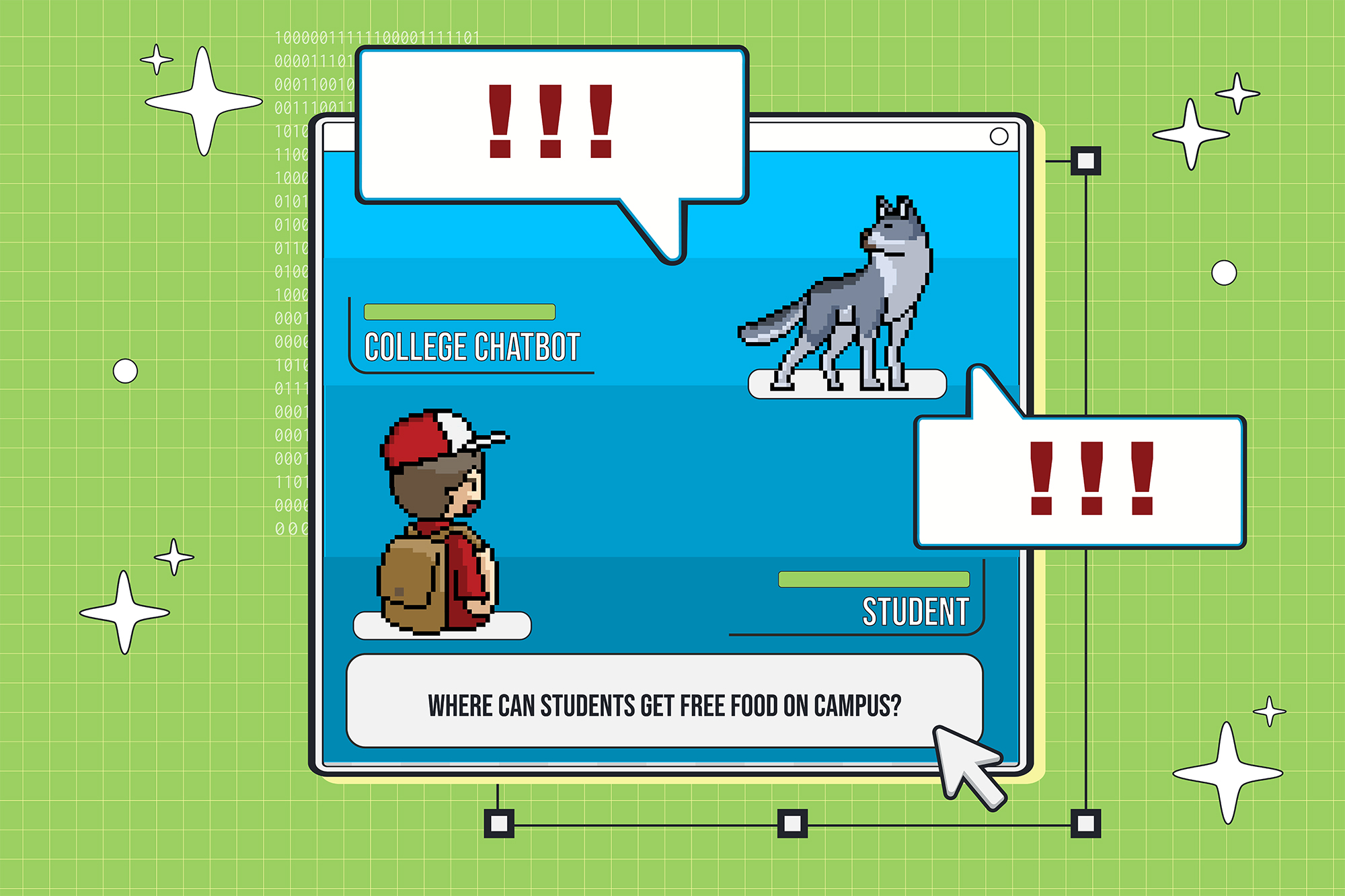
California Community Colleges: The Challenges of AI Chatbots
California community colleges have invested millions in artificial intelligence (AI) chatbots designed to assist students with admissions, financial aid, and campus services. While these systems aim to streamline student inquiries, many students report inadequate responses, leading them to seek help through unofficial social media channels.
Mixed Results from AI Chatbots
Testing by various outlets reveals that these chatbots often excel in answering general queries but struggle with more specific questions. For instance, the bot at East Los Angeles College failed to identify its own president correctly. Such errors have left students frustrated and searching for answers on platforms like Reddit and general search engines.
Cost of Implementation
Contracts for these chatbot services can be hefty, with annual costs reported between $151,000 and nearly $500,000 for some community college districts. The Los Angeles Community College District alone has committed approximately $3.8 million to chatbot services through 2029, according to district documents.
Many college districts utilize platforms like Gravyty and Gecko, which are reported to handle thousands of interactions monthly, often beyond regular office hours. This capability is intended to minimize phone calls and reduce unnecessary visits to campus.
Challenges with Information Accuracy
The reliance on manually maintained libraries of frequently asked questions presents a significant limitation, leading to outdated or inaccurate responses. Some districts have started transitioning to AI systems integrated with ChatGPT, promising better accuracy and richer resource capabilities. For example, Santa Monica Community College has implemented an AI system that scrapes its website for real-time data, improving overall response reliability.
Students Seeking Clarity
Students like Pablo Aguirre, an intern at East Los Angeles College, express dissatisfaction with the current chatbots. Aguirre highlighted the inefficiency of using the bot for financial aid information and reported difficulties navigating the college’s official website, which occasionally displays error messages or leads to outdated resource pages.
Reanna Carlson, another student at Fresno City College, echoed similar frustrations with her college’s chatbot, which often provided vague responses despite a three-year contract worth nearly $870,000 for related services. Carlson noted that the reliance on campus staff was crucial for accurate information.
Testing Results and Variability
When tested, the chatbots showed potential but varied ability to deliver consistent answers. For example, inquiries regarding the current president of East Los Angeles College generated misleading responses. Additionally, inconsistencies arose when users posed questions in different languages, illustrating the bots’ limitations when addressing diverse student needs.
Concerns Beyond California
Issues with AI chatbots aren’t limited to California. In New York City, reports indicated that city-run chatbots provided questionable guidance that could lead to illegal actions, resulting in their termination.
A Step Forward with Modern Solutions
Santa Monica College has seen improved performance from its Gecko-powered chatbot since transitioning to a fully AI-driven system. District officials attribute ongoing challenges to how these chatbots access and utilize information rather than the inherent capabilities of AI itself.
The move towards more modern technology aims to deliver better experiences for students. The Los Angeles district is planning to shift to a new AI chatbot platform by late spring with the expectation of improved accuracy and service.
Justifying Ongoing Costs
Despite encountered challenges, community college districts justify the expenses by their widespread usage. The Los Angeles district records an average of 5,000 to 7,000 interactions monthly, while other districts report similarly high numbers. This level of engagement underscores the necessity for a system that can operate around the clock, accommodating an international student body and limiting costs associated with traditional support methods.
Building Trust with Students
While high usage rates indicate a demand for chatbot services, trust remains a concern, particularly when it comes to sensitive topics. Students like Bryan Hartanto, an international scholar, emphasize the risks of relying on AI for critical information regarding their visa status, preferring human interaction when navigating complex regulations.
Conclusion
With ongoing investments in advanced AI technology, California community colleges aspire not only to enhance student support but also to ensure accuracy and reliability in the information provided. The dual focus on modernizing technology and improving data management is crucial as these institutions navigate the evolving landscape of education and student needs.
For more on challenges and developments in AI chatbot solutions, explore articles on artificial intelligence and California’s higher education landscape.
