

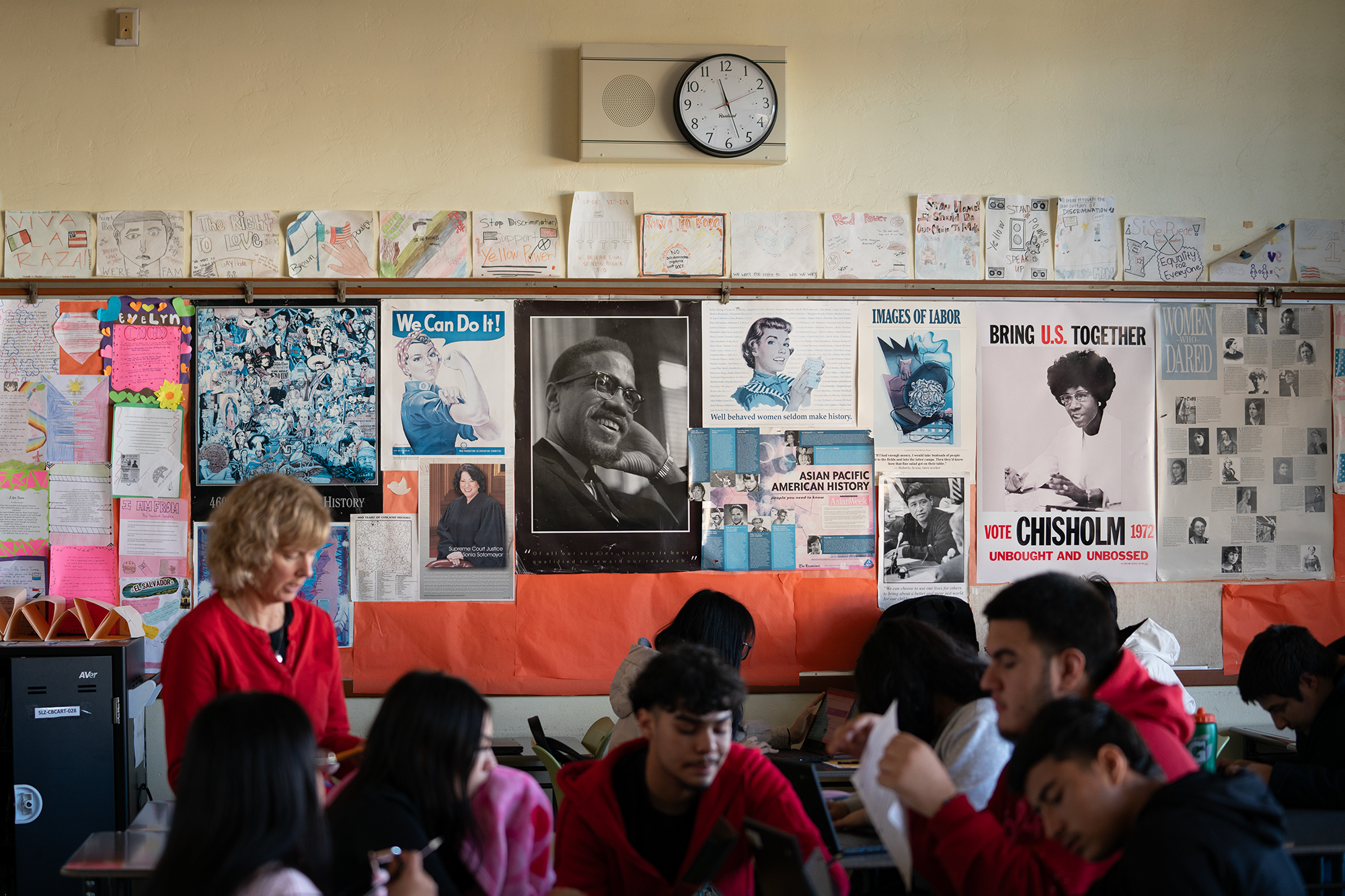
Renewing Civics Education in California Schools
As America prepares to celebrate its 250th birthday this year, California students are gearing up to engage with their government in meaningful ways. This milestone provides a unique opportunity for schools to enhance civics education, an area that has been largely neglected for years.
The Need for Civics Education
For decades, civics education has taken a backseat in California schools, primarily due to the emphasis on math and reading dictated by the No Child Left Behind initiative in the early 2000s. However, state and local efforts are revitalizing civics curricula, holding schools accountable for elevating students’ understanding and participation in democratic processes.
Former Superintendent Michael Matsuda emphasizes the importance of teaching the next generation about democracy: “Who’s responsible for making sure the next generation upholds democracy? It’s not in the air — it’s something that has to be taught, and schools have to teach it.”
Current Challenges in Civics Education
Despite renewed focus on civics, complexities within the political landscape have made teaching these principles challenging. Recent policy shifts at the federal level have raised questions about what civics education entails, sometimes intertwining it with partisan narratives. For instance, funding has steered towards right-leaning organizations under previous administrations, which complicates the nonpartisan nature of civics instruction.
Michelle Herczog, a former history and social science coordinator for the Los Angeles County Office of Education, explains that civics teachers are finding it difficult to navigate these topics in today’s polarized climate: “It requires a very special skill set for teachers to stay out of the political fray.”
State Initiatives and Teacher Support
In response to the evolving educational needs, Governor Gavin Newsom’s office is developing lesson plans that not only commemorate California’s 175th anniversary but also aim to instill a sense of civic duty in students. It is essential for students to understand their role in government, whether that means voting regularly or aspiring to hold public office.
The introduction of comprehensive curricula focused on civic engagement is crucial. This is particularly relevant as the nation gears up for significant events, creating an ideal backdrop for teaching about government and civic responsibilities.
Engaging Students for the Future
The initiative to improve civics education by leveraging historic milestones encourages students to become active participants in their democracy. Educators face the vital task of transforming these opportunities into engaging lessons that resonate with students.
As we approach the upcoming Fourth of July celebrations, educators and policymakers hope to inspire a generational shift toward greater civic involvement by fostering an environment where students appreciate the importance of their voice in shaping democracy.
Conclusion
Reinvigorating civics education in California is critical for empowering future generations. It is a collective responsibility that falls on schools, parents, and community leaders to ensure that civics remains a priority in the classroom.
By equipping students with the knowledge and skills to engage with their government, we can nurture informed citizens ready to navigate the complexities of democracy in their communities and beyond.
