

Audit Requested for California’s Homeless Housing Assistance Program Amid Rising Homelessness
Introduction
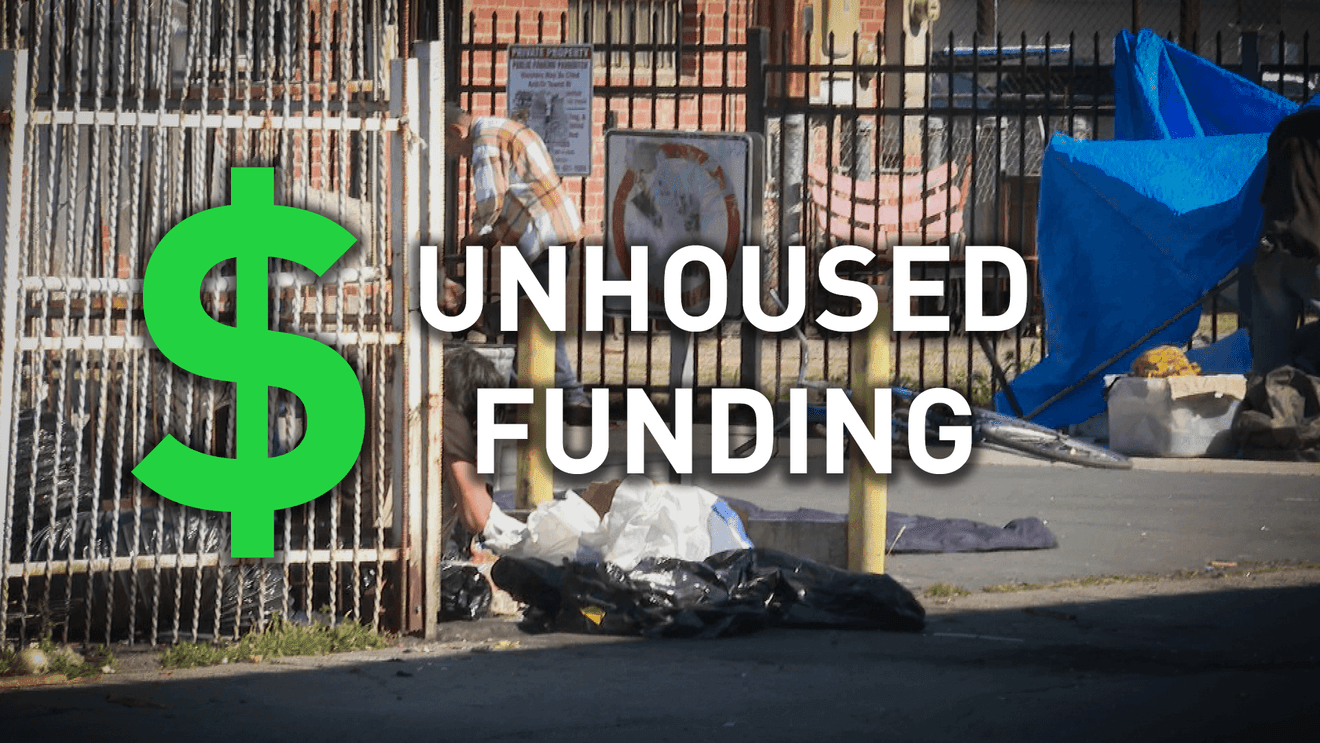
Fresno County, California—A recent audit request for the Homeless Housing, Assistance, and Prevention Program (HHAP) has sparked discussions regarding the effectiveness of state spending aimed at tackling the homelessness crisis. With approximately $24 billion allocated since 2019, the homeless population in California continues to grow, raising concerns among lawmakers and residents alike.
Concerns Over HHAP Funding
California Assemblymember Diane Dixon has formally submitted an audit request in light of these issues. Despite the substantial investment in homelessness programs, the state has witnessed an increase of approximately 30,000 homeless individuals, totaling around 181,000 statewide. This raises pivotal questions about where taxpayer dollars are being allocated and the overall effectiveness of the HHAP.
As of now, there has been no official response from the Joint Legislative Audit Committee regarding Dixon’s request. A review of the committee’s upcoming agenda for March 24 shows that the audit request is not currently under consideration.
Funding Impact on Local Communities
In the upcoming funding cycle, Fresno and Madera counties will receive $10.1 million combined from the HHAP. Local officials emphasize the importance of this funding to continue efforts aimed at transitioning individuals from homelessness to stable housing.
To date, HHAP has facilitated the placement of over 94,000 people into permanent housing statewide, with more than 4,000 individuals benefiting from the program in the Fresno and Madera regions alone.
Current Homeless Population in Fresno and Madera
Based on the recent Point-in-Time count, over 4,300 individuals are currently experiencing homelessness across the two counties. This statistic underscores the ongoing challenge faced by local leaders in addressing this critical issue.
Collaborative Efforts in Addressing Homelessness
Fresno County Supervisor Nathan Magsig stresses the necessity of joint efforts among local jurisdictions. He noted that actions taken in one city can merely displace encampments to neighboring areas.
“When a city cracks down on an encampment, individuals sometimes will just move to a neighboring city or unincorporated area,” Magsig explained.
Collaboration among Fresno, Clovis, Chowchilla, Madera City, and Madera County aims to address the homelessness crisis more effectively.
Significance of HHAP Funding
During a recent State Senate budget hearing, the significance of HHAP funding was reiterated by Ryan Finnigan, who stated that numerous programs depend on HHAP to sustain operations. Nonetheless, many residents still encounter persistent encampments, raising questions about the persistence of homelessness despite considerable financial backing.
Larger Issues Contributing to Homelessness
Magsig highlights broader state policies as contributing factors to the ongoing challenges of homelessness in the area. He points out that every effort to assist those in need is often met with a new wave of individuals entering homelessness.
He attributed part of the problem to state policies over the past decade, including the closing of approximately half of California’s prison beds. Currently, there are over 800 probation or parole individuals in Fresno County who are also struggling with homelessness.
Planned Use of New Funding
When prompted about the allocation of the recent funding, Magsig stated that the primary focus will be on maintaining and expanding existing services.
“We want to make sure that the homeless shelters that we have, the transitional housing units that we have, are maintained,” emphasized Magsig.
Fresno County officials confirmed that the current strategy is not directed towards launching new initiatives but rather on enhancing existing infrastructure and increasing available beds in local shelters.
Conclusion
With ongoing debates around accountability and the allocation of funds, local leaders understand the critical need for HHAP funding while also advocating for improved oversight. As California grapples with its homelessness crisis, the call for greater transparency and effectiveness in programs like HHAP remains loud and clear. The focus now is on how best to ensure that resources are used efficiently and lead to tangible improvements in the lives of those experiencing homelessness.
