

The Controversy Surrounding Community Solar Projects in California
Rising Concerns Over Clean Energy Strategies
As California attempts to expand its clean energy portfolio, the debate about community solar-battery projects has intensified. Advocates argue that the California Public Utilities Commission (CPUC) has selectively used data to present the Net Value-Based Tariff (NVBT) as more costly than it actually is. Ward, a prominent supporter of community projects, noted that 22 states, along with Washington, D.C., have successfully implemented community solar programs, generating gigawatts of projects without complaints of unfairness.
The Challenge of the Proposed Wholesale Rate Structure
Despite the progress in these other states, no state has adopted the wholesale rate structure that the CPUC has proposed. This structure struggles to provide project developers with the necessary revenues for profitability while keeping bills affordable for subscribing customers. The CPUC’s plan relies heavily on $250 million in federal Solar for All grants to be viable, a strategy which faces hurdles after the Trump administration canceled these grants last year. Legal challenges are currently underway to recover the funds, but a swift resolution remains unlikely.
A Missed Opportunity for Leadership
At a recent hearing, attorney Matt Freedman from The Utility Reform Network described the situation as a “huge missed opportunity and a failure of leadership.” He criticized the CPUC for adopting a “nonviable, noncompliant” community renewable-energy program that appears ill-equipped for success. Freedman stressed the urgent need for legislative support, suggesting the California Legislature should step in with more oversight and statutory direction.
The Risks of Solely Relying on Utility-Scale Solar
As California urgently strives to meet its clean energy goals, the CPUC has focused on utility-scale solar-battery projects. However, proponents of community solar-battery projects warn that neglecting mid-sized solutions is misguided. Recent statistics suggest that California is on track to add 5 gigawatts of solar and over 4 gigawatts of solar-plus-storage by 2029. While the CPUC claims utility-scale projects are the most economically viable due to economies of scale, recent reports indicate that many utility-scale projects are stalled due to incomplete transmission grid upgrades.
The Need for Alternative Solutions
Freedman cautioned that the slow pace of utility-scale projects and ongoing interconnection challenges signify that California regulators must diversify their clean energy strategies. This is crucial, especially in light of federal efforts that may obstruct utility-scale projects. Community solar-battery projects could offer a faster and more cost-effective means of meeting clean energy and grid reliability needs.
A 2025 analysis by the consultancy Aurora Energy Research found that deploying 5.4 gigawatts of community solar and storage in California could save about $6.5 billion in electricity system costs over the next two decades. Although community projects may initially appear more expensive per megawatt, they can be constructed more quickly and without the extensive transmission upgrades required for larger projects.
Discrepancies in Cost Comparisons
During the hearing, it became evident that the CPUC had not reviewed the Aurora Energy Research analysis, nor conducted any comparative studies of the proposed community solar costs against those of utility-scale solar. The CPUC suggested that compensating community solar-battery developers under the NVBT would be 2.5 times higher than under their preferred wholesale rate, a claim that sparked skepticism among state lawmakers concerned about the lack of comprehensive data.
Assembly Member Cottie Petrie-Norris emphasized the need for a unified understanding of costs and projections to prevent inconsistent legislative efforts.
Community Benefits from Past Projects
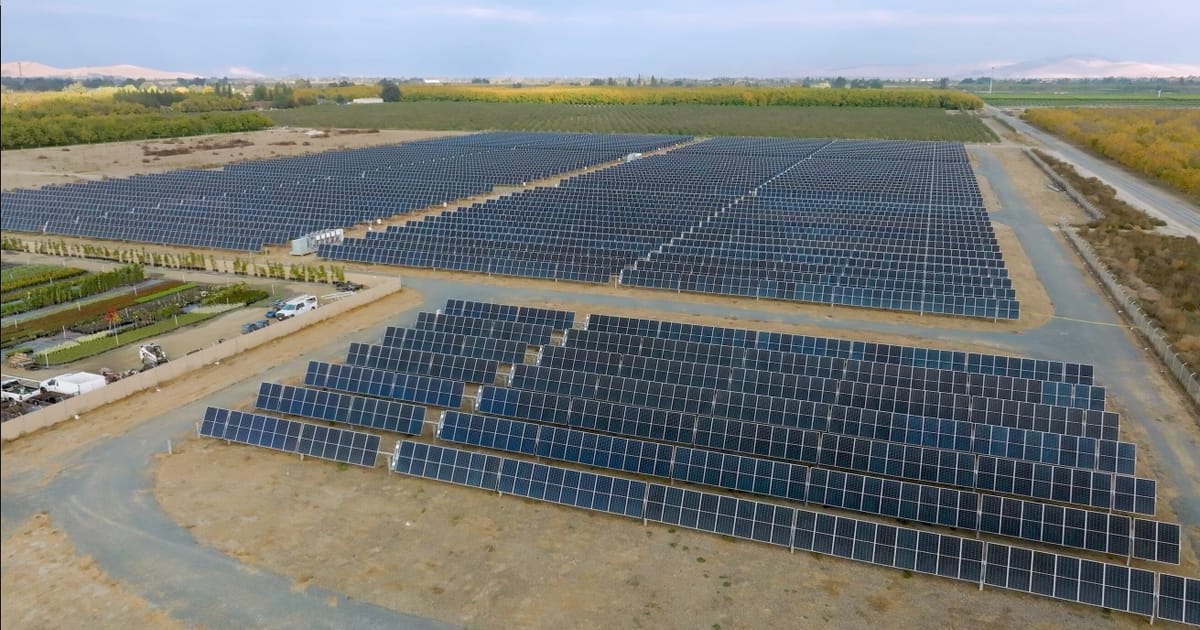
Brandon Smithwood, a community solar developer, highlighted past successes in California’s Central Valley, where three community solar projects significantly reduced utility bills for low-income subscribers. However, the current regulatory atmosphere appears less conducive to similar initiatives. Smithwood argued that the CPUC’s proposed plans, especially without committed funding, are unlikely to succeed.
Conclusion: A Call for Holistic Energy Strategies
The ongoing debate around California’s community solar-battery projects underscores the importance of a balanced approach to clean energy. By acknowledging the potential benefits of community solar and fostering legislative support, California may find viable pathways to meet its growing energy needs while ensuring reliability and affordability for its residents. As the discussion evolves, it remains crucial for regulators to prioritize data-driven evaluations and genuine collaboration with community stakeholders.
