

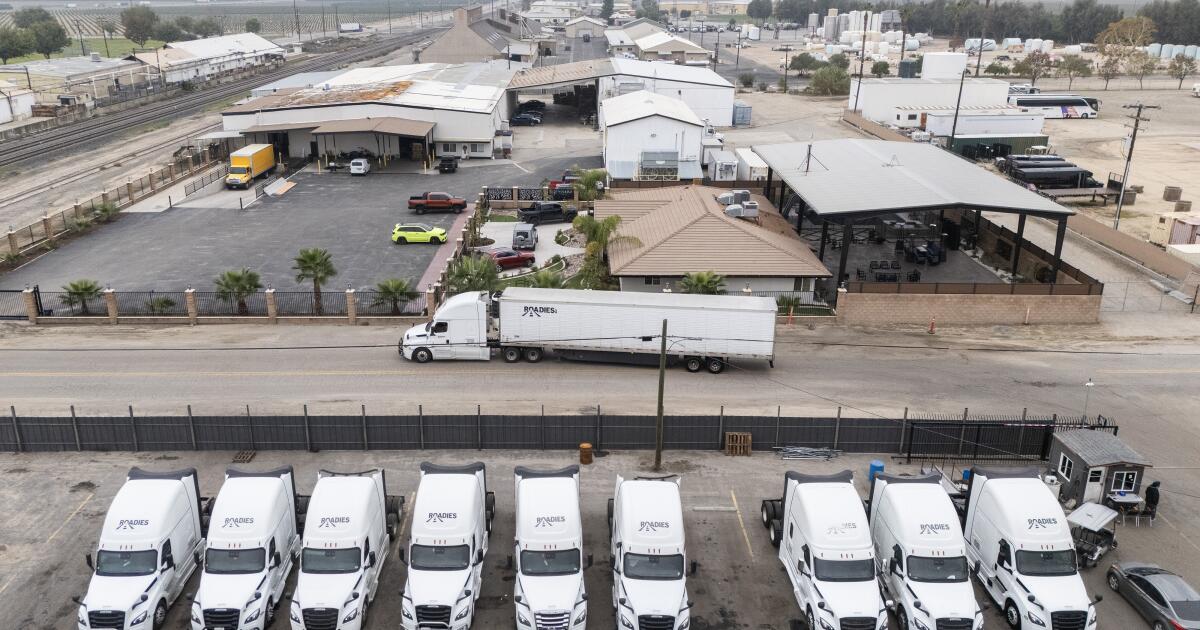
New Federal Guidelines Impact California Immigrant Driver Licenses
Thousands of immigrant drivers in California face significant hurdles in renewing or obtaining nondomiciled commercial driver’s licenses due to new federal guidelines implemented recently. This shift could affect nearly 200,000 drivers nationwide, significantly impacting the workforce.
Federal Regulations Restructured
The revised rules stipulate that states must verify immigration status through a federal portal, eliminating the option to use work permits as proof of eligibility for driver’s licenses. This change has drawn attention from many, including U.S. Transportation Secretary Sean P. Duffy, who emphasized the regulations aim to enhance safety on American roadways.
“Moving forward, unqualified foreign drivers will be unable to get a license to operate an 80,000-pound big rig,” stated Duffy, adding that the regulations prioritize public safety under previous administration efforts.
Consequences for California
These guidelines come shortly after California’s Department of Motor Vehicles (DMV) was instructed to revoke 13,000 licenses due to a clerical error that resulted in the illegal issuance of these documents. Said licenses had remained valid beyond the expiration of the associated work permits, prompting federal authorities to enforce this corrective action.
Immigrant rights organizations have voiced concerns, arguing that these new restrictions place considerable economic pressure on immigrant commercial drivers, who are legally eligible to work but now find themselves unable to secure necessary licenses. Advocates warn that the changes may further contribute to the national truck driver shortage and perpetuate anti-immigrant sentiment by implying that all immigrant drivers are unqualified.
Legal and Financial Ramifications
California’s DMV, alongside various labor unions and advocacy groups, has filed lawsuits against the federal government regarding these new regulations. However, the legal landscape remains uncertain, as the courts have yet to address these cases.
According to estimates from federal regulators, the implementation of these guidelines will cost American taxpayers approximately $3.2 million in the first year and around $1 million annually afterward to align state operations with federal standards.
Previous Controversies
California’s nondomiciled licensing program was previously scrutinized following two tragic accidents involving truck drivers who were residing in the country illegally. These incidents brought renewed criticism to specific immigrant communities, particularly Punjabi and Sikh drivers, who constitute a significant portion of the truck-driving workforce in the U.S.
In light of these developments, federal auditors revealed that California had been non-compliant with federal requirements, leading to further revocation of licenses.
Alternatives for Affected Drivers
As the implementation date of March 6 approaches, state officials have advised affected drivers to pursue Class C licenses, a process that may take weeks and leaves many in dire financial situations. Individuals who had their nondomiciled licenses canceled are now left in a lurch, facing the prospect of unemployment and financial distress.
“How am I going to pay rent? How am I going to pay my truck payments and insurance?” lamented one affected driver, who wished to remain anonymous to avoid federal scrutiny. The burden of high living expenses and delayed licensing exacerbates the anxiety and struggle faced by many immigrant drivers.
Looking Forward
The uncertainty surrounding these driver license cancellations looms large, with many hopeful that the courts might halt enforcement of the new regulations. The ongoing legal battles hold the potential to bring relief to thousands of immigrant drivers striving to remain a crucial part of California’s labor force.
For more information on the impacts of these new guidelines or to stay updated on the evolving situation, visit the Federal Register or check local news outlets for ongoing coverage.
