

California’s Environmental Protections at Risk: The Impact of SB 131
Rushed Legislation Paves the Way for Environmental Hazard
Recent legislative decisions have resulted in significant rollbacks of California’s environmental protections, prompting concern among community advocates and environmentalists. Senate Bill 131, passed in June, introduces various exemptions to the California Environmental Quality Act (CEQA), which aims to ensure transparency regarding environmental impacts of new projects.
Exemptions Leading to Dangerous Developments
The most concerning exemption within SB 131 relates to advanced manufacturing, allowing some of the most polluting projects to bypass essential environmental scrutiny. This includes facilities such as strip mines, refineries, and chemical manufacturing plants, potentially situated close to residential areas and schools without sufficient public input or environmental evaluation.
Since its inception in 1970, CEQA has mandated that public agencies disclose any environmental risks a proposed project may pose and implement mitigating measures to address them. However, SB 131 could lead to these vital procedures being set aside, endangering public health and safety.
Disproportionate Impact on Vulnerable Communities
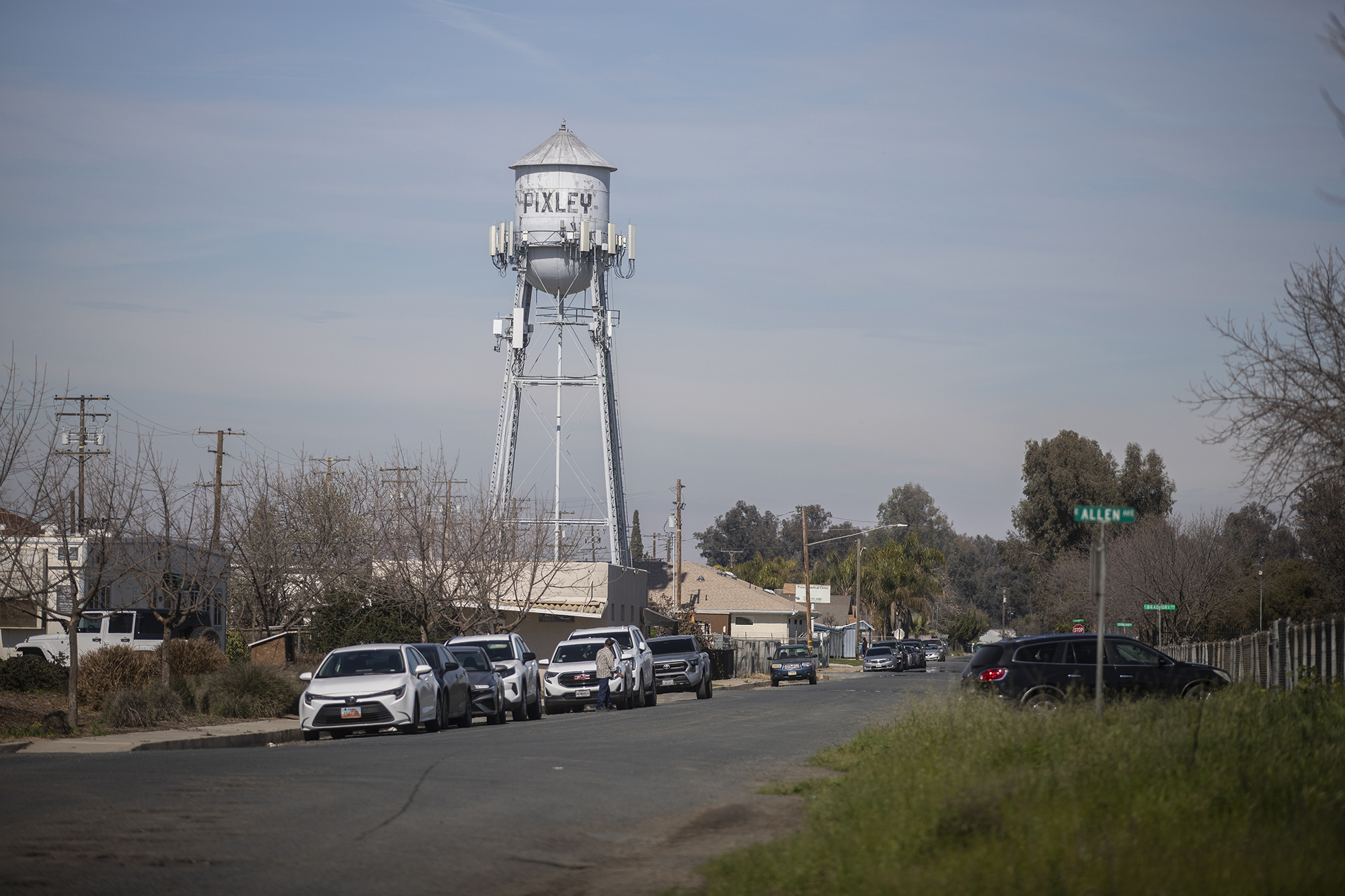
The ramifications of SB 131 will not be felt equally across the state. Low-income communities of color are particularly vulnerable, facing a higher likelihood of hosting harmful industrial projects. For instance, in Pixley, a small town in Tulare County with a population under 5,000, residents are already grappling with pollution from various sources such as transportation emissions and agricultural runoff.
In 2024, Tulare County approved an experimental hydrogen project in Pixley without prior environmental review, despite the potential risks associated with producing and storing hazardous materials.
Community Engagement and Environmental Justice
Community members in Pixley have actively challenged the county’s decision, demanding an environmental review to assess the project’s impact on their overburdened town. Without the protective measures that CEQA offers, this community could face an influx of hazardous facilities.
The reduction or elimination of CEQA reviews strips communities of their right to challenge projects that may pollute their neighborhoods. How can effective safeguards be established without proper assessment and oversight?
The Call for Legislative Responsibility
Governor Gavin Newsom and California legislators have prioritized industrial interests over public health, raising concerns about the overall environmental integrity of the state. In light of these developments, both the Assembly and Senate have introduced bills aimed at addressing the most concerning aspects of SB 131, emphasizing the importance of maintaining robust health and environmental protections.
Now is a crucial moment for legislative leaders to reassess and ensure that the health and safety of communities are safeguarded in California. Failure to rectify these issues could lead to negative consequences for decades, impacting the community and environment alike.
Conclusion
California’s environmental landscape is at a critical juncture. With SB 131 threatening to undermine decades of progress, it is essential for legislators to act now to preserve the safeguards that protect public health and the environment in vulnerable communities like Pixley. Restoring transparency and accountability should be a top priority, ensuring that future developments do not come at the cost of community safety and wellbeing.
For more information on California’s Environmental Quality Act and its implications, visit CEQA Overview.
