

Combatting Extreme Heat: California’s Urgent Action Plan
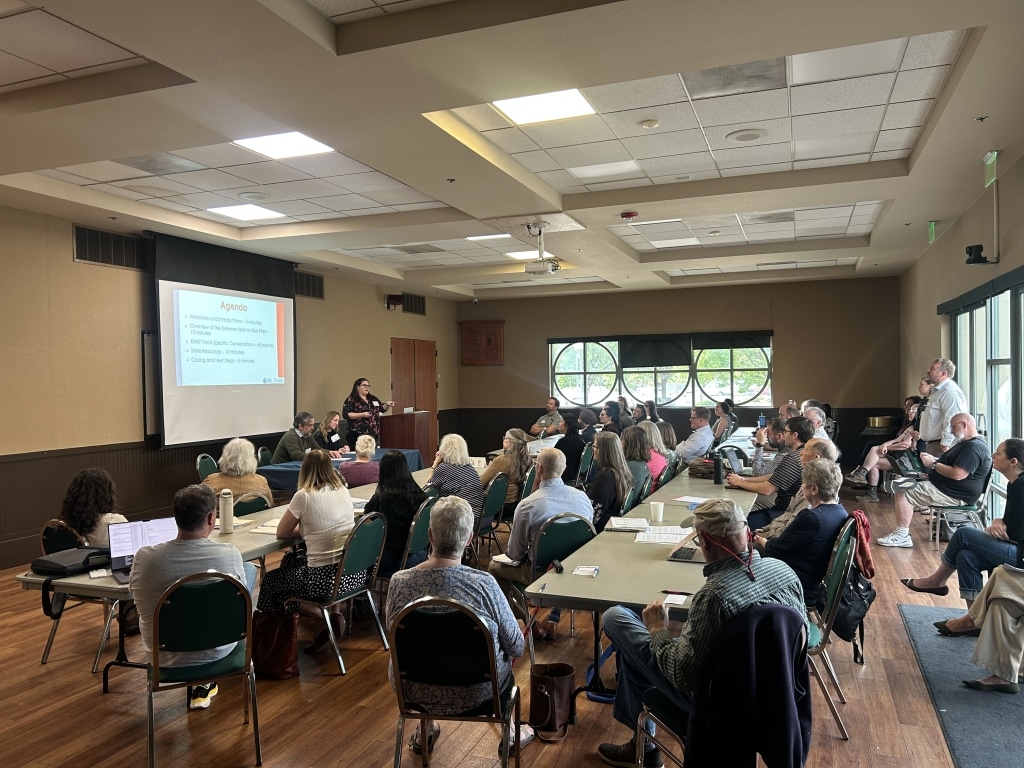
Community members participate in a listening workshop focused on the impacts of rising heat. Photo by Annelise Pierce.
Understanding Extreme Heat in California
The impact of extreme heat poses a significant threat across California, especially in regions experiencing soaring summer temperatures. The California state government defines extreme heat as temperatures exceeding historical averages for a specific area over an extended period. This phenomenon is especially alarming for vulnerable populations, including seniors, infants, the unhoused, and individuals with disabilities.
To mitigate these risks, local communities are actively implementing strategies such as issuing heat alerts and opening cooling centers. However, the urgency of addressing this issue is underscored by the Extreme Heat Action Plan developed by California’s Governor’s Office of Land Use & Climate Innovation, which first launched in 2022 and is undergoing updates this July.
Community Engagement in Redding
On March 17, 2026, California state representatives convened at the Redding City Hall Community Room to engage local community members in discussions about heat response strategies. Attendees from various organizations participated in an interactive workshop aimed at contributing to the state’s draft Extreme Heat Action Plan, which is focused on enhancing public awareness and improving community resilience in the face of rising temperatures.
Main Goals of the Extreme Heat Action Plan
The draft plan centers on several crucial goals:
- Public Awareness and Notification: Creating efficient processes for informing communities about heat risks.
- Strengthened Community Services: Enhancing local responses to extreme heat conditions.
- Infrastructure Resilience: Improving the durability and reliability of essential services under extreme heat circumstances.
- Nature-Based Solutions: Exploring eco-friendly approaches to mitigate heat impact.
The Importance of Local Input
Redding Electric Utility Director, Nick Zettel, highlighted the link between wildfire risks and extreme heat, urging state support for municipalities in wildfire mitigation and electrical infrastructure updates. The economic implications of extreme heat resonate with many attendees, leading to discussions about necessary policy changes, including landlord responsibilities and accessibility of cooling centers.
Environmentalists also raised the need for increasing the shade canopy in Redding through both tree preservation and new plantings, particularly in areas frequented by low-income residents. Discussions emphasized the challenge of securing funding for tree maintenance once planted.
Safeguarding Communities Against Heat
Former Shasta Registrar of Voters, Cathy Darling Allen, raised concerns regarding election accessibility during extreme heat events, noting that over a third of local elections in Shasta County have occurred on days with temperatures exceeding 90 degrees. This reflects a broader need to consider the impacts of extreme heat on all community services and infrastructure.
Enhancing Public Outreach
One of the most dynamic discussions revolved around improving public outreach regarding extreme heat alerts. Current state initiatives include the CalHeatScore, a mapping tool designed to disseminate heat risk information. However, participants emphasized the need for proactive communication, particularly for the most at-risk populations.
Local tech entrepreneur Jason Salter advocated for a system that delivers clear and direct information to those vulnerable to heat, suggesting that proactive alerts could significantly enhance community safety.
Engaging with the Extreme Heat Action Plan
The public can contribute their opinions and suggestions regarding the draft Extreme Heat Action Plan until April 8, 2026. Community members are encouraged to send their feedback through mail, email, or online submissions.
California’s battle against extreme heat is a pressing issue that requires the cooperation of state agencies, local leaders, and community members alike. By focusing on collaboration and proactive strategies, California aims to safeguard the health and well-being of its residents as rising temperatures become an increasingly prevalent challenge.
For more detailed information on extreme heat and community preparedness, visit the California Department of Public Health website.
