

The Disappearance of Cesar Chavez’s Legacy in California
A Rapid Backlash Against a Labor Icon
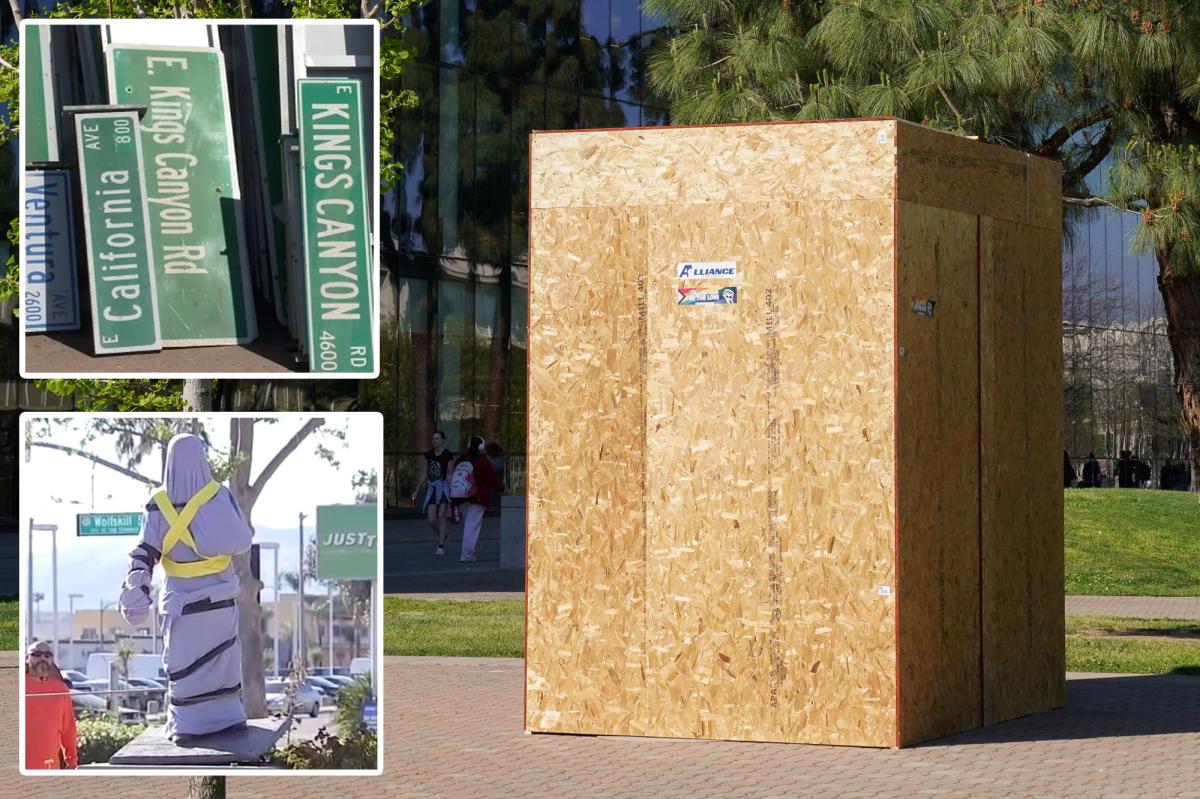
Cesar Chavez, once celebrated as a pivotal figure in the fight for labor rights, is increasingly vanishing from California’s public spaces. Statues are being removed, street names erased, and murals bearing his likeness covered up as communities grapple with renewed scrutiny of his legacy.
Recent Developments Across the State
In San Fernando, a statue honoring Chavez was taken down, while Santa Ana College has concealed murals that once proudly displayed his image. In a striking move, Fresno city leaders unanimously decided to rename a major boulevard, stripping it of Chavez’s name and reverting to its original designation. These actions signal a dramatic shift in how the civil rights leader is perceived.
Historical Context of Chavez’s Legacy
For decades, Chavez was known as the co-founder of the United Farm Workers (UFW), advocating tirelessly for the rights of farmworkers and representing Latino political empowerment. His efforts helped transform labor practices within the agricultural sector and positioned him as a symbol of hope for many.
Emerging Allegations Spark Controversy
However, newly surfaced allegations regarding Chavez’s personal conduct have prompted a reconsideration of the honors linked to his name. Reports have indicated troubling behaviors that have necessitated a reassessment of his celebrated status.
Community Reactions to the Changes
The reactions to these changes are divided. Some community members argue that removing symbols of Chavez erases important elements of Latino history and the progress he inspired. Others contend that it is essential to prevent the honoring of someone whose character is now called into question. Community concerns and public accountability are being cited as pivotal reasons for these recent actions.
The Future of Chavez’s Recognition
As more local governments and school boards conduct reviews of monuments, murals, and street names, officials expect this trend to continue. California could be witnessing one of the fastest and most widespread retractions of a public legacy in recent memory, and it appears there is no indication this momentum will slow.
Conclusion: A Complex Legacy
The dismantling of Chavez’s legacy serves as a microcosm of broader societal debates over who we choose to honor in public spaces. As communities grapple with the complexities of his life and contributions, the future of public recognition for Chavez remains uncertain. Whether these changes will contribute to an enhanced understanding of history or lead to a loss of significant cultural narratives is a question that will need careful consideration in the coming years.
For more on the challenges of evaluating historical figures, visit NPR and The Atlantic.
