

High Impact Fees Thwart Dreams of Homeownership in California
The Dilemma of Francisco Sanchez
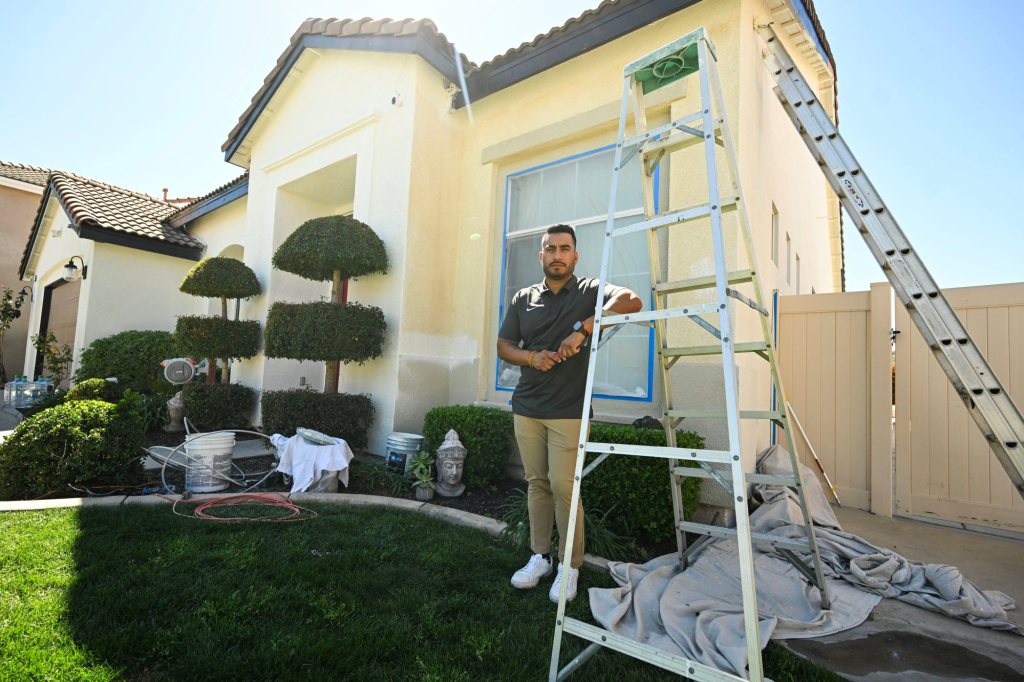
In Wildomar, California, veteran Francisco Sanchez faced a significant setback in his dream of building a home. Originally envisaging a spacious 3,600-square-foot contemporary Mediterranean-style residence, Sanchez had to scale down to a 2,400-square-foot design due to escalating costs, specifically impact fees that added over $130,000 to his budget.
Planning the Dream Home
Sanchez, an experienced commercial real estate adviser and Marine veteran, had secured a Veterans Affairs construction loan and was prepared to invest nearly $200,000 into a 2-acre property. His dreams rested on selling his existing home just five minutes away for $950,000. However, as he contemplated family features like a batting cage for his 11-year-old daughter, the reality of excessive development fees darkened his vision.
Understanding Impact Fees
Impact fees are levies imposed by cities to fund essential infrastructure like roads, sewers, and schools to accommodate new developments. Although these costs are typically borne by developers, they eventually trickle down to homebuyers, inflating home prices. In Sanchez’s case, the fees for the neighborhood he aimed to build in stemmed from the charges that KB Homes, a national developer, initially paid to the city.
The Legal Landscape
The legality surrounding these fees was highlighted in the Supreme Court case Sheetz vs. El Dorado, which emphasized that local governments must justify these costs. However, the precise standards for justification remain ambiguous, posing challenges for potential homeowners and developers alike. According to Ben Metcalf of UC Berkeley’s Terner Center for Housing Innovation, the variability in how these fees are interpreted leads to inconsistencies in their application.
Economic Impacts of High Fees
In California, cities have increasingly relied on impact fees for revenue, particularly after the passage of Proposition 13 in the 1970s, which capped property tax increases. In areas like Riverside County, where the median income is $93,000 and the average home price stands at $640,000, these fees constitute about 5% of city revenue. Wildomar alone has raised approximately $12.4 million from residential impact fees over the past decade.
Legislative Efforts to Reform Impact Fees
To combat high impact fees, initiatives like Senate Bill 1036 and Assembly Bill 1820 are currently under consideration. They aim to require local governments to assess the actual impact of developments on infrastructure more critically. Dan Dunmoyer, president of the California Building Industry Association, asserts that these regulations would foster greater transparency regarding costs connected to homebuilding.
The Struggles of Homebuilders
Sanchez’s experience echoes the sentiments of many potential homeowners and small builders in California. His aspiration to build a home transformed into disappointment as he withdrew his deposit and decided to renovate his current residence after 12 years of living there. He described the experience as “heartbreaking,” stressing the barriers that high local fees create not only for individuals like him but also for families and small developers trying to maintain a growing presence in their communities.
Future Outlook
Despite legislative proposals aimed at reducing impact fees for affordable housing complexes, these charges still add an estimated 6% to 18% to the average home price. As Dunmoyer highlights, the existing fee structure demands careful scrutiny, especially when it drastically hampers the ambitions of families seeking to build homes.
In Conclusion
The complexities surrounding impact fees in California continue to challenge aspiring homeowners like Francisco Sanchez. As discussions around housing production and affordability persist, the resolution of these issues will be critical for the future of homebuilding in the state. To learn more about your financing options and the homebuilding process, consider exploring resources through the U.S. Department of Housing and Urban Development and local housing authorities.
By addressing the pressing issues surrounding impact fees and housing affordability in California, this article serves to inform readers about the obstacles faced by many and the ongoing legislative efforts to mitigate these challenges.
