

La Vina Homeowners Association Faces Backlash Over Wildfire Bills
The aftermath of the devastating Eaton wildfire in Altadena, California, has stirred significant controversy surrounding the La Vina Homeowners Association (HOA). Many residents who tragically lost their homes now face hefty bills from the HOA, raising ethical questions amid the ongoing recovery.
Toll of the Eaton Wildfire
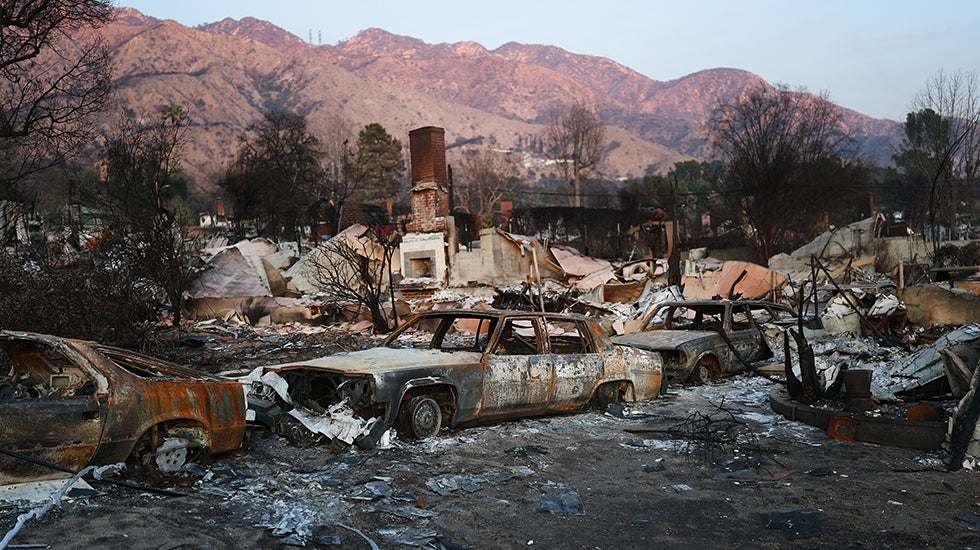
The Eaton wildfire, which ignited on January 7, 2025, became one of the top three most damaging wildfires in California’s history, destroying over 16,000 structures throughout Los Angeles County. Tragically, the fire resulted in at least 31 fatalities. In La Vina alone, 52 out of 272 homes were lost, forever altering the fabric of this once-luxurious community.
As residents attempted to rebuild their lives, they were met with a shocking surprise: a $23,000 bill issued by their HOA last July. The association demanded payment by September 1, leaving residents with little time to respond.
Divided Community
A lawsuit has been filed against one resident by the La Vina HOA, seeking to foreclose on the empty lot where their home once stood. The intention behind these fees, according to the HOA, is to cover $6.4 million in damages sustained during the wildfire and to assist in the community’s rebuilding efforts. However, this has led to a sharp divide among residents.
While some homeowners, aided by their insurance policies, view the fee as reasonable and minimal, others argue the short notice for payment was unfair. “Who treats their friends and neighbors so heartlessly after the greatest catastrophe of their lives?” questioned resident Ryan Harmon. “Not every resident has $24,000 lying around months after their house burned.”
Community Response
Communities impacted by natural disasters, like the Eaton wildfire, often band together, showcasing remarkable acts of neighborly support. Such efforts were evident in La Vina, where residents worked to help each other evacuate and protect homes.
Despite these commendable gestures, the HOA’s actions have fueled discontent. Many residents feel abandoned during their time of need, and the HOA board has faced criticism for their handling of the situation. Multiple requests for comments from the HOA board, management company, and attorneys have gone unanswered, further deepening community frustration.
Conclusion
The La Vina HOA’s billing practices in the wake of the Eaton wildfire have raised questions about compassion and community responsibility during difficult times. While the necessity of rebuilding and recovering is undeniable, the methods adopted by the HOA have sparked outrage among residents who are still grappling with their losses. As legal battles unfold and public sentiment grows, the future of the La Vina community hangs in a delicate balance.
For more on the impact of wildfires in California, view the full report by the Los Angeles Times.
