


The Ecological Resurgence of Beavers in California’s Central Coast
Policy & Environment | April 8, 2026 | 6 min read
Beavers, often dubbed nature’s furry water engineers, are experiencing a remarkable resurgence in California’s Central Coast, thanks in part to the California Water Boards and dedicated local volunteers. This environmental renaissance signals a significant shift in our understanding of these unique creatures and their invaluable role in maintaining healthy ecosystems.
Funding the Future: The Drinkable Rivers Program
The comeback of beavers is being supported by funds from a 2021 settlement agreement between the Central Coast Regional Water Quality Control Board and Pacific Gas and Electric Co. The initiative, known as the Drinkable Rivers Program in San Luis Obispo County, engages a diverse range of participants—from elected officials to students—immersing them in hands-on experiences that spotlight the environmental benefits of beaver dams and ponds.
Ryan Lodge, executive officer of the Central Coast Water Board, highlights the program’s dual impact: “The program not only helps the river, wildlife, and the environment; it also directly involves the public. Providing hands-on experience fosters long-term support for protecting the Salinas River.”
The Role of the Central Coast Water Board
The Central Coast Water Board stands among California’s nine regional boards, which oversee water quality standards and enforcement actions. Their work is pivotal in maintaining the health of water bodies across their jurisdictions.
The North American Beaver is known as a keystone species and an ecosystem engineer. Credit: Adobe Stock
Beavers: From Pests to Protectors
Historically viewed as pests, beavers have earned recognition for their ecological importance. Their dams enhance groundwater levels, improve water quality, foster biodiversity, and even mitigate wildfire risks. The impact of beaver dams on the environment has garnered attention from conservationists.
Audrey Taub, executive director of the San Luis Obispo (SLO) Beaver Brigade, passionately notes, “Beavers are our original river stewards and truly a keystone species; they are worth getting excited about.” She emphasizes their ability to bolster California’s resilience against climate change, droughts, and wildfires.
A Historical Perspective
Beavers once thrived across North America, with populations estimated at up to 200 million. However, aggressive trapping and land use in the 1800s drastically reduced their numbers to an estimated 10-15 million today. This historical context underscores the significance of current conservation efforts.
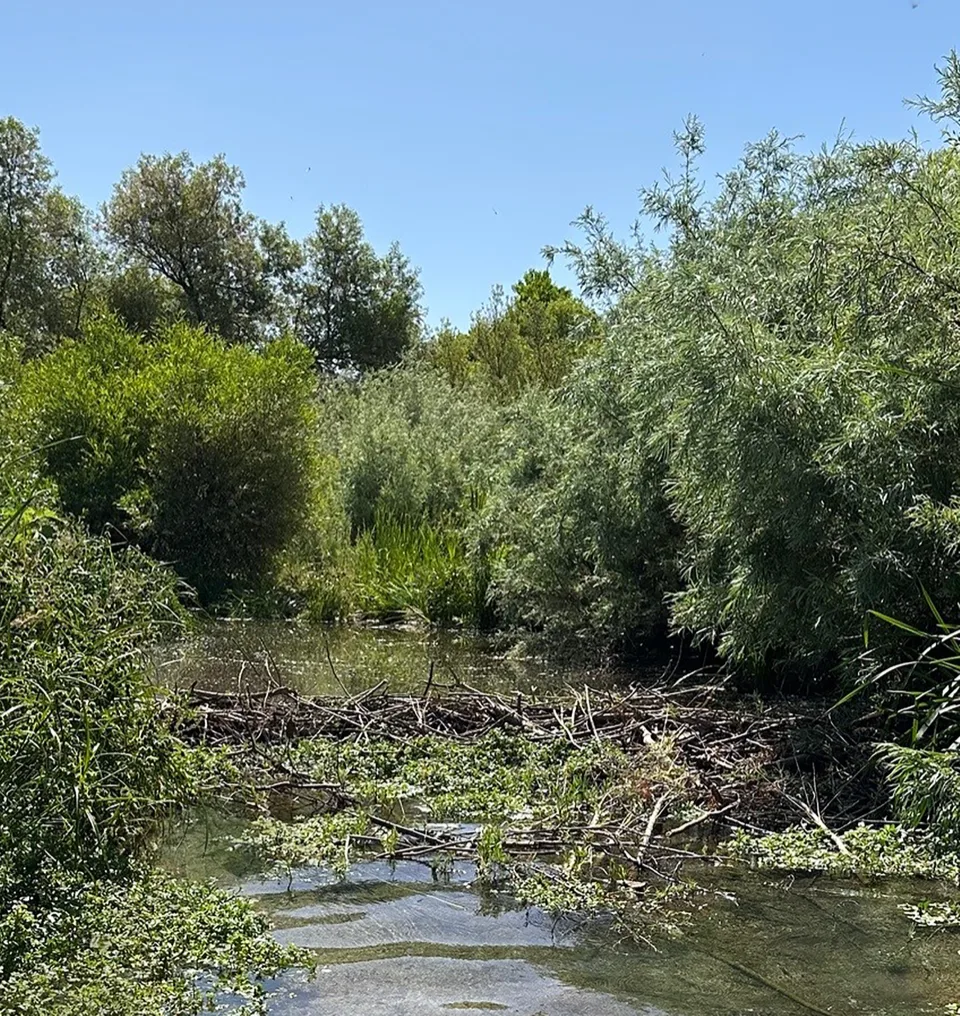
Among many other benefits, beaver dams can raise groundwater levels by slowing flows. Credit: California Water Boards staff
A Comeback Story
Thanks to collaboration with conservationists, California’s beavers are reestablishing their presence. In 2023, the California Department of Fish and Wildlife launched its first beaver conservation release, reintroducing beavers to the ancestral lands of the Mountain Maidu people in Plumas County. Governor Gavin Newsom remarked, “Thanks to the leadership of our tribal partners and years of preparation, beavers are returning to their original homeland around the state.”
Engaging the Community
The Beaver Brigade ensures community engagement through educational tours, embracing the philosophy that participants must be willing to get wet. On sunny summer mornings, these tours invite individuals to explore the Salinas River, learning about beaver dams and their ecological roles.
Ryan Lodge asserts, “Providing hands-on experience builds support for protecting the Salinas River in the long term.” This initiative not only educates participants about the environmental benefits of beavers but also highlights the significance of water bodies for agriculture in the Salinas Valley.
Educational Initiatives
Participants on the one-day tours—available in both English and Spanish—gain insights into beaver behavior, along with the role dams play in reducing pollutants. Taub adds, “People that go on our tours become beaver believers instantly,” emphasizing the beauty of experiencing wildlife first-hand.
Additionally, the Beaver Brigade utilizes grant funding from Central Coast Water Board initiatives to offer summer internships that equip teenagers with valuable career skills and foster connections with local educational institutions.
Enforcement that Supports Environmental Goals
The Water Boards’ Office of Enforcement is crucial in safeguarding water quality for present and future generations. They collaborate with public water systems and regulate compliance with environmental laws.
In fiscal year 2024/25, the Water Boards executed over 2,500 informal enforcement actions, imposing approximately $29 million in penalties for violations. These actions often include environmentally beneficial projects, such as initiatives educating individuals about the significance of beavers.
Audrey Taub emphasizes, “The funding we receive [from the 2021 PG&E settlement] allows us to broaden whom we can take out to see the re-emerging beaver habitat and educate about the importance of the health of the Salinas River.”
Conclusion
The resurgence of beavers in California’s Central Coast is a testament to successful conservation efforts that blend community involvement, historical knowledge, and practical enforcement. By promoting ecological education and collaboration, beavers are reclaiming their role as vital contributors to the health of our water systems and ecosystems.
For more details on the Water Boards’ initiatives, visit their enforcement program page.
