

Unraveling the Fog: Why Central California Has Been Shrouded in Mystery This Winter
A Record-Breaking Foggy Season
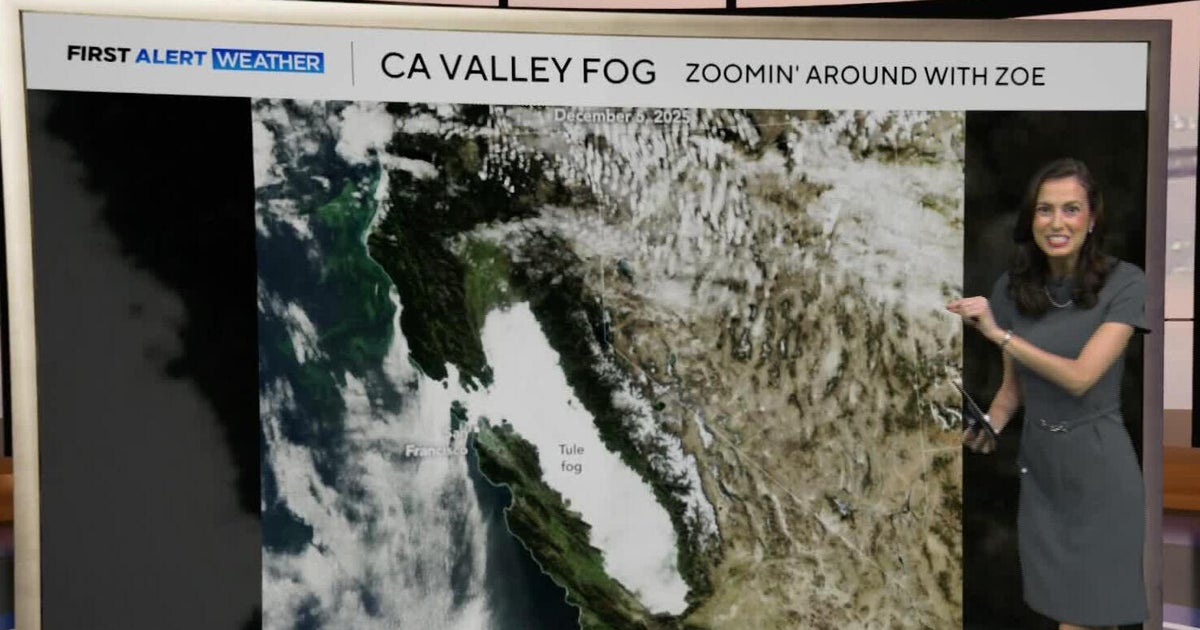
Central California has experienced an unprecedented winter, marked by an astonishing 22 consecutive days of fog throughout December. This duration of dense fog is the longest string of such weather since the 1970s, captivating both residents and meteorologists alike. But what has led to this significant increase in fog?
The Role of Excess Rainfall
The story begins in the fall of last year, when central and southern California saw extraordinary rainfall amounts, registering 300-400% above the seasonal average from September to November. This heavy precipitation set the stage for the development of thicker fog in the region. The moist conditions created by this record-breaking rain have been pivotal in fueling the fog’s persistence.
High Pressure: A Lid on Moisture
Following the excessive rains, a robust area of high pressure settled over the state. This high-pressure system acted like a lid on the Central Valley, trapping the moisture that had accumulated. The geographical characteristics of the valley—acting like a bowl—allowed for the development of thick fog during the cold winter nights. On evenings when winds are calm and skies are clear, this moisture coalesces to form fog that lingers because no storm systems are present to disperse it.
Understanding the Inversion Layer
A critical factor contributing to the fog’s consistency is the inversion layer. Typically, air temperature decreases with altitude; however, an inversion layer occurs when cold air is trapped at the surface beneath a layer of warm air. This phenomenon creates a “lid” that prevents cool air near the ground from escaping, resulting in stagnant air that exacerbates fog formation.
The inversion layer does not only impact the Central Valley; it also affects air quality in the nearby Bay Area. When an inversion layer is in place, the visibility diminishes due to the accumulation of fog and pollutants. Residents may often notice a distinct haze in the sky, a telltale sign of an inversion layer trapping warmer air above cooler conditions.
Conclusion: The Impact of Atmospheric Conditions
The persistent fog in Central California this winter is attributed to a combination of record rainfall, a stable high-pressure system, and the presence of inversion layers. As weather patterns continue to evolve, understanding these intricate atmospheric dynamics will help residents appreciate the unique climate challenges faced in the region.
For more insights on weather phenomena and their effects, visit The Weather Channel or National Weather Service.
