

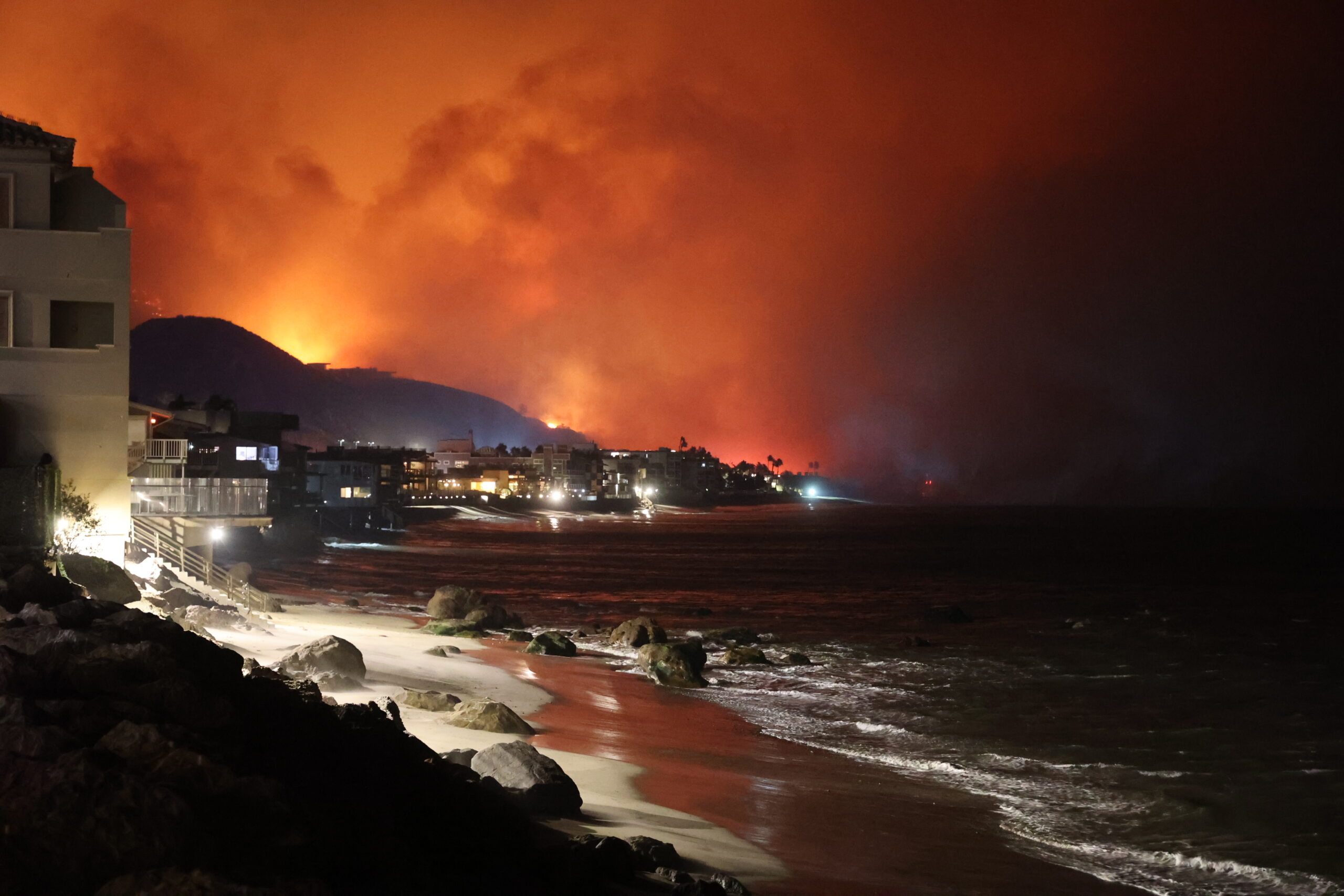
California’s Wildfire and Homeowners Insurance Crisis in 2025: An In-Depth Overview
As 2025 unfolds, California’s wildfire and homeowners insurance crisis remains at the forefront of the news, capturing widespread attention in the insurance landscape. Here’s a comprehensive look at the year’s developments, key stories, and their implications for homeowners and insurers alike.
The Insurance Landscape Shift Due to Wildfires
This year witnessed several major insurance companies retreating from offering homeowners policies in California. In response, the state’s insurance regulator adjusted its longstanding property/casualty insurance laws, allowing for faster rate adjustments. Insurers, in exchange, committed to covering riskier areas and potentially resuming coverage in regions heavily affected by wildfires.
This drastic change comes on the heels of unprecedented wildfire incidents in Los Angeles, resulting in staggering losses estimated at around $40 billion, marking it as an international record as per Swiss Re.
Key Stories from California’s Wildfire Crisis
1. Will California’s FAIR Plan Have Enough Cash for Its Wildfire Claims?
Concerns about the California FAIR Plan—the last resort for homeowners insurance—were a hot topic early in the year. Analysts raised alarms regarding the adequacy of the FAIR Plan’s surplus to cover extensive wildfire claims. In response to these financial pressures, California’s Insurance Commissioner approved a $1 billion assessment on admitted market insurers to help cover claims related to the devastating Palisades and Eaton fires.
Further details emerged that the FAIR Plan had disbursed over $914 million to policyholders for these wildfire claims.
2. Fire Losses Lead to Increasing Economic Impact
As wildfires engulfed vast areas, articles monitoring the economic impact garnered significant interest. J.P. Morgan’s early estimates suggested losses could reach nearly $10 billion, with AccuWeather warning of total losses potentially exceeding $50 billion.
Following these wildfires, many victims called for urgent policy changes and accountability from California’s Insurance Commissioner over the reforms aimed at tackling the homeowners insurance crisis. The calls for reform highlighted the voices of those affected, including victims advocating for regulatory adjustments to ensure adequate coverage.
3. Rising Insurance Rates: State Farm’s Reaction
In the wake of financial strain from wildfires, State Farm sought a significant 22% rate increase for homeowners insurance. California’s Insurance Commissioner provisionally gave the green light, highlighting the urgency for insurers to remain in the market amidst rising operational costs.
Similarly, State Farm’s original 17% rate request was subsequently approved, raising concerns among homeowners about potential cost hikes projected to exceed $1,000 in increased premiums.
Emerging Lawsuits Post-Wildfire
Homeowners vs. Insurers
Following the devastating wildfires, several lawsuits emerged against major carriers, including USAA. Homeowners alleged that insurers underestimated the replacement costs of their properties, leaving them underinsured. These lawsuits reflect a growing dissatisfaction with insurance companies’ claims handling.
One high-profile lawsuit implicated a communications contractor linked to fatalities during the Eaton Wildfire, spotlighting liability for alleged negligence during evacuation procedures.
Further Relevant Developments
Legislative Changes and Insurance Fraud Cases
In addition to wildfire-related stories, legislative actions sparked interest among readers. Notable was the Washington State Senate’s passage of bills authorizing the insurance commissioner to order restitution to harmed policyholders.
Meanwhile, the insurance community was also shaken by reports of a multi-million-dollar insurance fraud case, involving a network of individuals who misrepresented life insurance policies to earn fraudulent commissions.
Retail Giants and Electric Vehicles
The electric vehicle market witnessed shifts as Tesla saw its share of California’s EV sales fall from 55.5% to 43.9%. Regulatory scrutiny over Tesla’s marketing practices highlighted challenges even within this innovative sector.
Conclusion
California’s wildfire crisis and its impact on homeowners insurance marked the year as one of significant challenges and critical developments. With major insurance companies reassessing their positions, regulatory adjustments, and rising premiums on the horizon, both homeowners and insurers will need to adapt to this evolving landscape. The stories from 2025 not only reflect immediate concerns but also underscore an urgent call for comprehensive policy reform and accountability in the insurance sector.
For a deeper exploration of California’s insurance landscape or inquiries about homeowners insurance options, look to trusted insurance resources online.
