

Rising Fear and Isolation: The Sikh Community in California Amid ICE Enforcement
Introduction
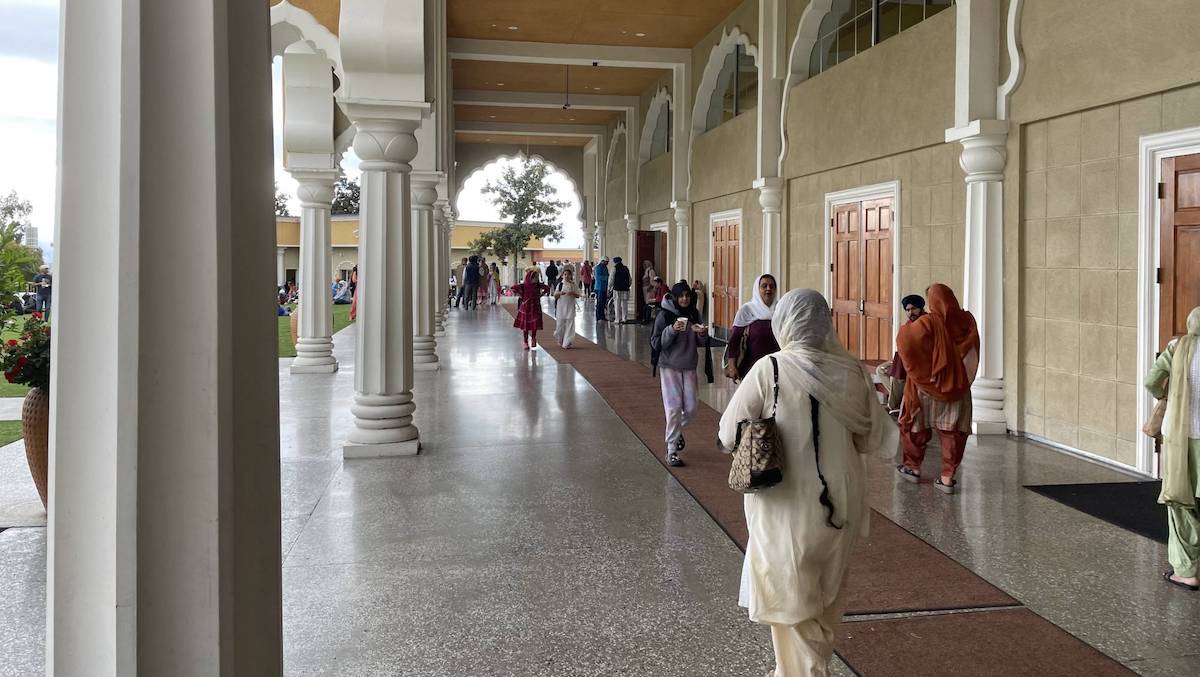
Perched atop the hills of East San José lies the largest Sikh temple in the United States, known as Gurdwara Sahib. This temple, with its iconic white domes, has long served as a spiritual and communal lifeline for thousands of worshippers. However, in recent months, a palpable fear has enveloped the community due to increasing immigration enforcement measures impacting Sikh immigrants.
The Hidden Undocumented Population
Sikh immigrants, particularly those from Punjab, are often overlooked in discussions about undocumented communities in the U.S. Recent statistics reveal that approximately 35,000 individuals from India were apprehended at the U.S. border this year alone, many of whom are Punjabi Sikhs seeking better opportunities or political refuge. Unfortunately, shifts in immigration policy leave many of these immigrants vulnerable, especially those in low-wage jobs.
Impact of the Department of Homeland Security’s Memo
A January memo from the Department of Homeland Security (DHS) expanded the operational scope for federal immigration agents, enabling them to conduct routines in traditionally “safe” locations such as hospitals, schools, and places of worship. This heightened ICE enforcement has left many Sikhs questioning the safety of their gurdwaras.
Gurdwaras: More Than Just Places of Worship
Gurdwaras serve as vital resource hubs, offering services ranging from medical care to social support. With Punjabi being the third most spoken language in several California counties, congregants often find comfort and essential information within these walls. Tanay Gokhale, a journalist covering this issue, emphasizes the importance of gurdwaras as a touchstone for Sikh immigrants navigating their new lives.
Decline in Attendance and Its Consequences
The fear of immigration enforcement has alarmingly led to a drop in attendance at gurdwaras. Worshippers are increasingly hesitant to attend, worried that their presence might draw unwanted attention. This reduction not only affects the spiritual life of the community but also deprives many of access to essential resources provided at these temples.
Interview Insights: The Experience of Sikh Community Members
During a conversation with journalist Tanay Gokhale, he shared that many newcomers from India face an alarming reality. With a focus on blue-collar jobs, these individuals often lack legal documentation, making them particularly susceptible to policies that enforce stricter immigration regulations.
Dr. Harpreet Singh Pannu, who runs a free medical clinic at the San José gurdwara on Sundays, notes the dual challenge of providing healthcare in a climate of fear. “People are concerned they’ll face legal issues just by seeking help,” he remarked.
Community Support: A Focus on Connection
The personal stories of individuals, such as Simran Singh, illustrate how community members are stepping up to support Sikh detainees in immigration facilities. Singh’s visits to centers highlight not only the isolation these detainees experience but also the importance of providing kinship and spiritual connection through shared faith.
The Challenges of Detention Facilities
In the past few years, the number of South Asian detainees, especially Sikhs, has escalated. They often lack access to religious articles crucial for their faith, such as gutke (prayer books) and turban cloths. Singh has been pivotal in arranging these essential items for detainees, reinforcing the power of faith as a unifying aspect in difficult times.
Conclusion: Urgency for Greater Advocacy
While some individuals continue to advocate for the rights and needs of this community, more attention is necessary to support Sikh immigrants facing challenges related to immigration enforcement. With growing numbers of undocumented Sikh individuals and families, the importance of awareness and resources cannot be overstated. Gurdwaras will continue to be vital for spiritual and social support, especially as community members navigate an increasingly hostile environment.
As the Sikh community remains in a state of fear and uncertainty, they are also resilient. Through community connections and the support of individuals dedicated to advocacy, there is hope for fostering safety and solidarity amid adversity.
For further insights, check out the California Report Magazine’s original piece here.
