

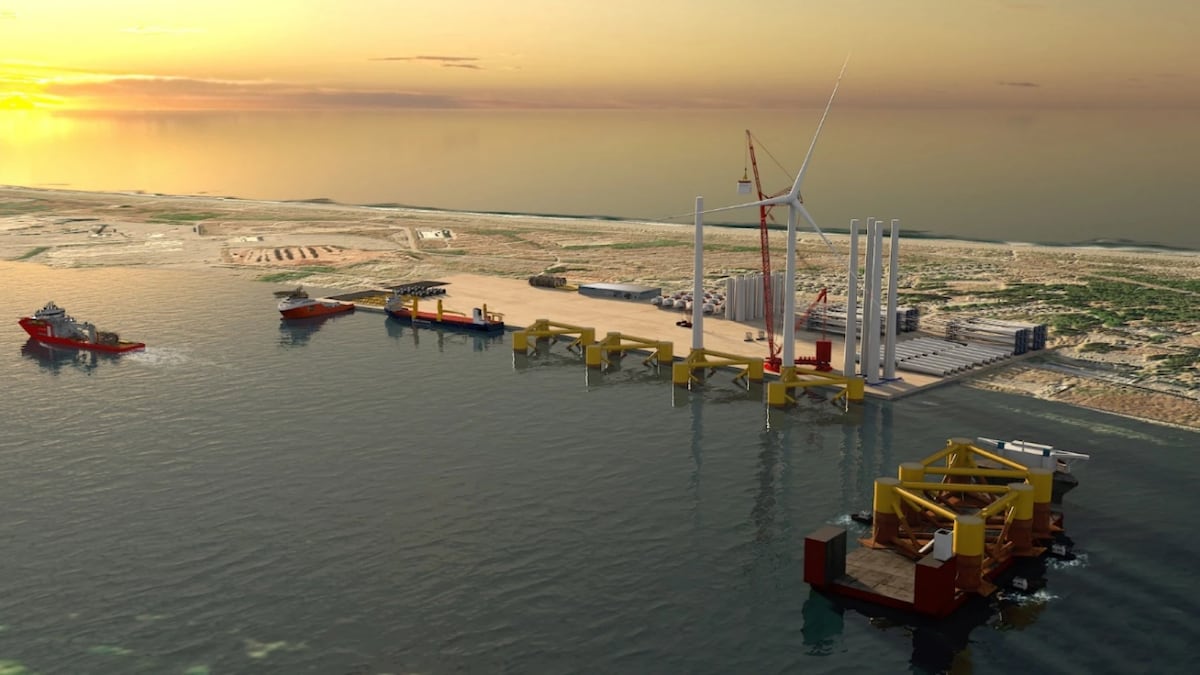
Advancements in Offshore Wind Energy on the West Coast
A significant shift towards offshore wind energy is underway along the West Coast, despite challenges posed by previous federal administrations. Companies are actively planning large floating wind farms, positioning communities to benefit economically through community benefit agreements (CBAs). These agreements can encompass workforce training, local investments, or direct payments to nearby areas.
Community Benefits from Offshore Wind Projects
Researchers from Oregon State University and various partners, including the Schatz Energy Research Center at California State Polytechnic University, Humboldt, are investigating community perceptions surrounding CBAs related to offshore wind initiatives. Julia Bingham, a postdoctoral scholar at Oregon State University, noted that these agreements are being incorporated into policy actions. They provide developers an opportunity to earn bidding credits during offshore wind lease processes.
In the 2022 offshore wind lease auction in California, all five winning companies pledged millions toward CBAs, highlighting a commitment to mitigate their projects’ impacts on local communities. For instance, California North Floating LLC, which has secured a lease off the Eureka coast, pledged $6.7 million to support its agreement with the surrounding area.
Assessing Community Needs and Perspectives
The research team focused on key stakeholders, including community leaders and residents, to gauge their readiness and concerns regarding offshore wind projects. Graduate research assistant Lauren Hart shared insights from door-to-door conversations, noting that community engagement can foster productive discussions.
Initial findings indicate that many smaller, rural communities might lack the necessary resources and expertise to engage effectively in CBA negotiations. Bingham emphasized that balancing the demands of engaging in offshore wind discussions and local administration can be daunting for these areas.
The research suggests that California communities generally have a more positive outlook on offshore wind compared to their counterparts in Oregon and Washington. However, confusion about the information surrounding offshore wind persists, leading many community members to feel overwhelmed.
Building Resources for Community Engagement
The research team is committed to sharing their findings with local communities. Recent presentations, including one in Eureka that attracted around 100 attendees, revealed a strong desire for resources to help communities navigate negotiations with multinational energy corporations. Attendees appreciated the opportunity to exchange ideas and hear diverse viewpoints on offshore wind initiatives.
As endeavors to develop a toolkit for communities are underway, federal funding cuts have created uncertainty around timelines. The goal is to complete analysis by late spring and present a toolkit by summer. Plans include additional community presentations once these resources are available.
Conclusion
The shift towards offshore wind energy on the West Coast presents numerous opportunities for economic growth and community engagement. As stakeholders evaluate the role and impact of CBAs, the emphasis on resource development will be crucial in empowering communities to navigate the benefits and challenges presented by this emerging industry. For further reading on similar topics, explore offshore wind challenges and clean energy initiatives.
