

The Enduring Legacy of Lodi’s Wine Heritage
As you delve into the vibrant wine culture of San Joaquin County, you find it’s not merely a business for many family-owned wineries; it’s a refined passion. The alchemy of nurturing grapevines to produce the exquisite wines we relish today intertwines with a commitment to sustainable practices and community well-being.
Exploring Lodi’s Vineyard Landscape
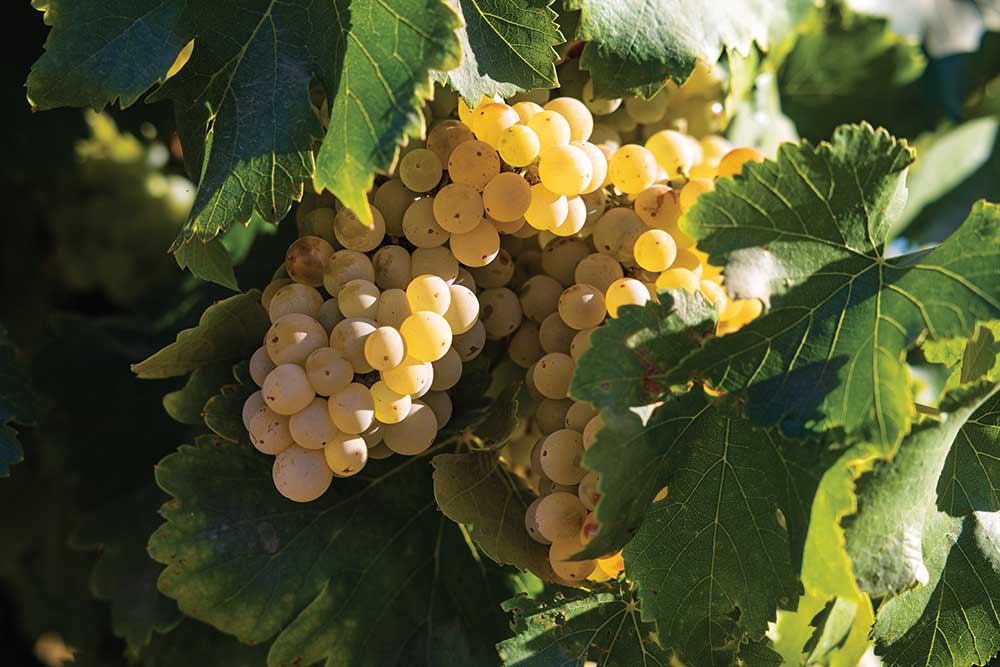
At the heart of this wine renaissance is the Lodi American Viticultural Area (AVA), which boasts approximately 85 wineries, predominantly family-owned, and a sprawling 85,000 acres of vineyards. Lodi accounts for about 20% of California’s wine production and is celebrated not just for its Zinfandel but for cultivating over 130 grape varieties. This diversity is a hallmark of the region’s Mediterranean climate and its versatility regarding grape cultivation.
According to Stuart Spencer, executive director of the Lodi Winegrape Commission, the lack of a dominant grape variety within this region allows wineries to explore interesting varietals that may be economically advantageous without the constraints seen in more established areas like Napa Valley. Such innovation cultivates a uniquely rich experience for both wine connoisseurs and casual visitors.
Affordability and Accessibility
Tourism to Lodi flourishes not only due to its diverse wines but also because of the affordability it offers compared to other wine regions. Wine tasting experiences, hotel accommodations, and wine prices are more accessible, making it a compelling choice for wine tourism in California. Spencer highlights, “A lot of these places have become very expensive; Lodi provides accessibility in cost.”
St. Amant Winery: A Pillar of Lodi Tradition
A prime example of this legacy is St. Amant Winery, where Stuart Spencer, a second-generation winemaker, has dedicated his life to crafting wines that echo his family’s values. Growing up in Stockton, Spencer reflects on his family’s journey that began in 1974 with their first Zinfandel harvest and the inception of their retail establishment, Fine Wines of Stockton.
St. Amant Winery distinguishes itself by focusing on Iberian varietals, including Tempranillo, Verdelho, and Port wines. This focus aids in carving a niche within the competitive landscape of over hundreds of wineries, ensuring that St. Amant stands out among the crowd.
A Commitment to Craft
On 43 acres of vineyards, St. Amant now cultivates nine different grape varietals while also sourcing from about 20 acres owned by local farmers. The winery, which blends tradition with modern sustainable practices, sees winemaking as a joy, bringing happiness to customers with each bottle.
“My commitment extends beyond just winemaking; it’s about preserving the family legacy and making sure St. Amant progresses,” Spencer articulates. Compounded by a sense of duty to continue his family’s pioneering spirit in the world of wine, he is dedicated to ensuring that the legacy of St. Amant thrives.
Lodi AVA: Quick Statistics
For a quick overview, here are some vital statistics regarding the Lodi AVA:
- 85 Wineries in the region
- 85,000 Acres of vineyards
- 75% of wineries are family-owned
- 130 Types of grape varieties
Discovering Lodi’s Wine Experience
The combination of a rich historical tapestry, diverse grape cultivation, familial dedication, and affordability make Lodi a remarkable destination for wine lovers. Whether you’re tasting a fruit-forward Zinfandel at St. Amant Winery or exploring the expansive vineyards, Lodi’s wine landscape offers a profound connection to the craft and culture of winemaking in California.
Experience the robust essence of San Joaquin County for yourself—it’s a journey worth savoring.
For more information on the Lodi Wine Region, visit Livability’s guide.
