

California Correctional Institution Hosts Groundbreaking Networking Event
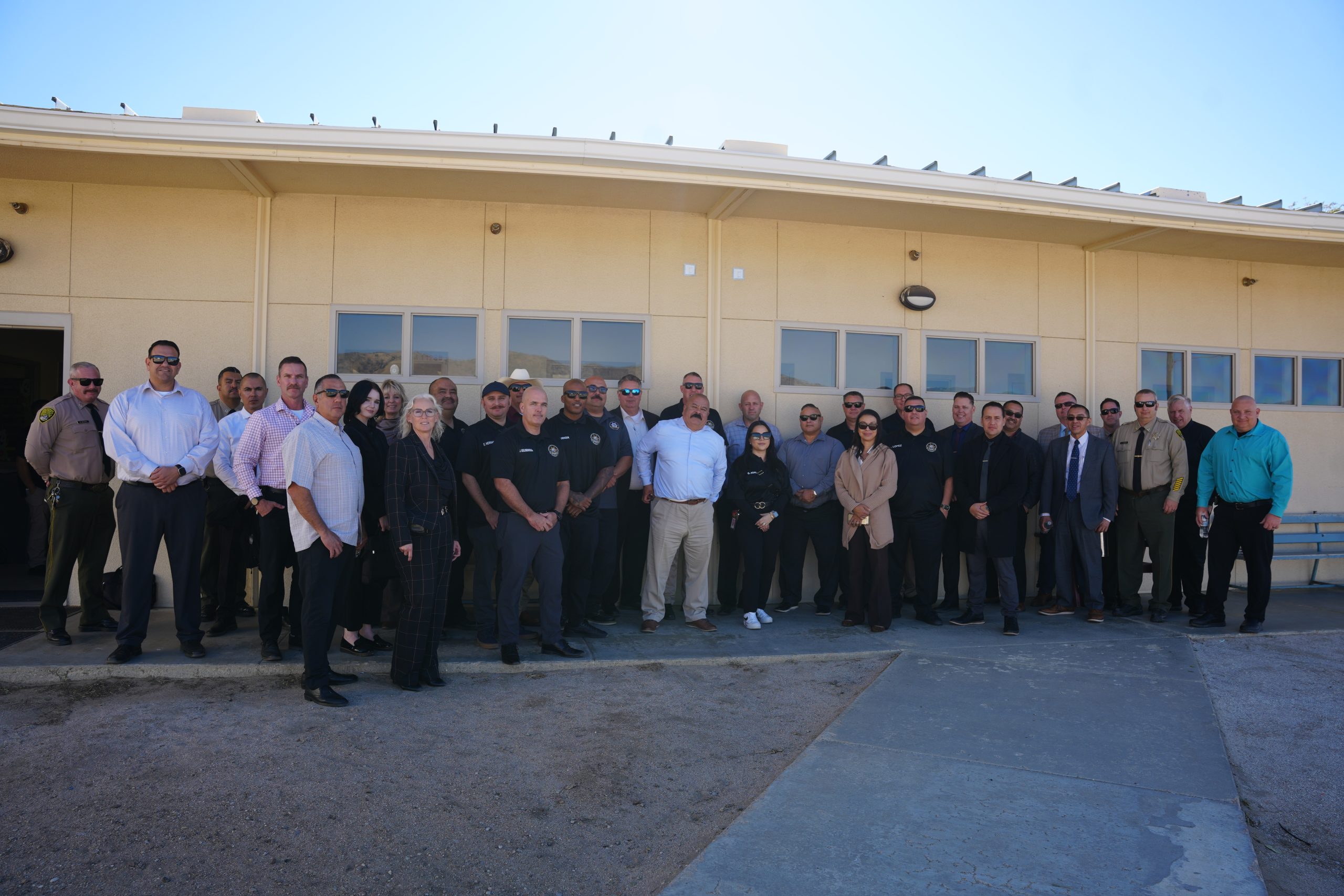
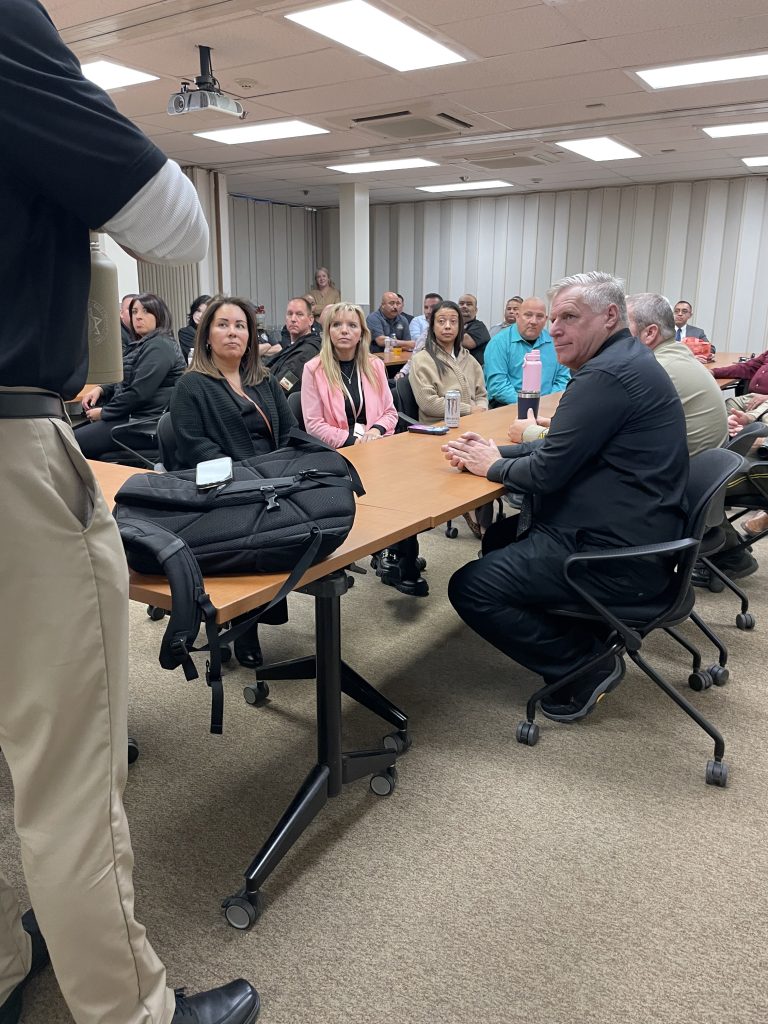
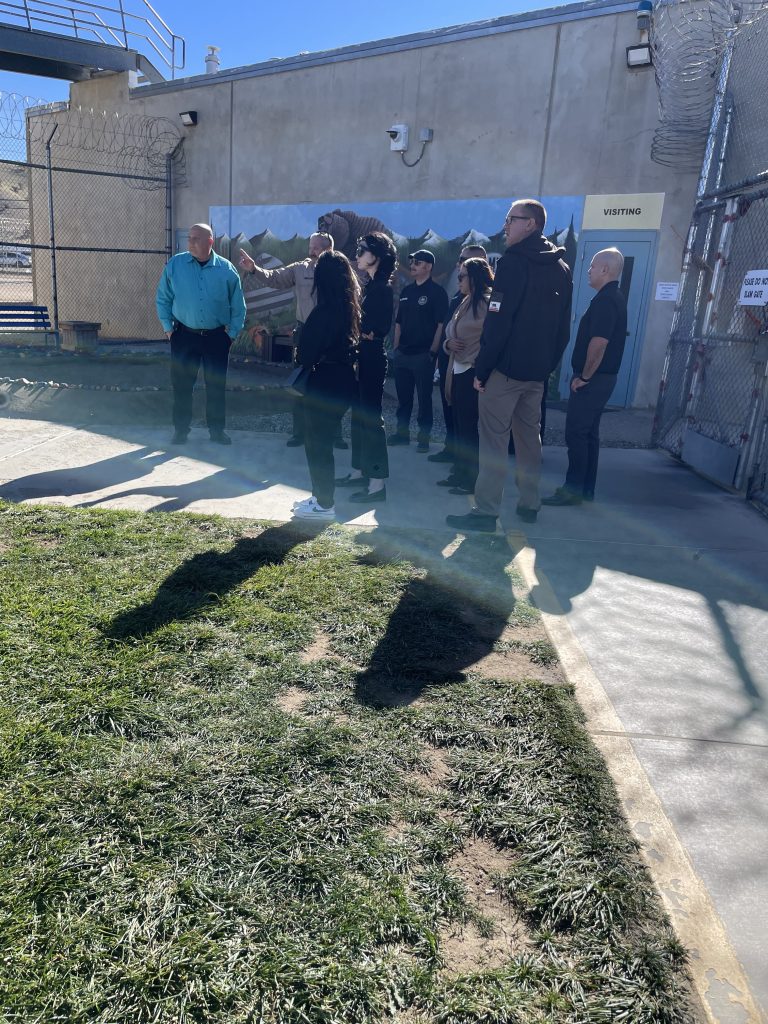
The California Correctional Institution (CCI) recently made waves in the corrections community by hosting an unprecedented networking event for wardens, chief deputy wardens, and staff from Region IV. This event not only served as an opportunity for attendees to tour CCI’s facilities but also as a platform for sharing insights and best practices in the evolving corrections landscape.
Innovations in Corrections
As the corrections industry continues to adapt and innovate, events like this are instrumental in shaping its future. Participants were given the chance to explore CCI’s unique programs and initiatives aimed at enhancing rehabilitation and public safety. This hands-on experience showcased CCI’s commitment to excellence and highlighted its pivotal role within the California Department of Corrections and Rehabilitation (CDCR).
A Hub for Collaboration
The significance of this networking event cannot be overstated. It marks an important milestone in CCI’s history, solidifying the institution’s position as a hub of innovation and collaboration in corrections. With a strong focus on rehabilitation, the visit provided attendees with fresh perspectives on effective practices within the corrections system.
Acknowledgments
CCI expressed its gratitude towards several contributors who made this event possible. Special thanks were given to Region IV Associate Director (A) Travis Pennington and to the dedicated staff from various correctional facilities, including:
- Richard J. Donovan Correctional Facility (RJD)
- California Rehabilitation Center (CRC)
- Ironwood State Prison (ISP)
- Centinela State Prison (CEN)
- Calipatria State Prison (CAL)
- California Institution for Men (CIM)
- California State Prison-Los Angeles County (LAC)
Looking Ahead
Events such as this not only enhance inter-agency communication but also set the groundwork for future advancements in correctional practices. Through sharing knowledge and insights, the corrections community can better address the challenges facing modern rehabilitation efforts, ultimately contributing to a safer society.
For those interested in exploring more about opportunities in the corrections field, additional resources can be found through the California Department of Corrections and Rehabilitation, where updates on jobs and training can be accessed.
Conclusion
The successful networking event at CCI exemplifies the dedication of California’s correctional institutions to foster collaboration and innovation within the corrections system. As these facilities adapt to new challenges, continued partnerships will play a vital role in enhancing the overall efficiency and effectiveness of rehabilitation programs across the state.
